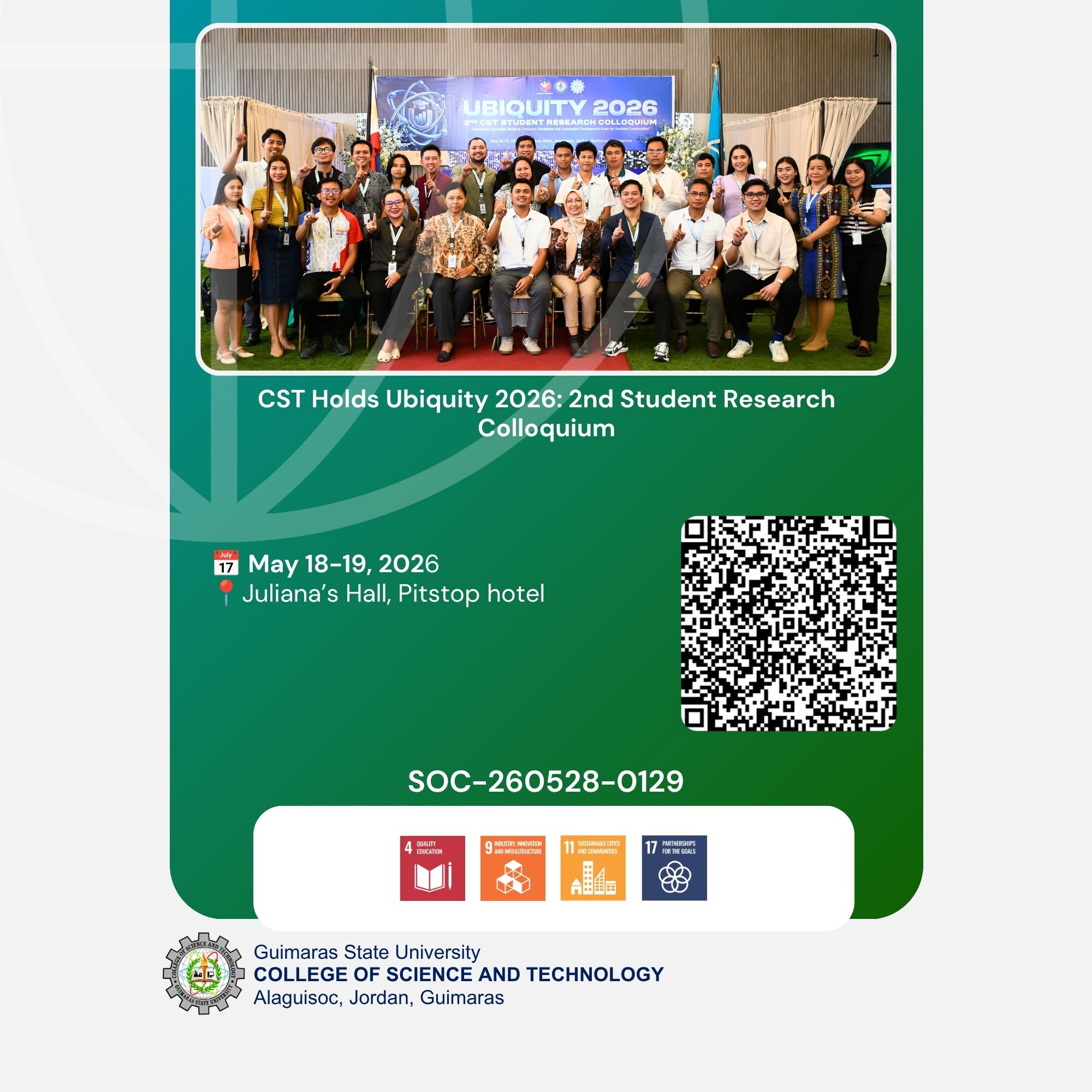
May 18-19, 2026 | Juliana’s Hall, Pitstop Hotel, Guimaras
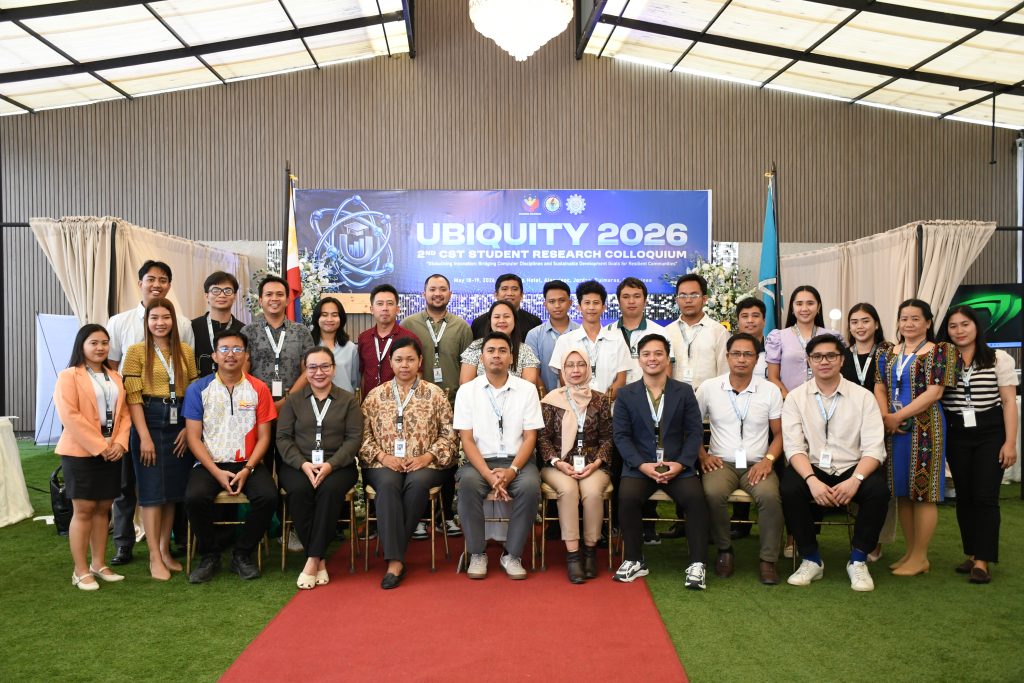
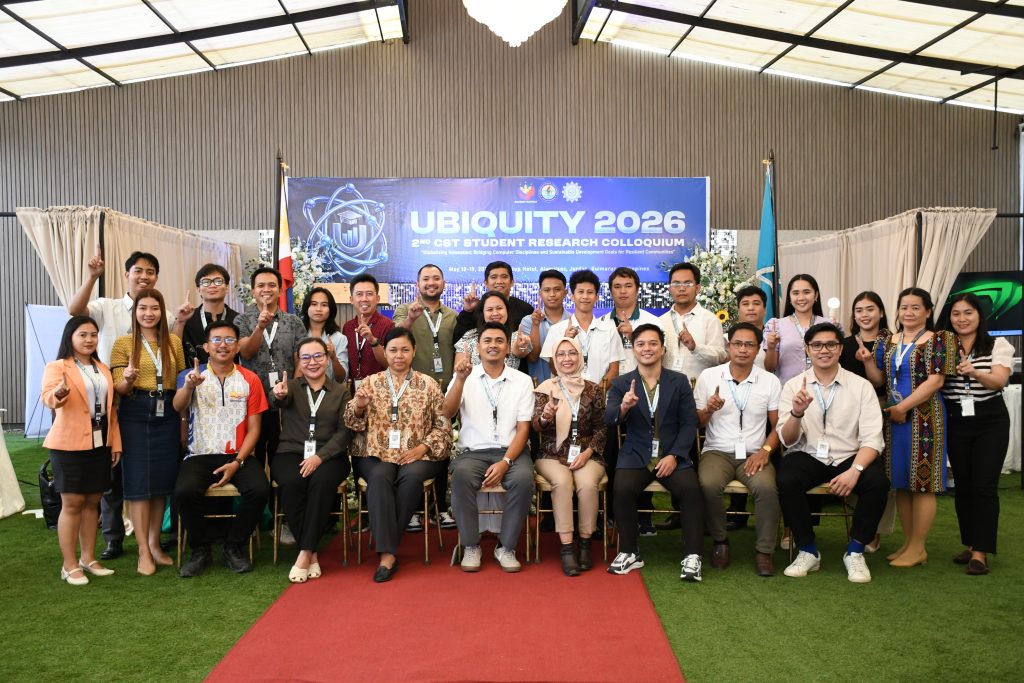
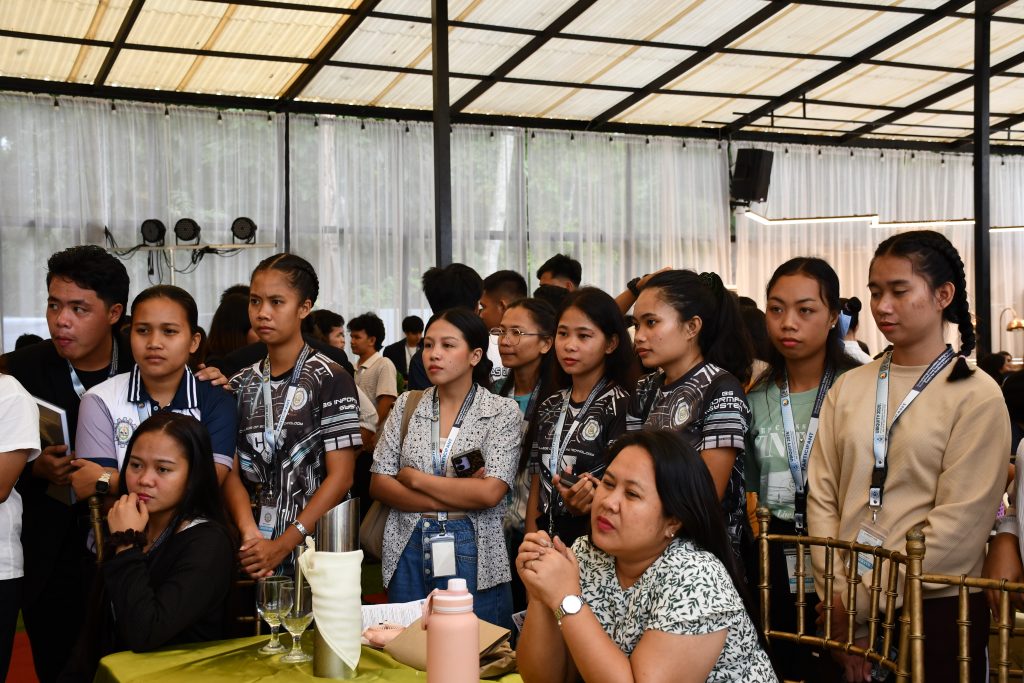
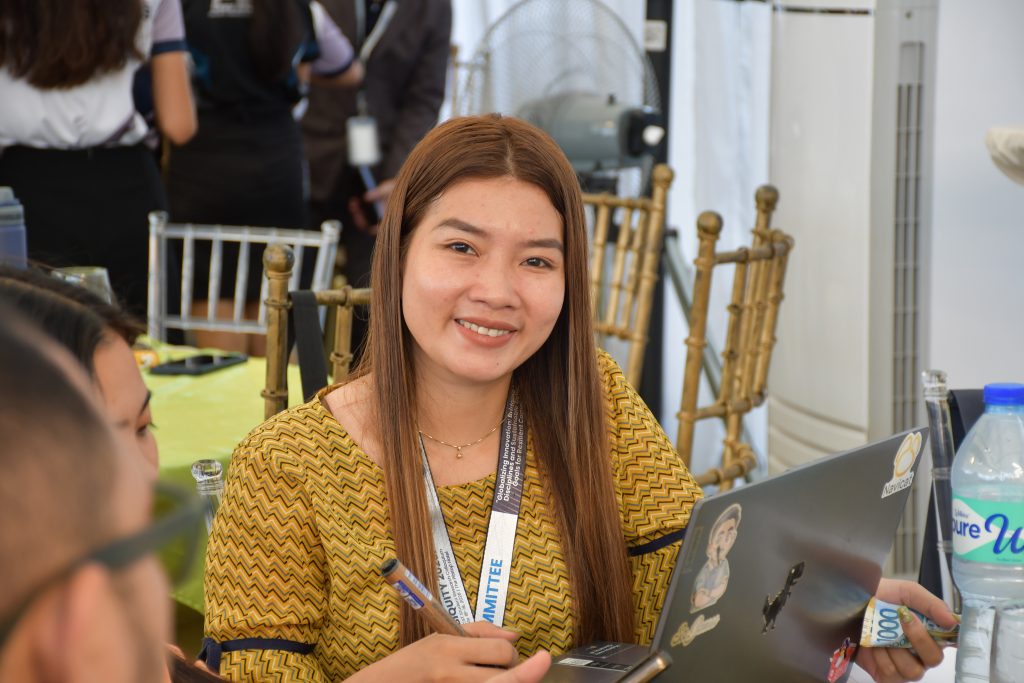
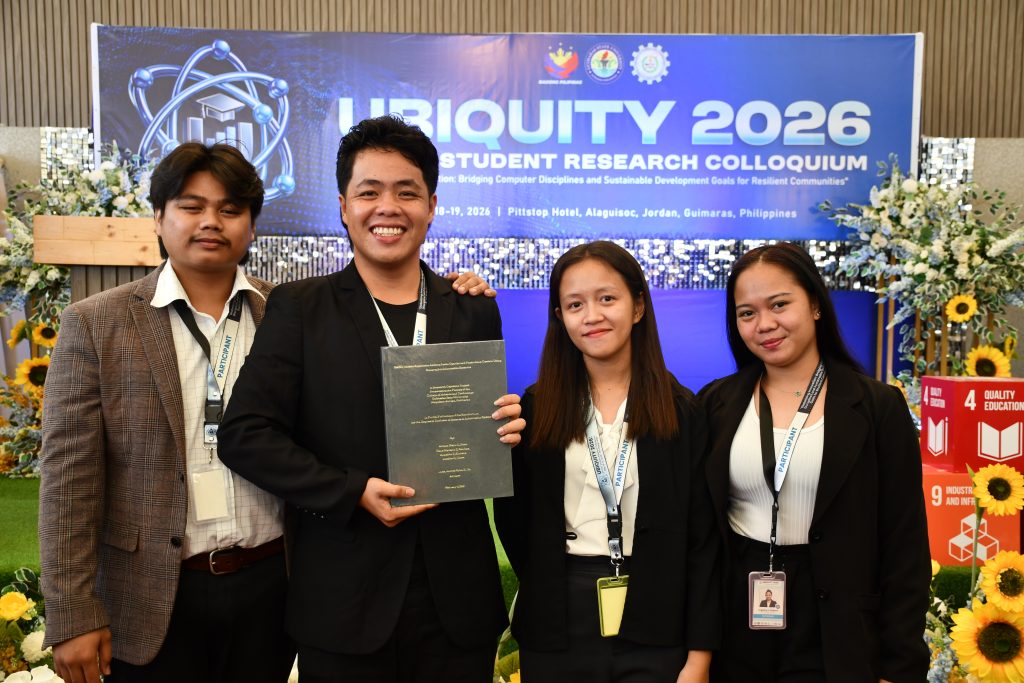
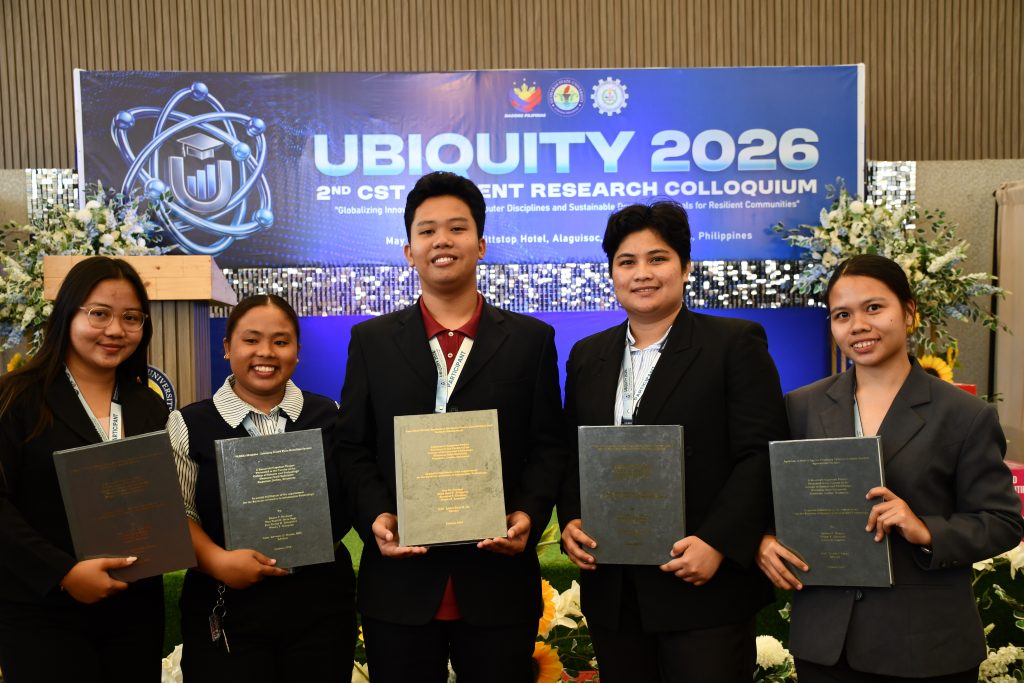
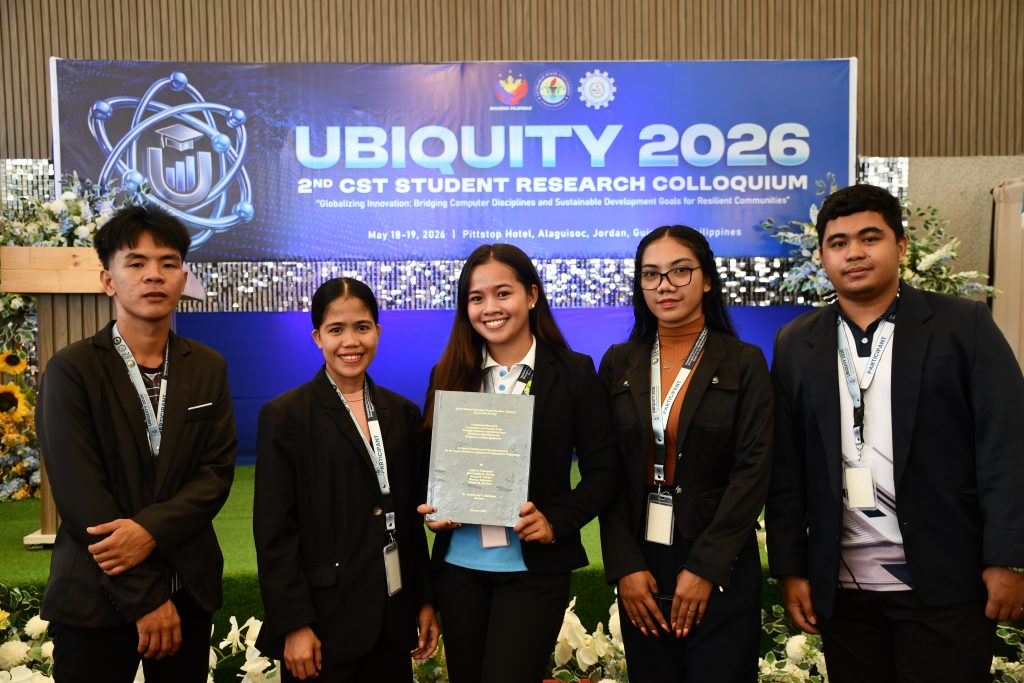
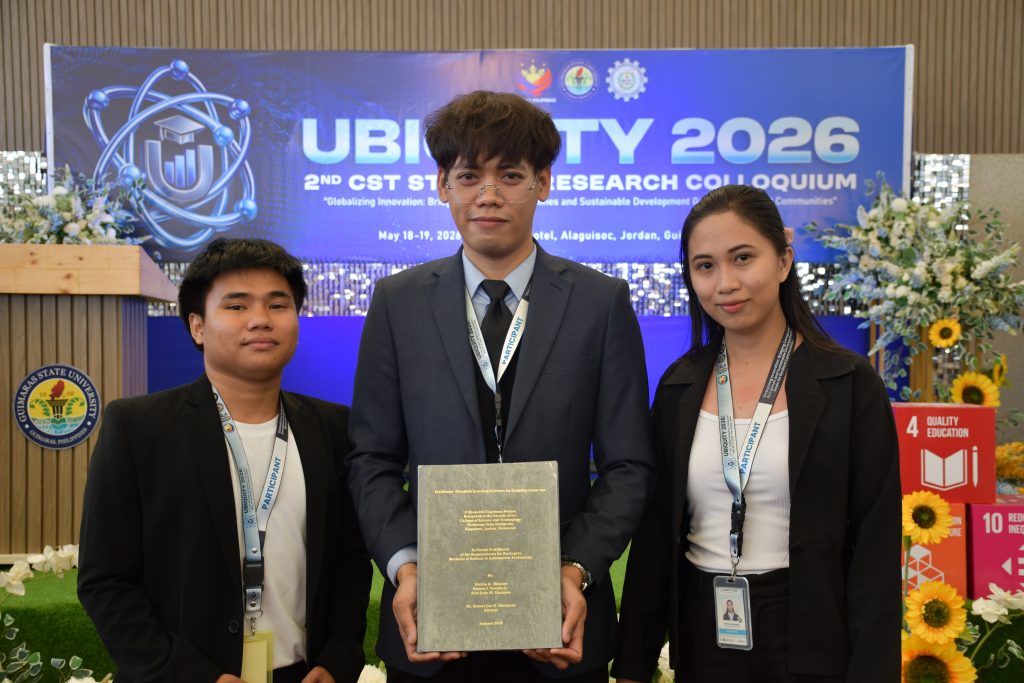
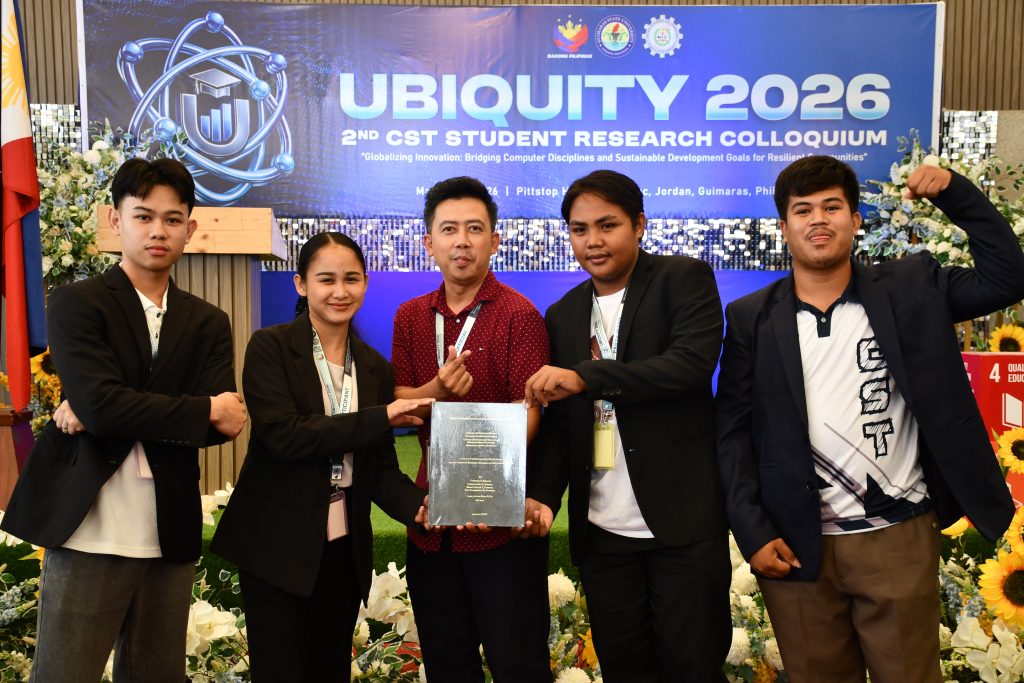
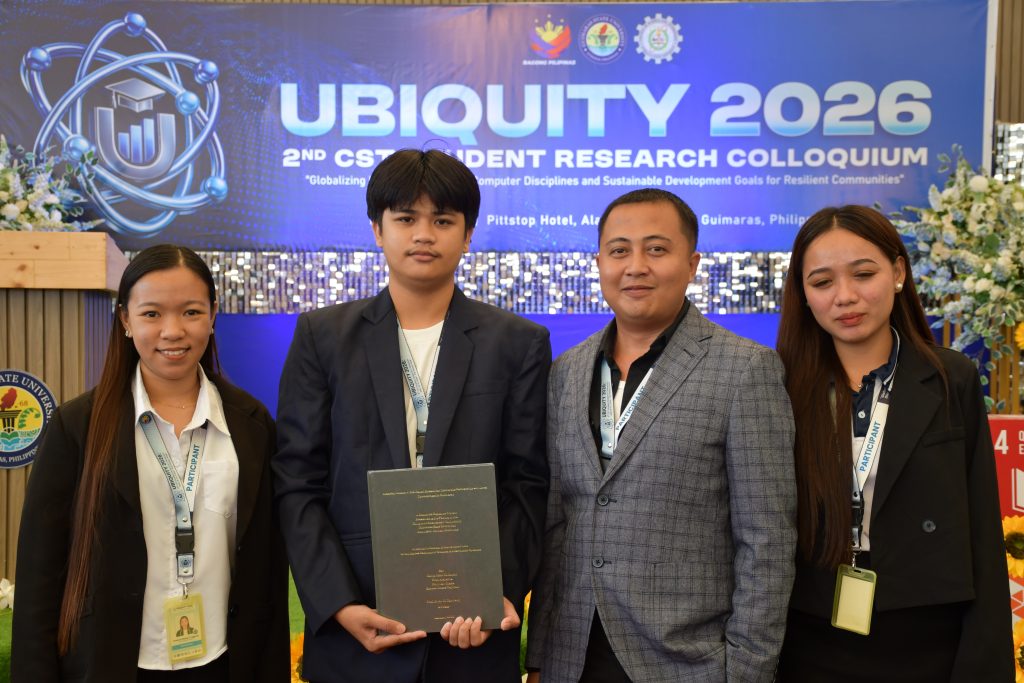
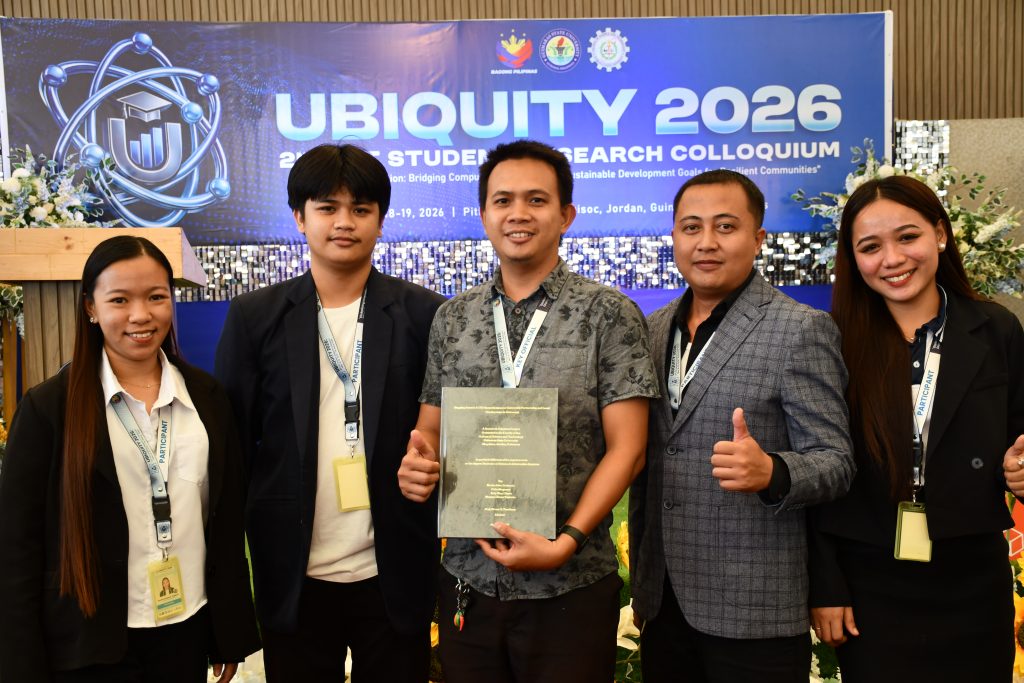
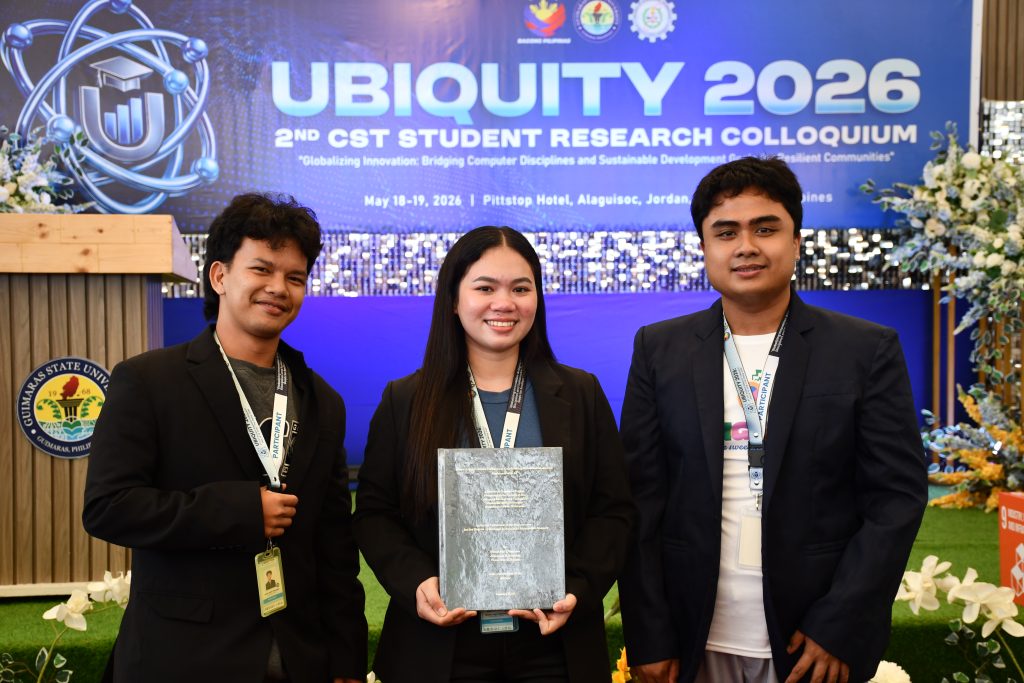
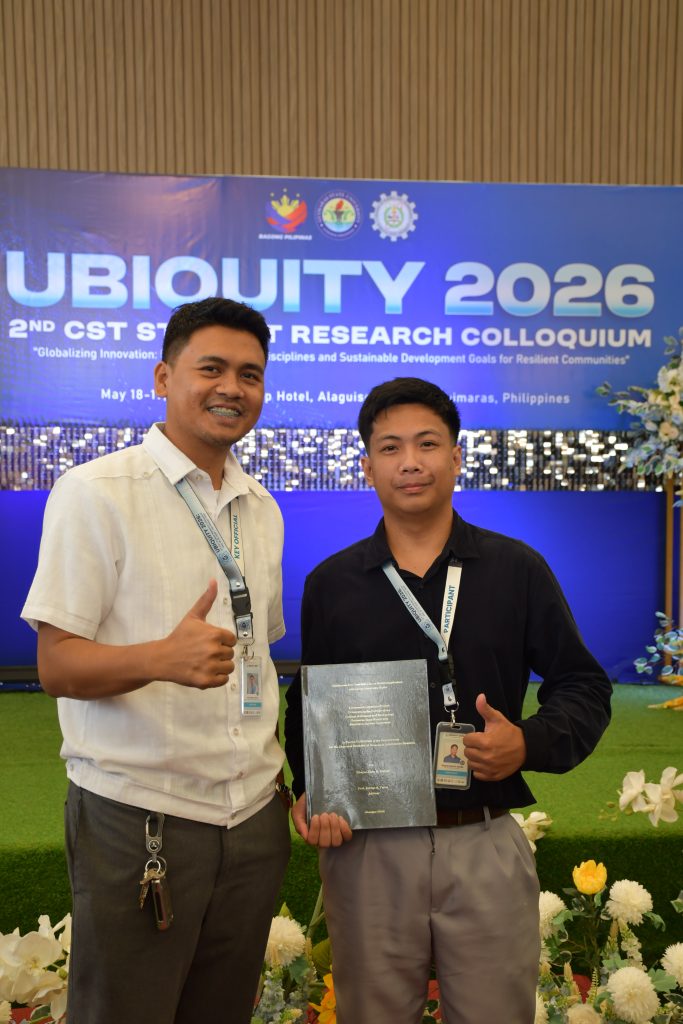
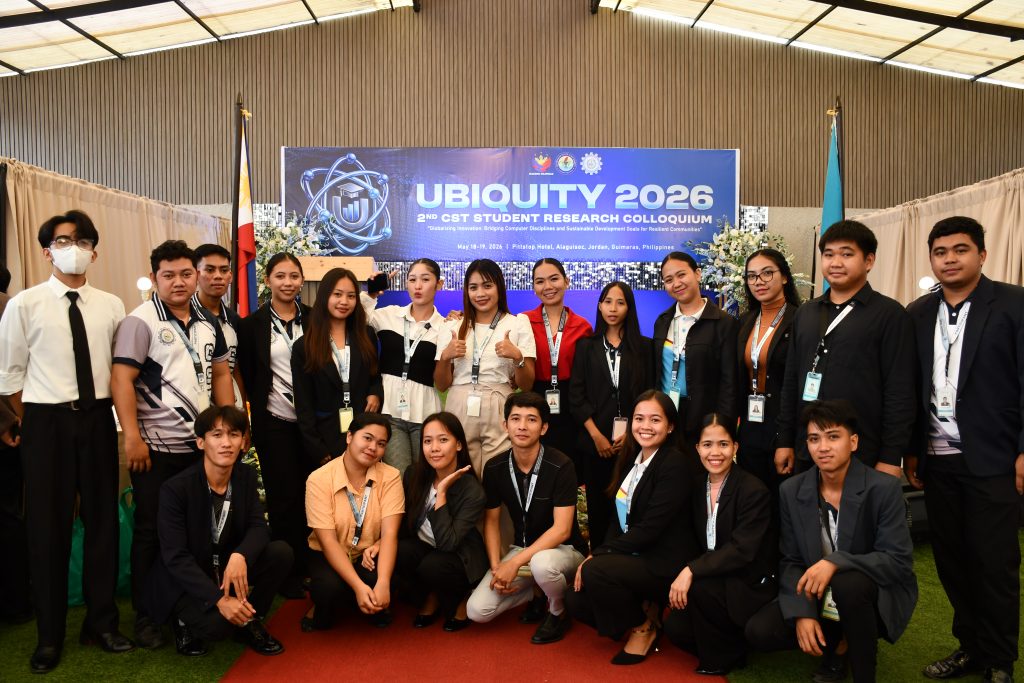
The College of Science and Technology successfully conducted the Ubiquity 2026: 2nd CST Student Research Colloquium on May 18–19, 2026 at Juliana’s Hall, Pitstop Hotel. Anchored on the theme, “Globalizing Innovation: Bridging Computer Disciplines and Sustainable Development Goals for Resilient Communities,” the two-day event gathered brave and aspiring 4th Year CST students who accepted the challenge of presenting their research studies before distinguished evaluators, guests, faculty members, and fellow researchers.
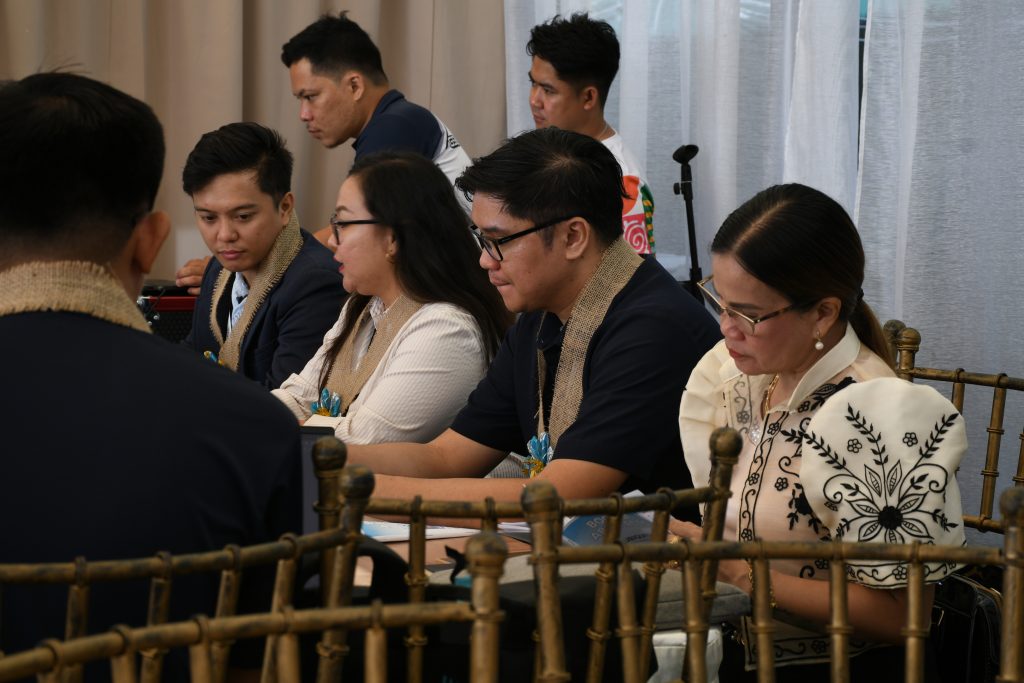
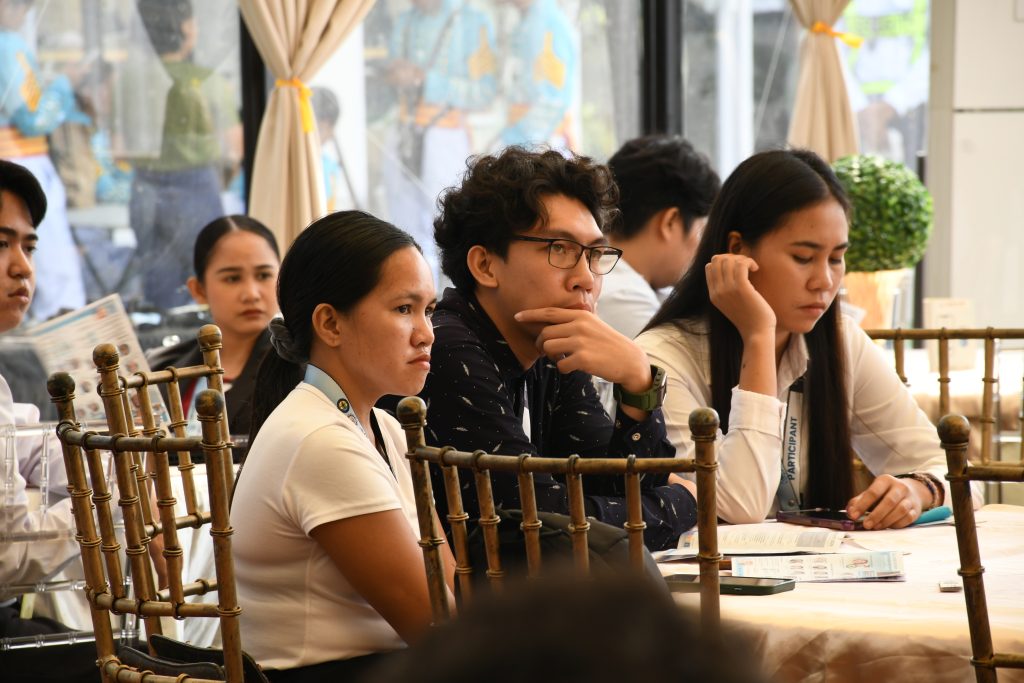
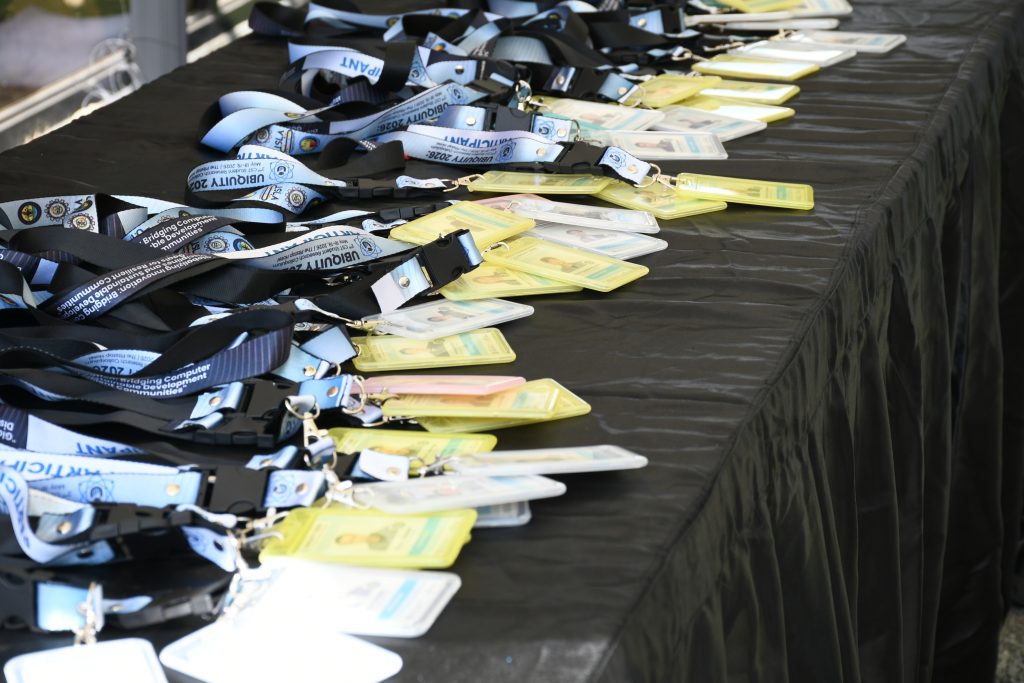
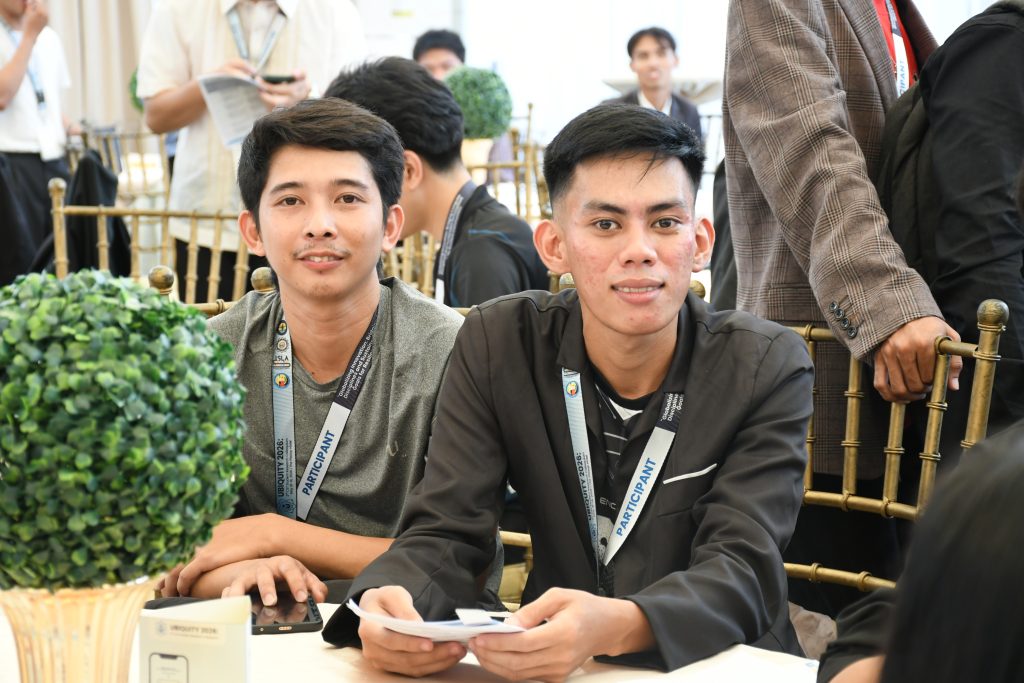
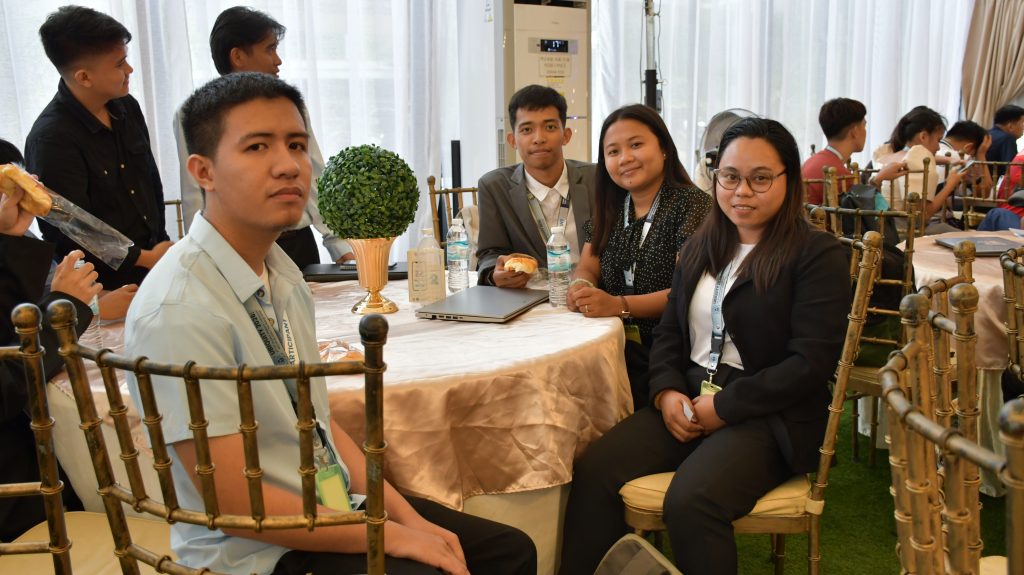
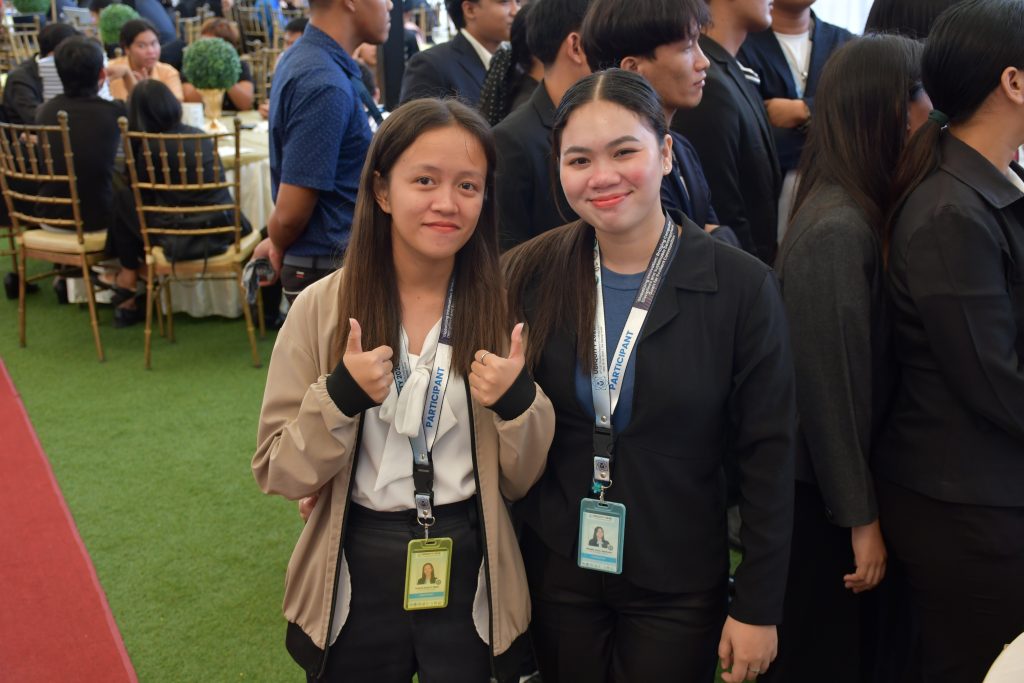
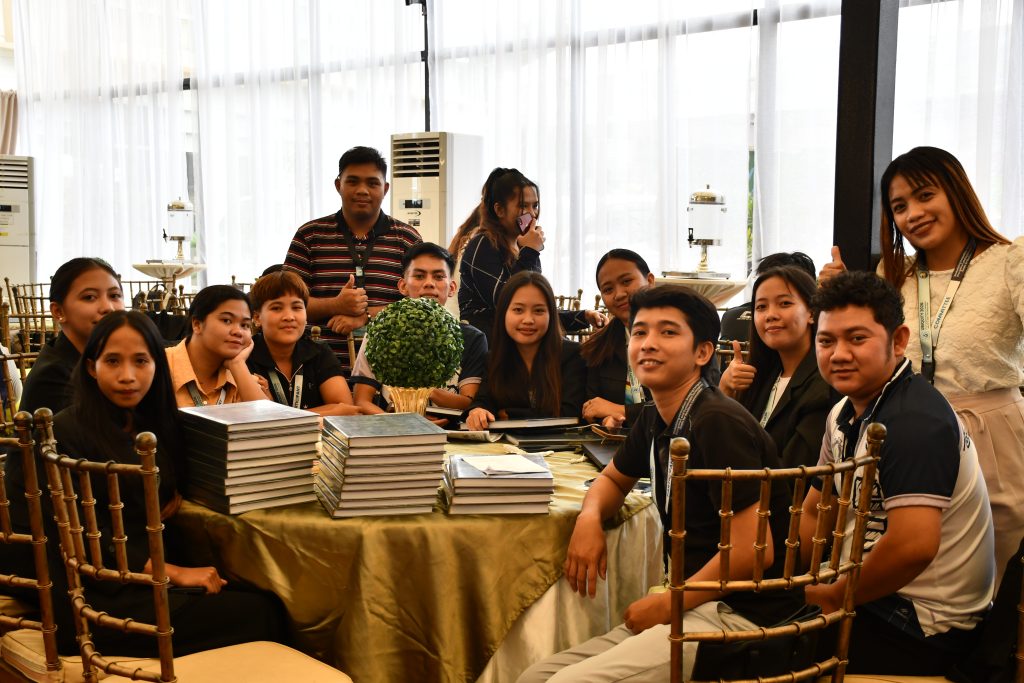
The colloquium served as a platform for students to showcase their innovative studies, receive constructive feedback from experts, and strengthen the role of research in addressing real-world challenges and sustainable development goals.
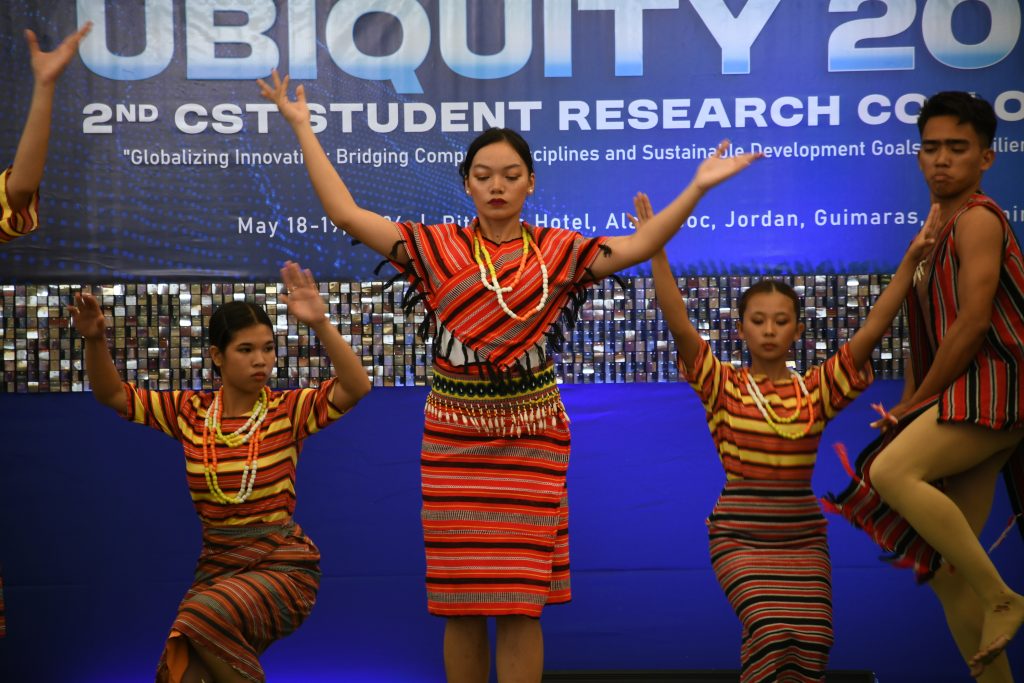
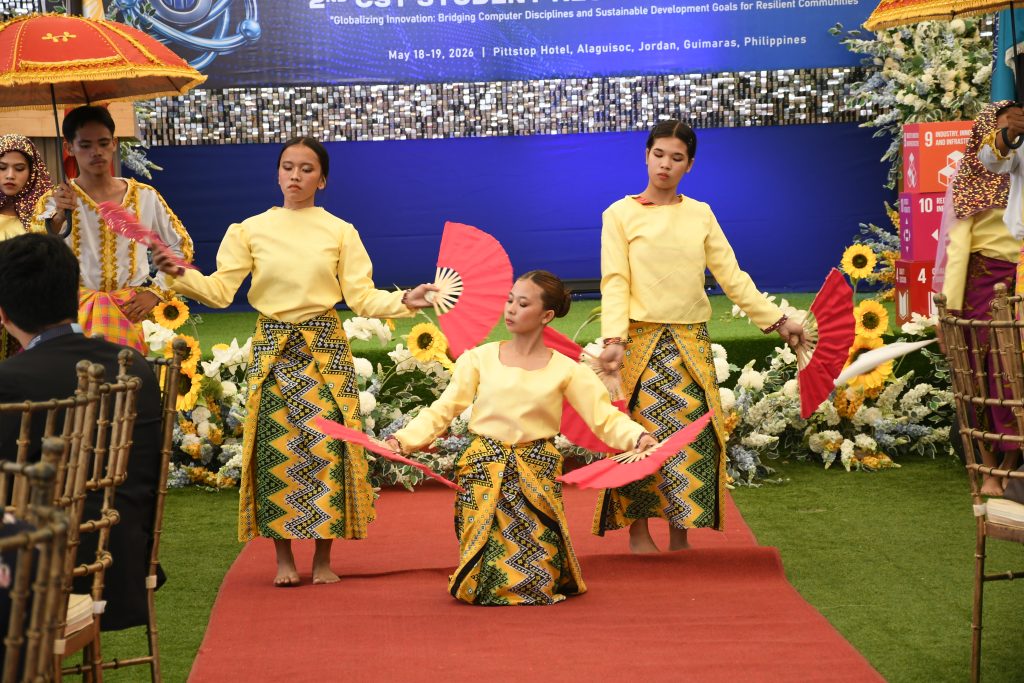
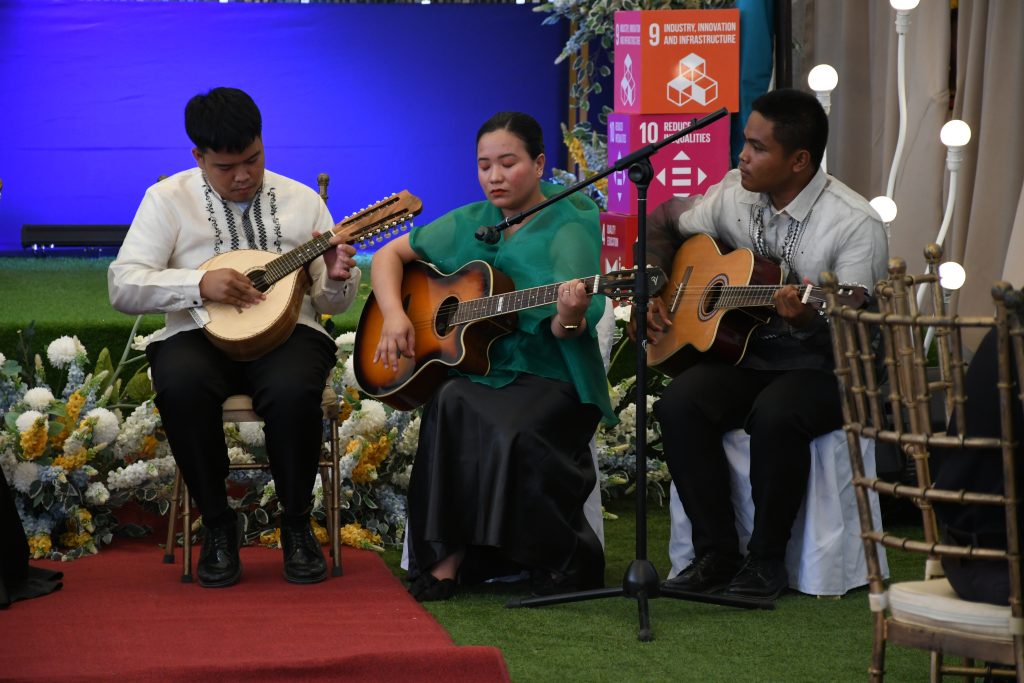
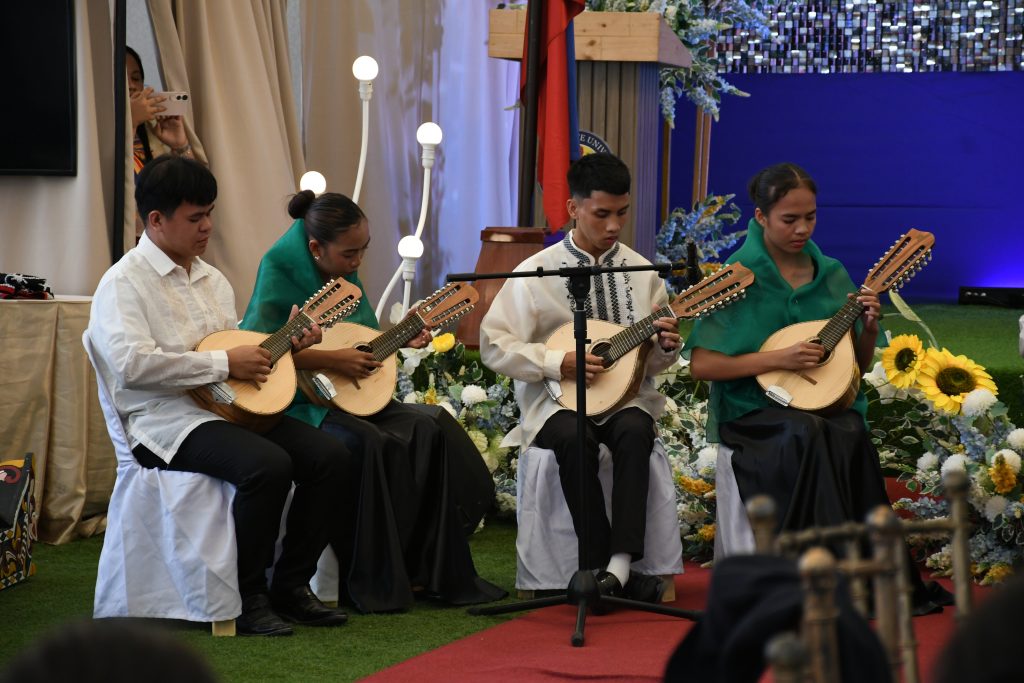
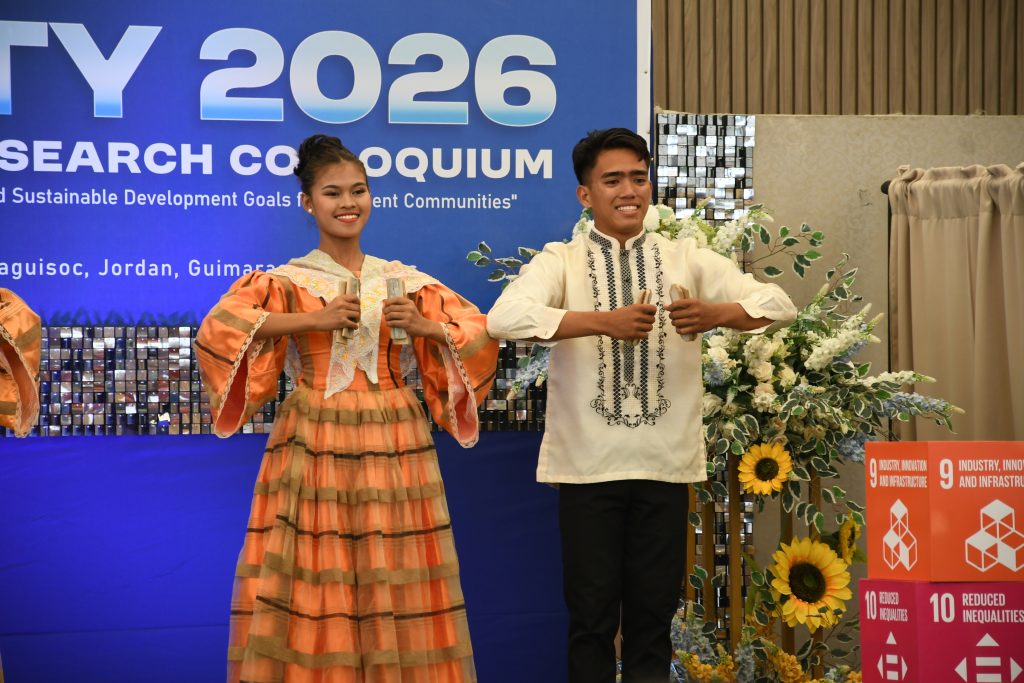
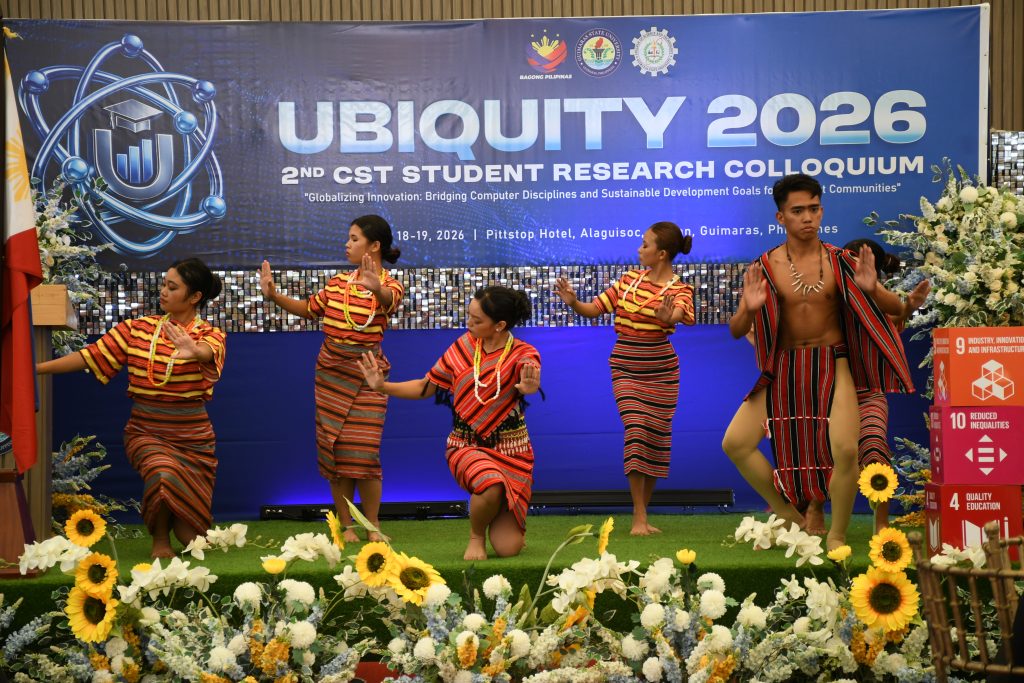
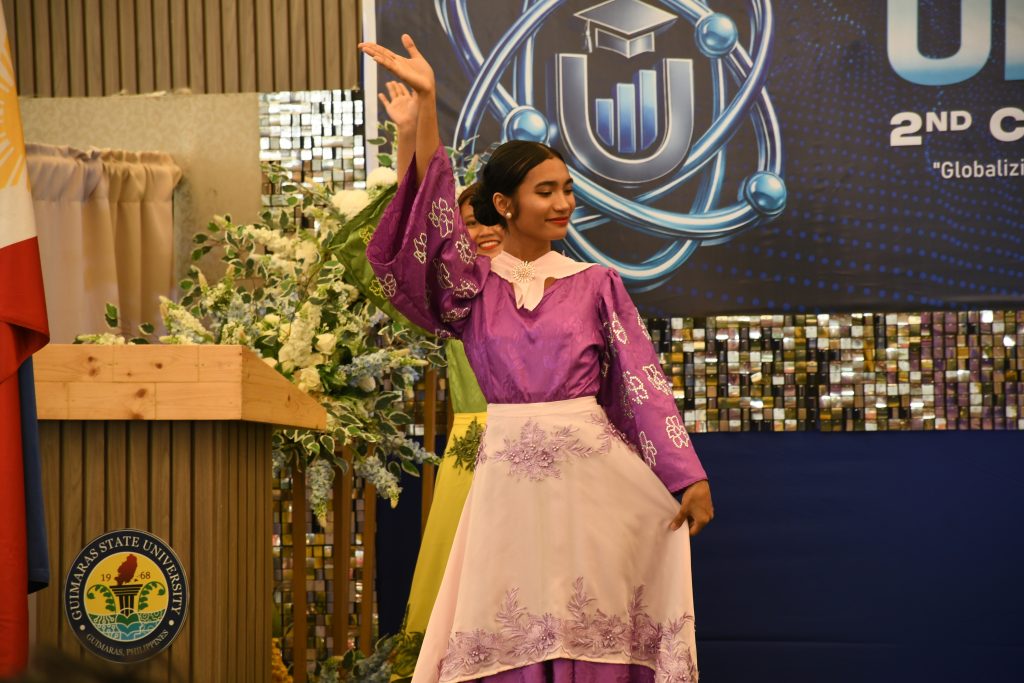
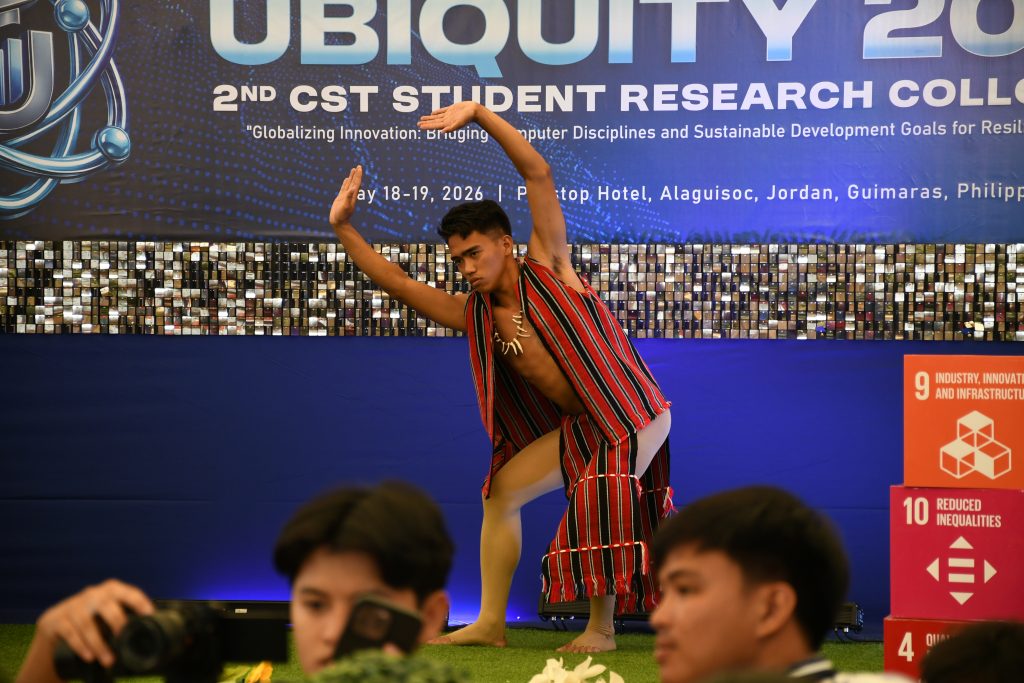
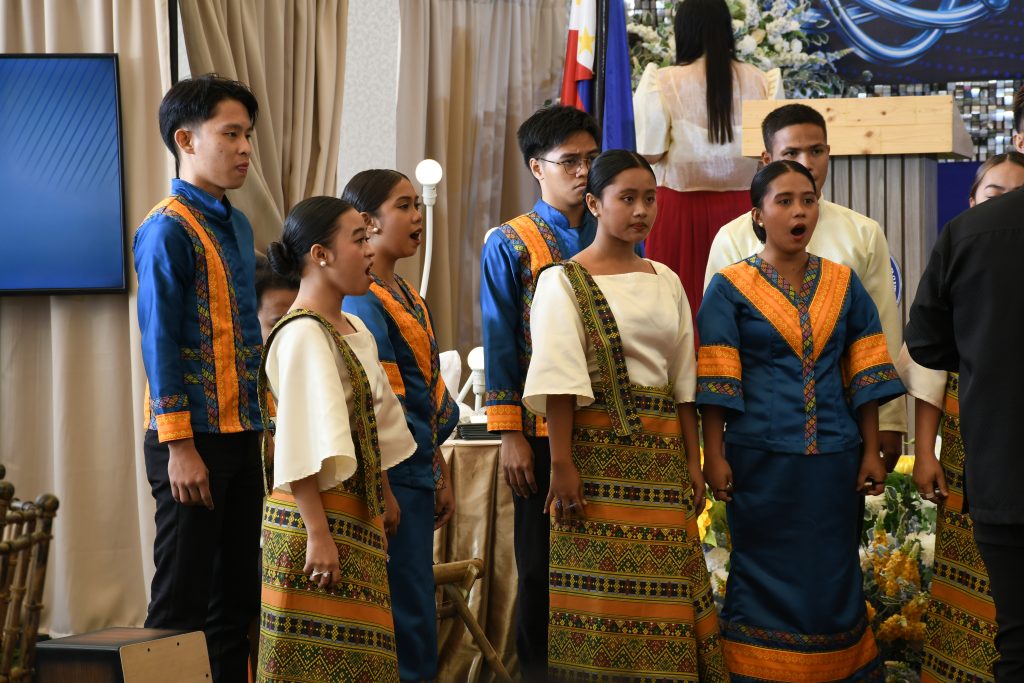
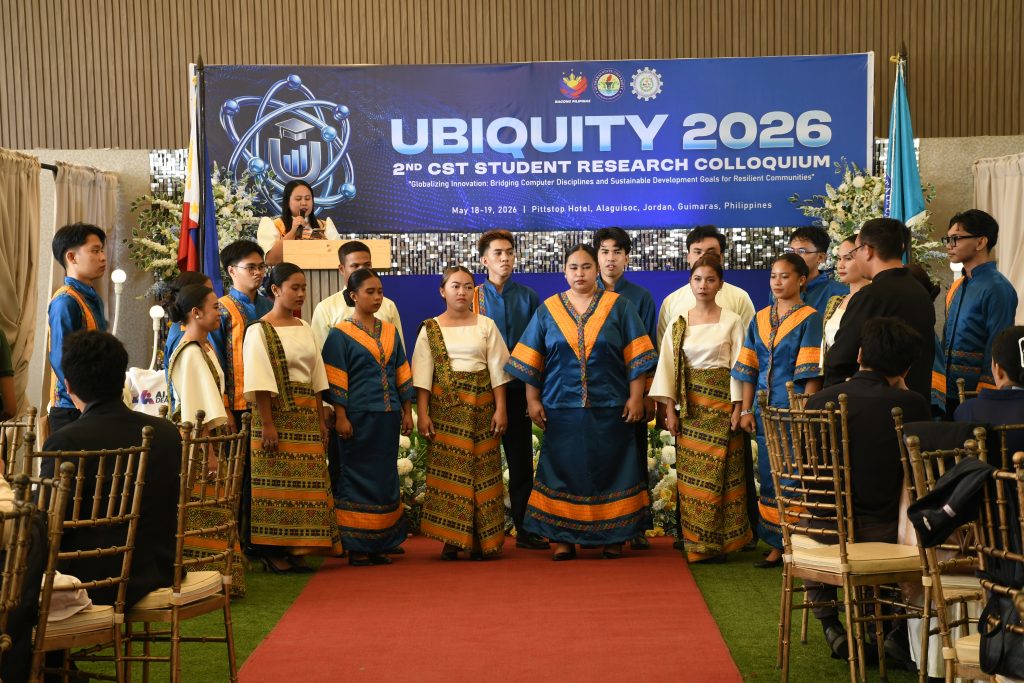
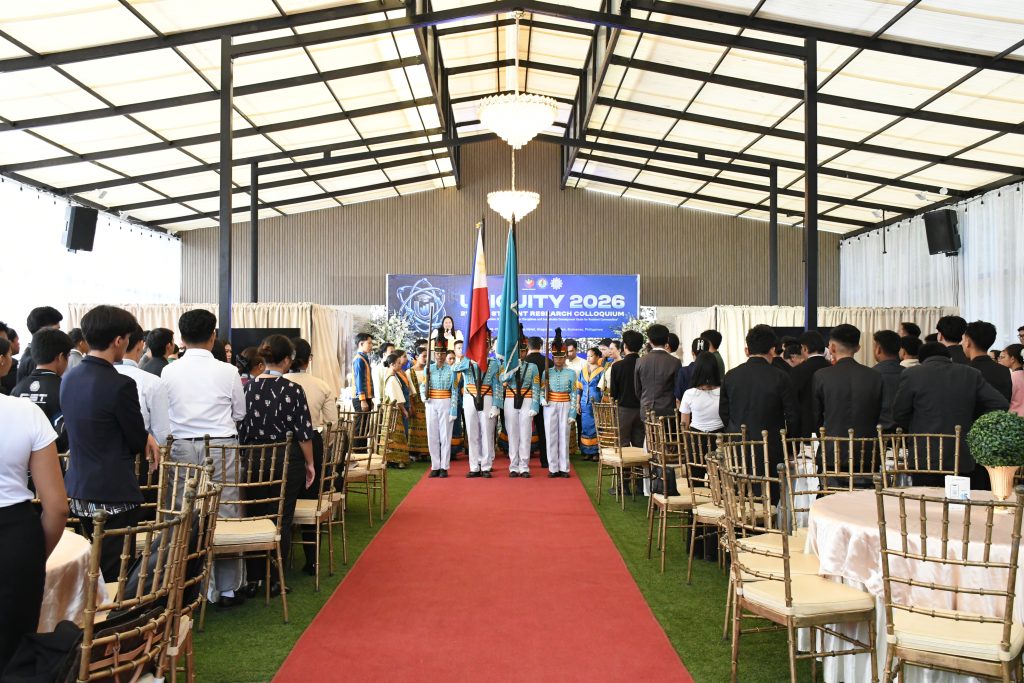
The opening program for Day 1 was graced by the vibrant performances of the Taga Isla Dance Company and the Dalawidaw Chorale, who warmly welcomed the guests through Philippine traditional songs and dances that highlighted Filipino culture and artistry.
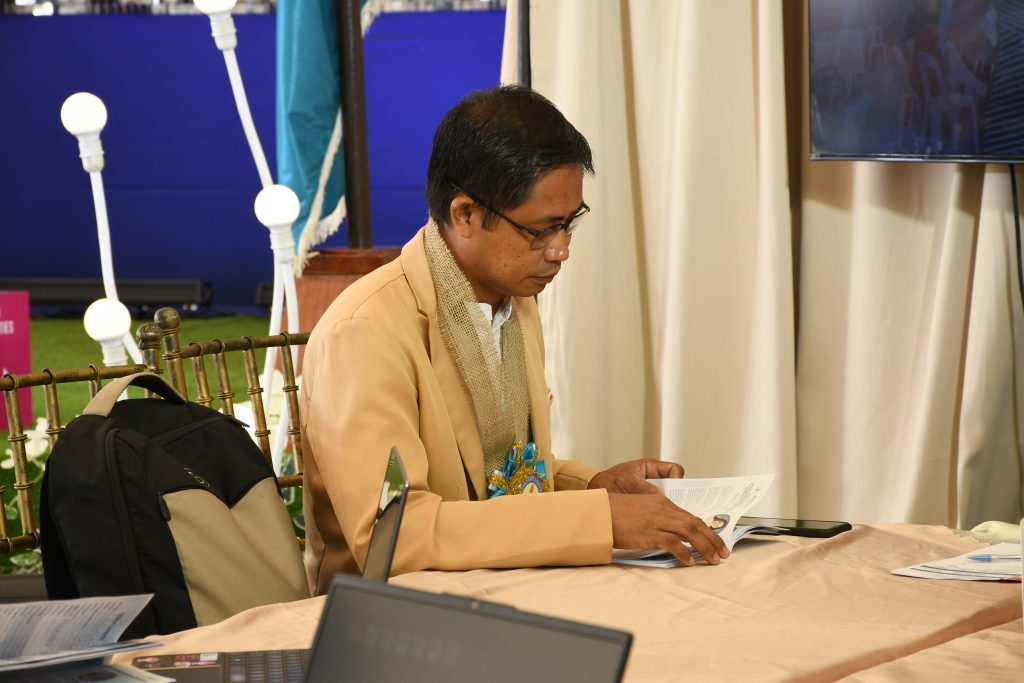
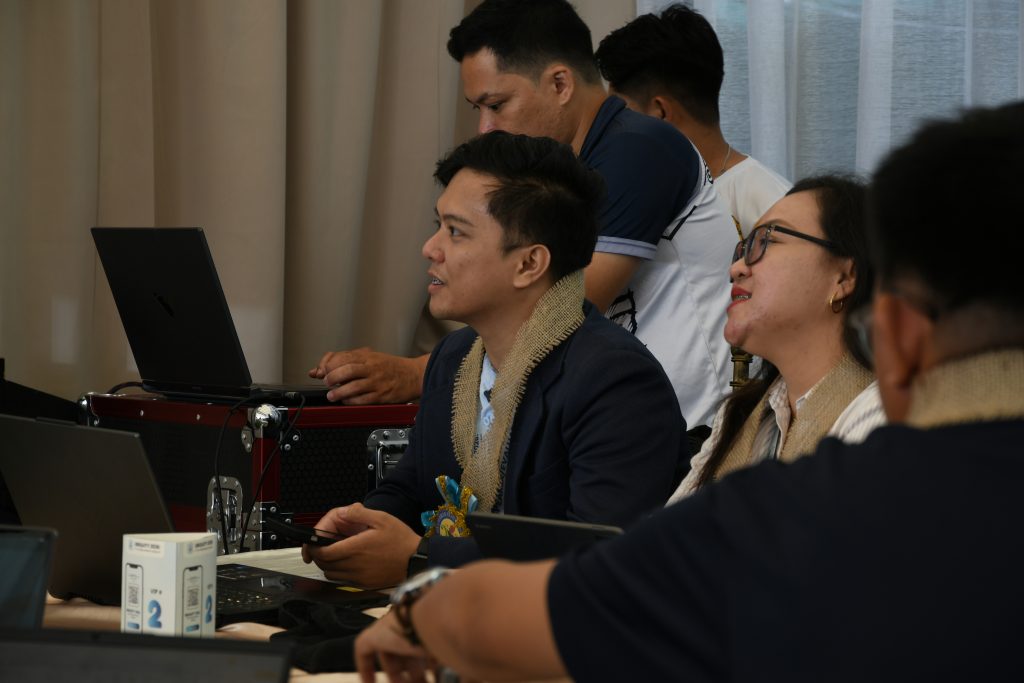
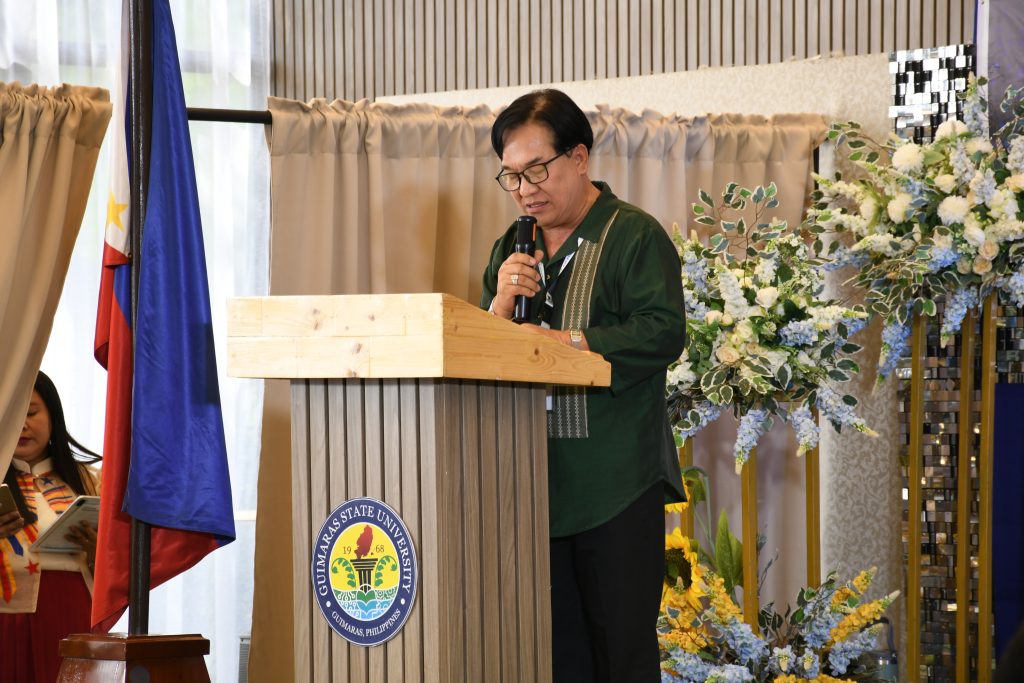
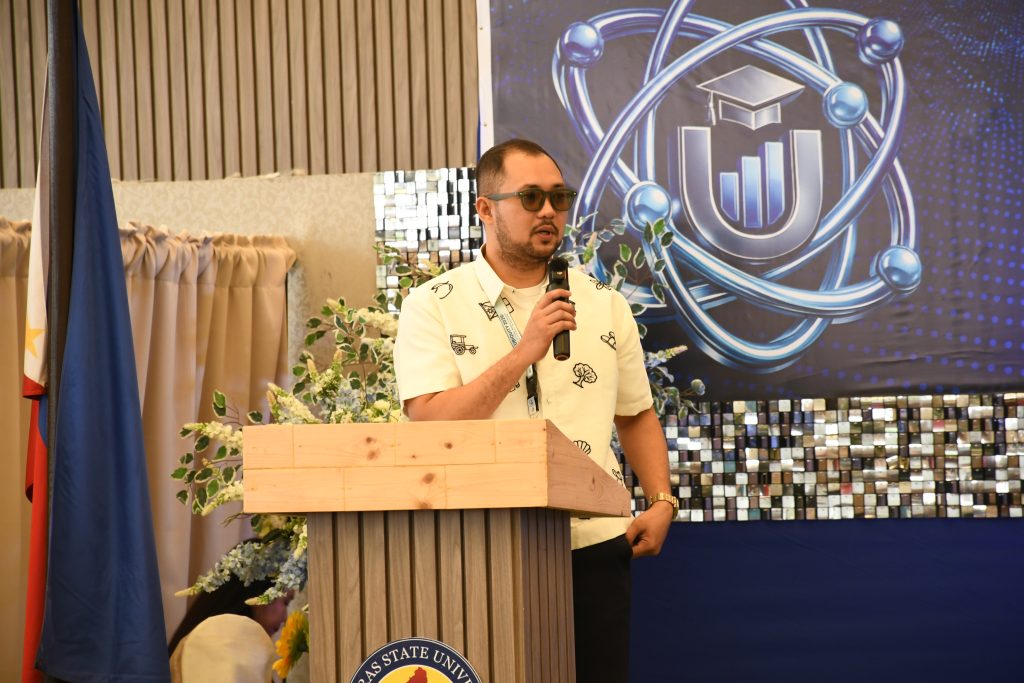
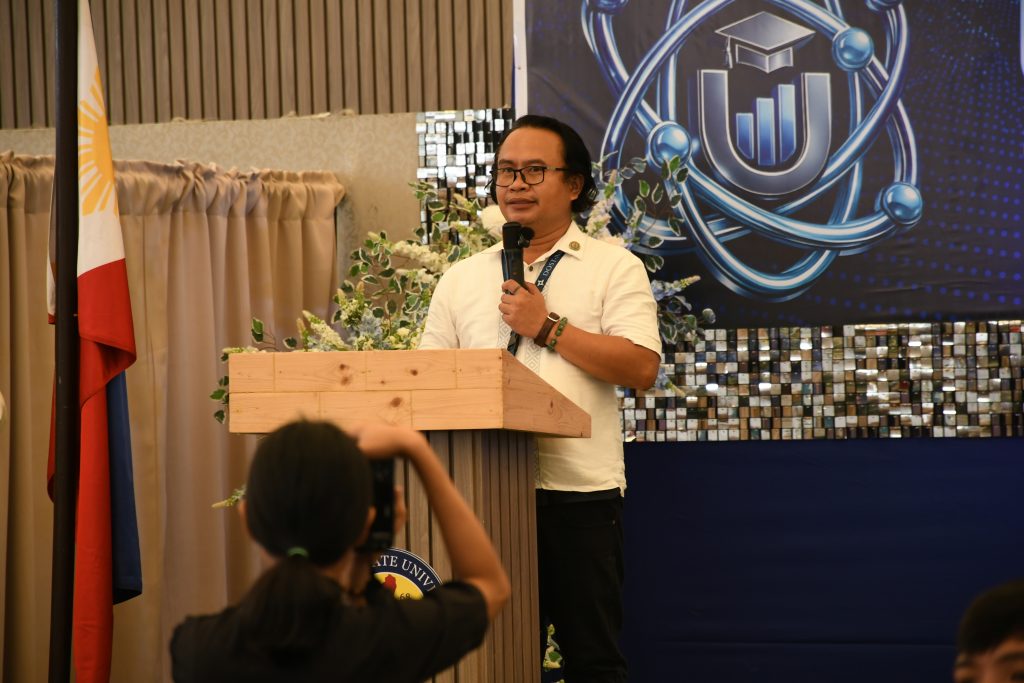
The event featured a lineup of esteemed keynote speakers from different institutions and organizations who shared their expertise and insights in the fields of technology, innovation, sustainability, and community development.
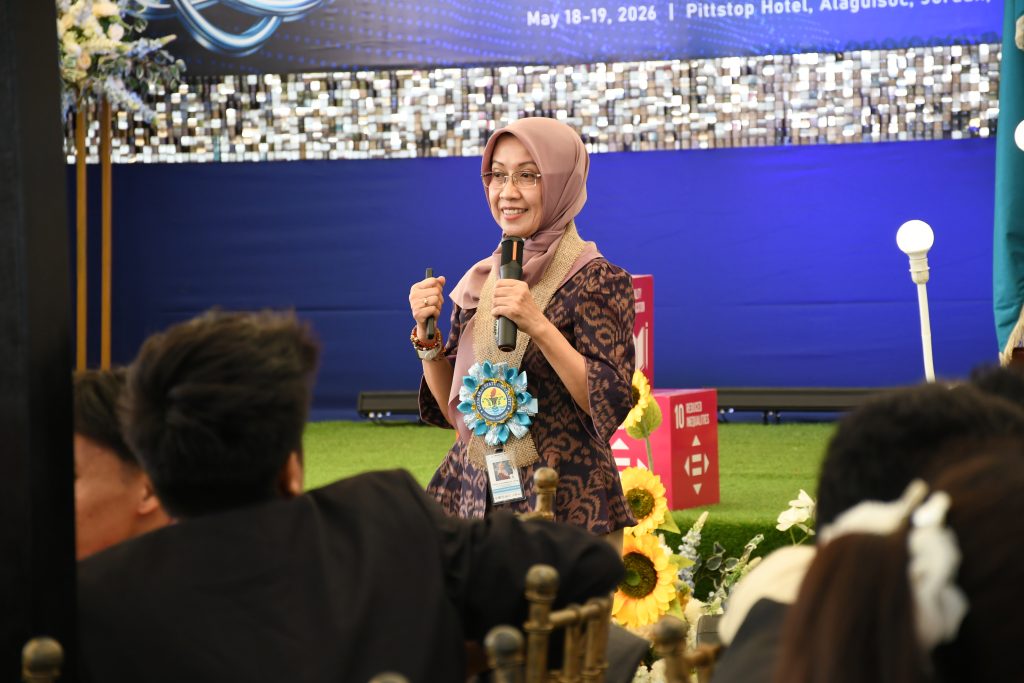
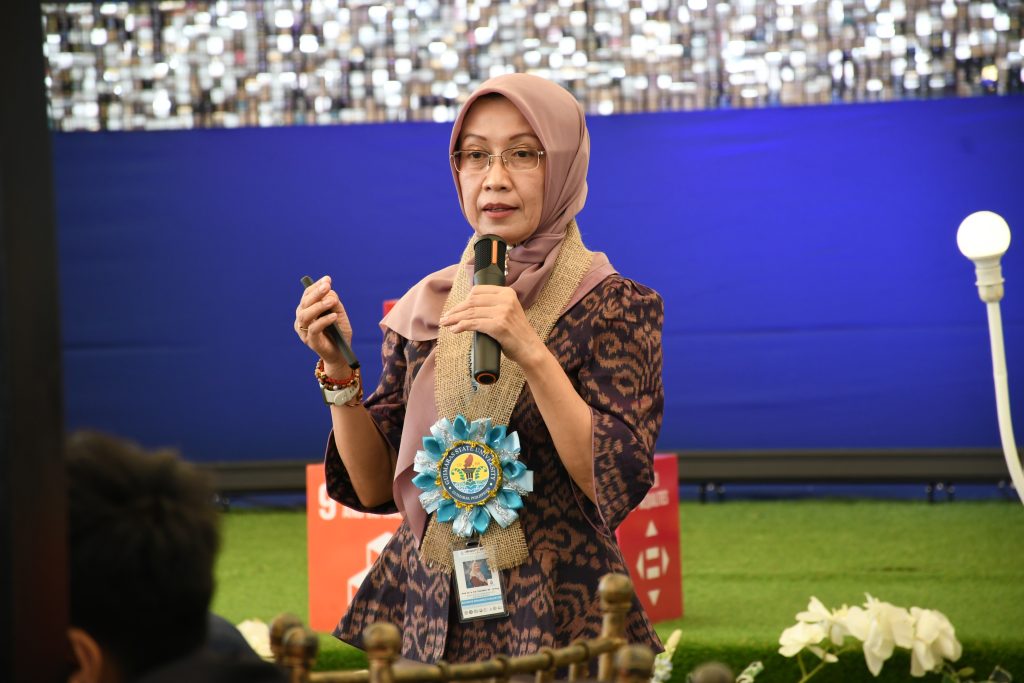
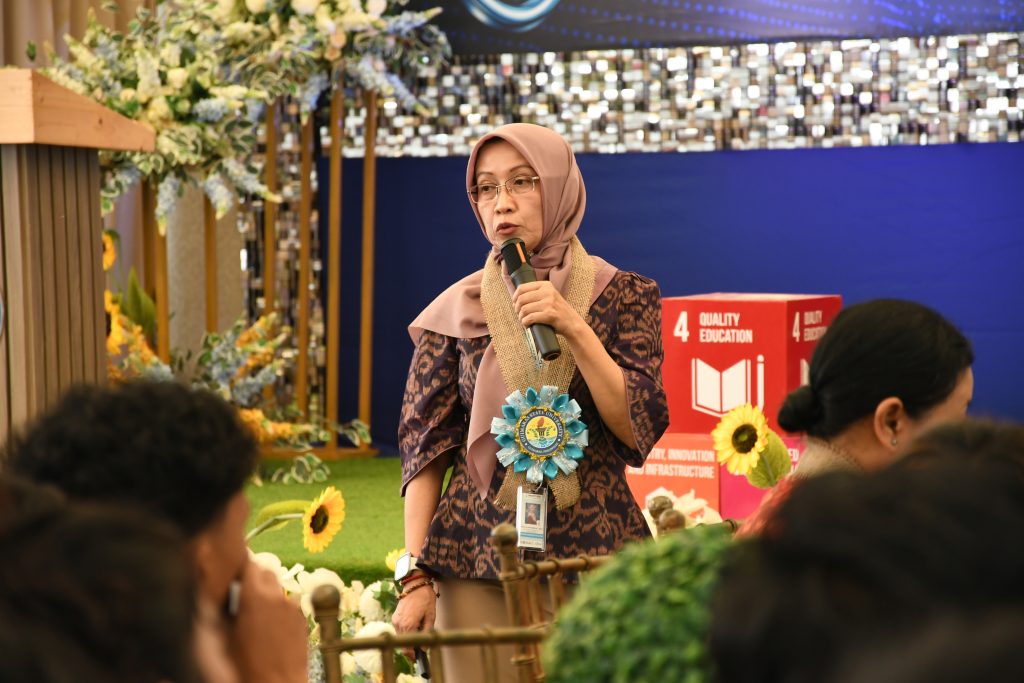
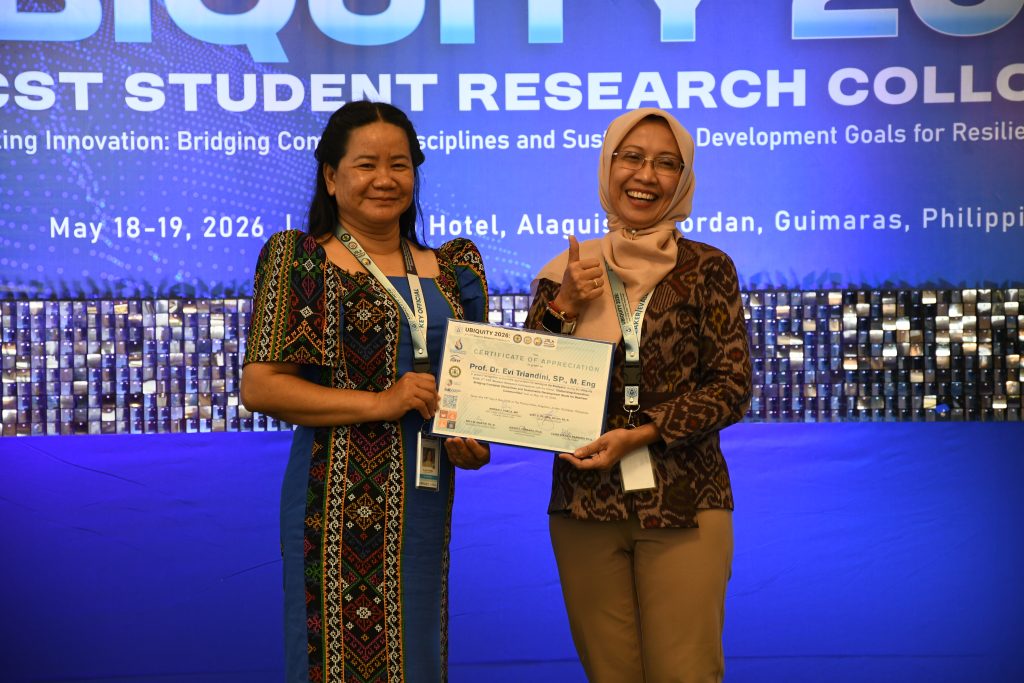
Prof. Dr. Evi Triandini, SP., M.Eng from ITB Stikom Bali, Indonesia delivered a talk titled “An Integrated Digital Health Framework for Prosthetic and Rehabilitation Services in Disability Management,” emphasizing the importance of digital health innovations in improving rehabilitation services and disability management systems.
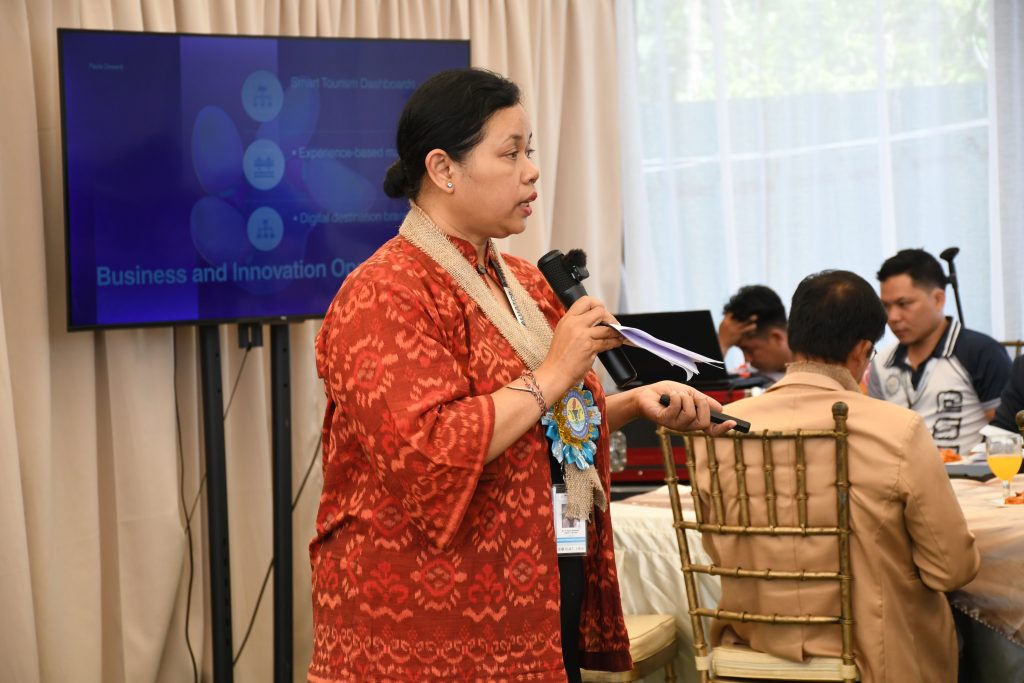
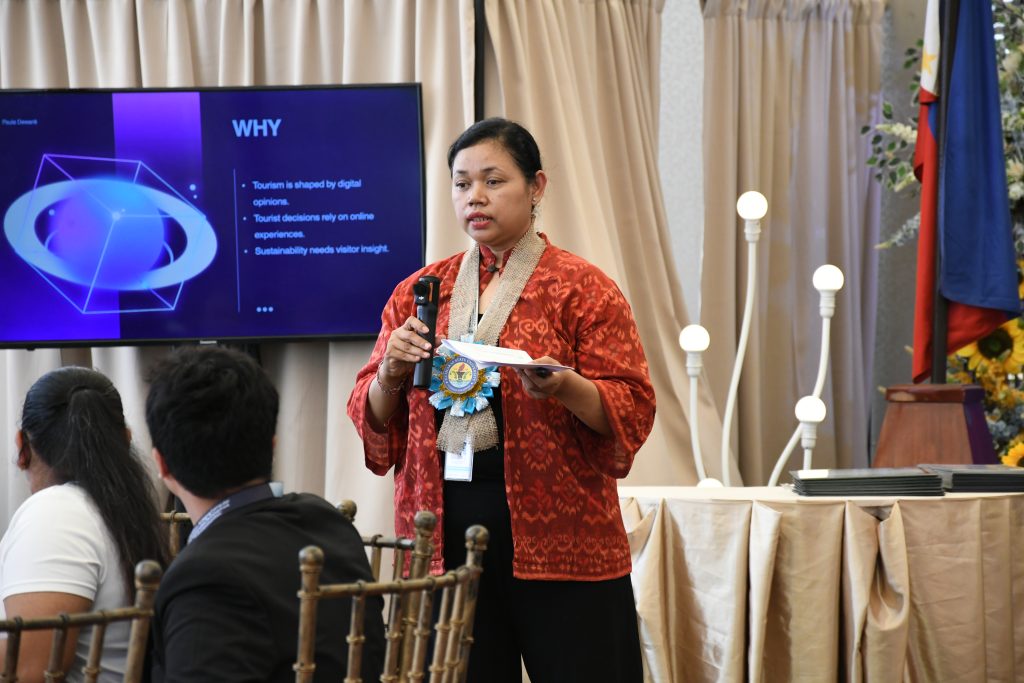
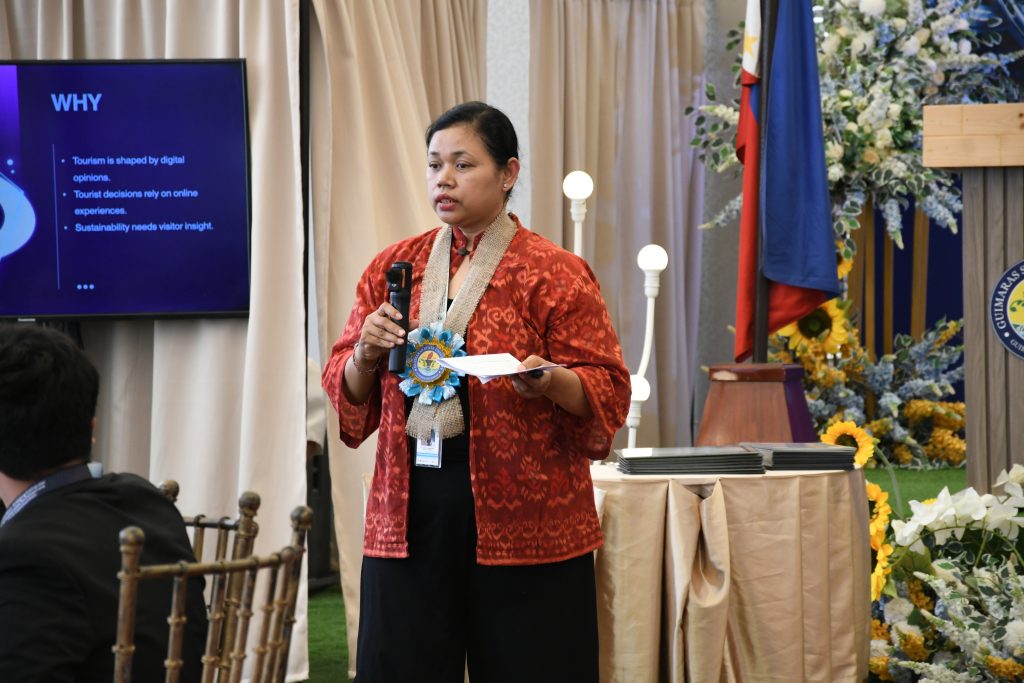
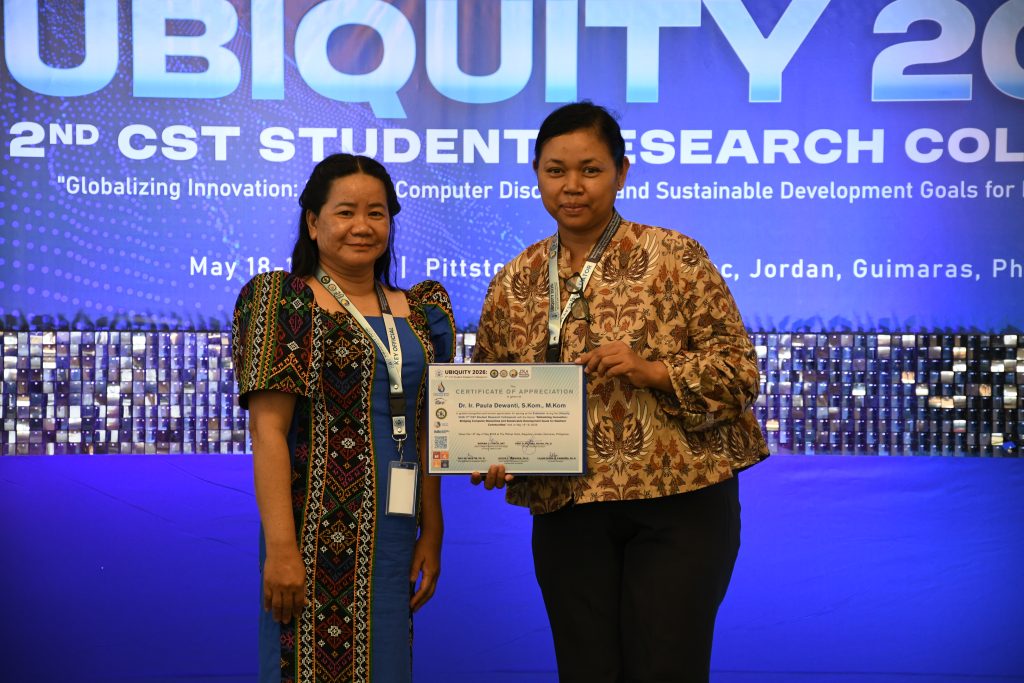
Another keynote speaker from ITB Stikom Bali, Dr. Ir. Paula Dewanti, S.Kom., M.Kom, discussed “Digital Tourist Sentiment Insights for Sustainable E-Tourism,” which explored the use of digital analytics and data-driven insights in promoting sustainable tourism practices.
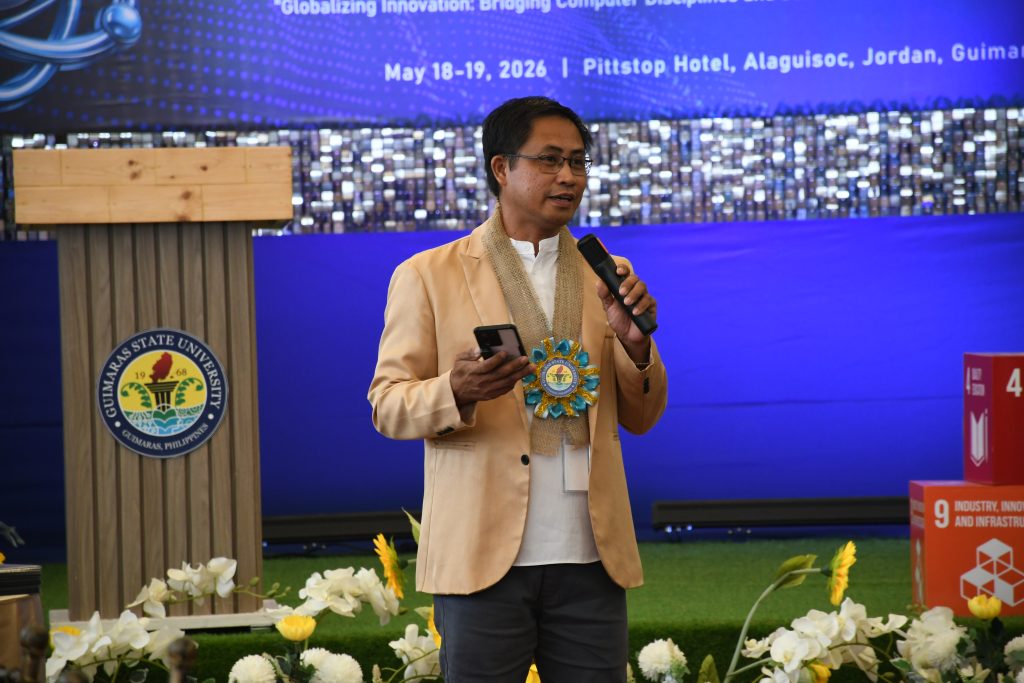
Dr. Renante Diamante, Dean of the College of Information and Communications Technology from ISUFST, also inspired the participants through his keynote presentation entitled “AI Beyond the Code: Architecting Disaster-Resilient Communities through Intelligent Innovation.” His discussion highlighted the transformative role of artificial intelligence in disaster preparedness and resilient community development.
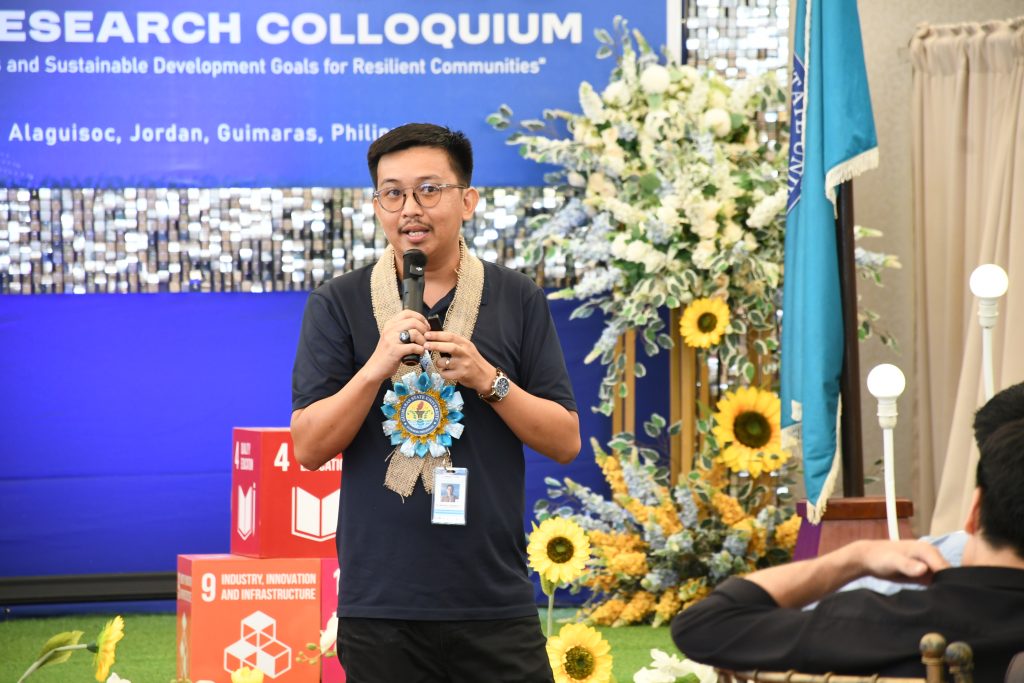
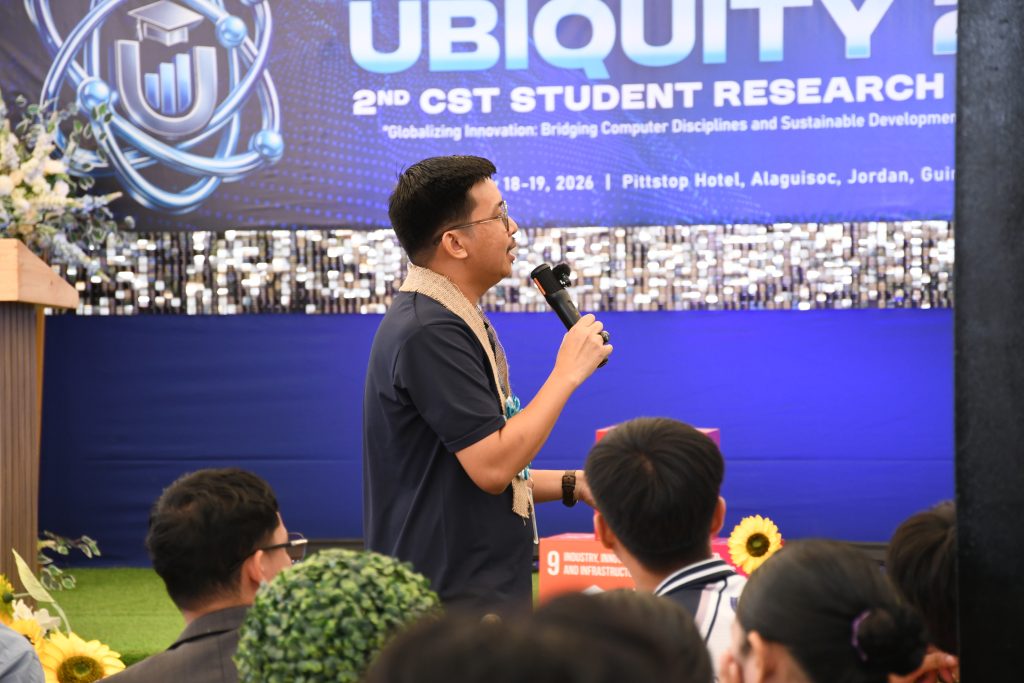
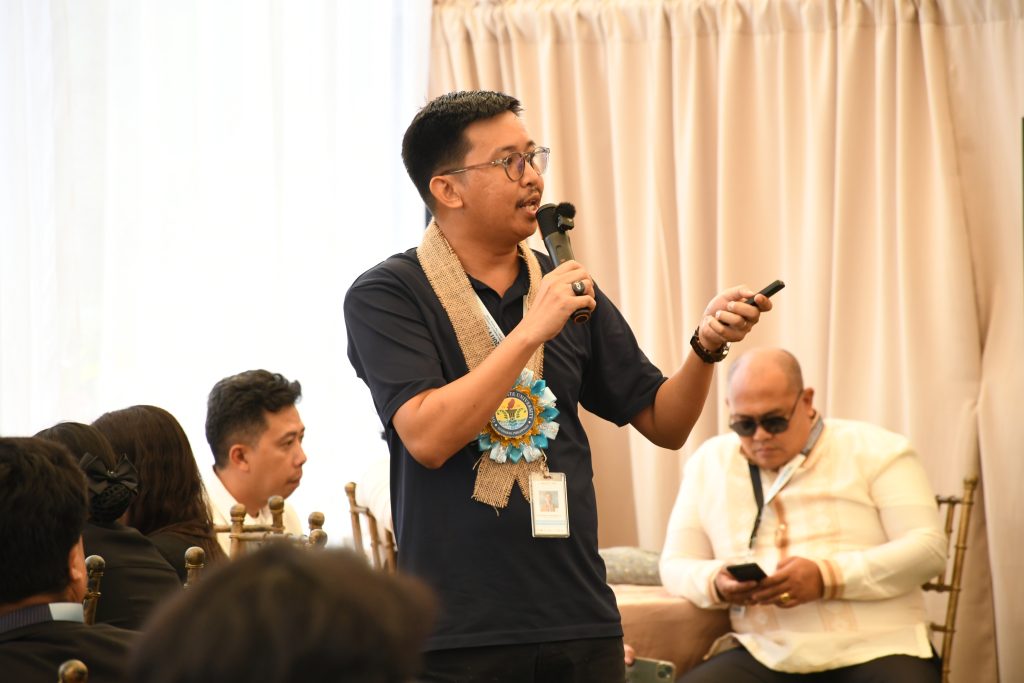
Mr. Michael S. Cabugatan Jr., Provincial Officer of the Department of Information and Communications Technology (DICT) Guimaras, likewise shared valuable information regarding the different DICT projects and services that support digital transformation and technological advancement in local communities.
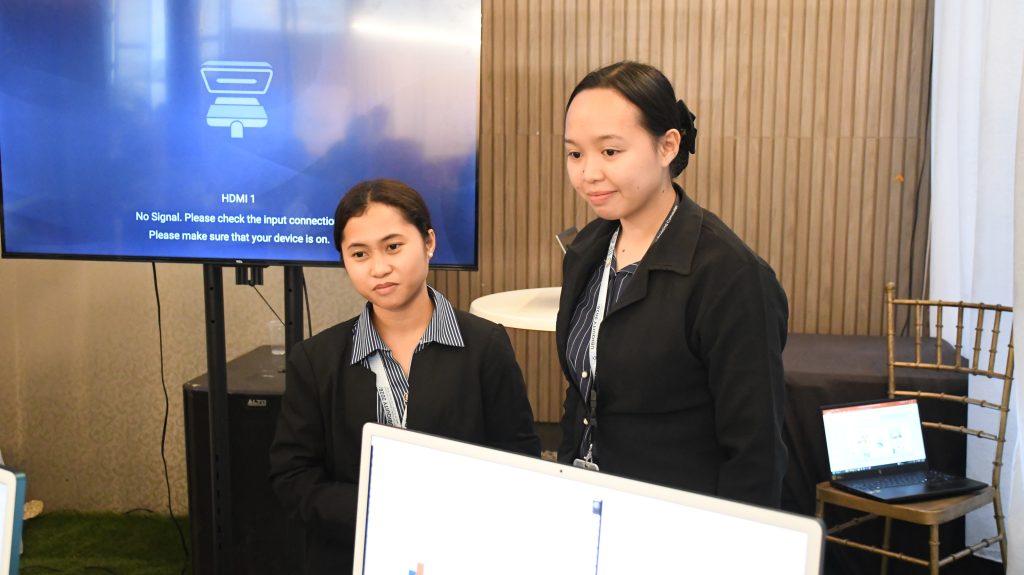
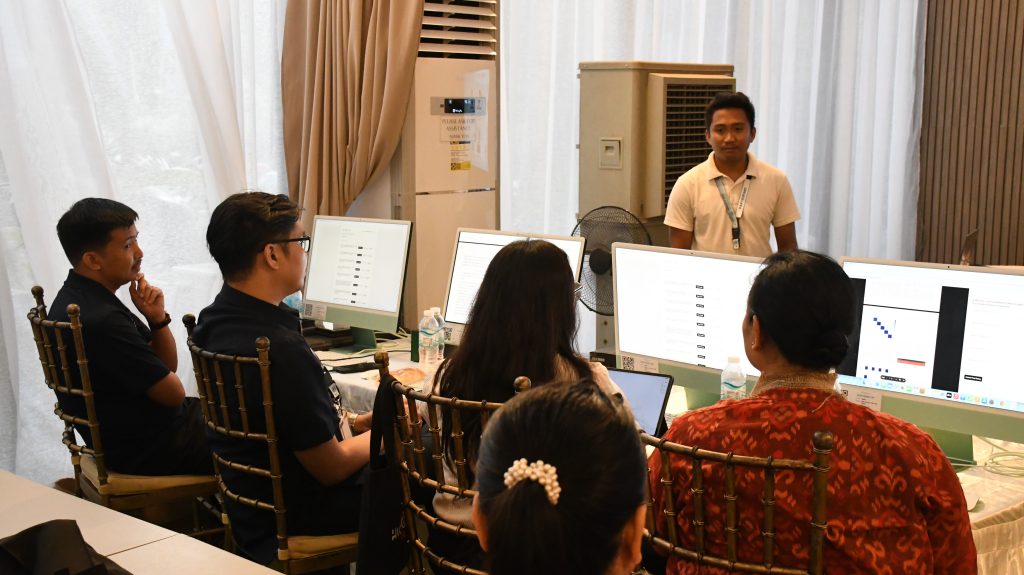
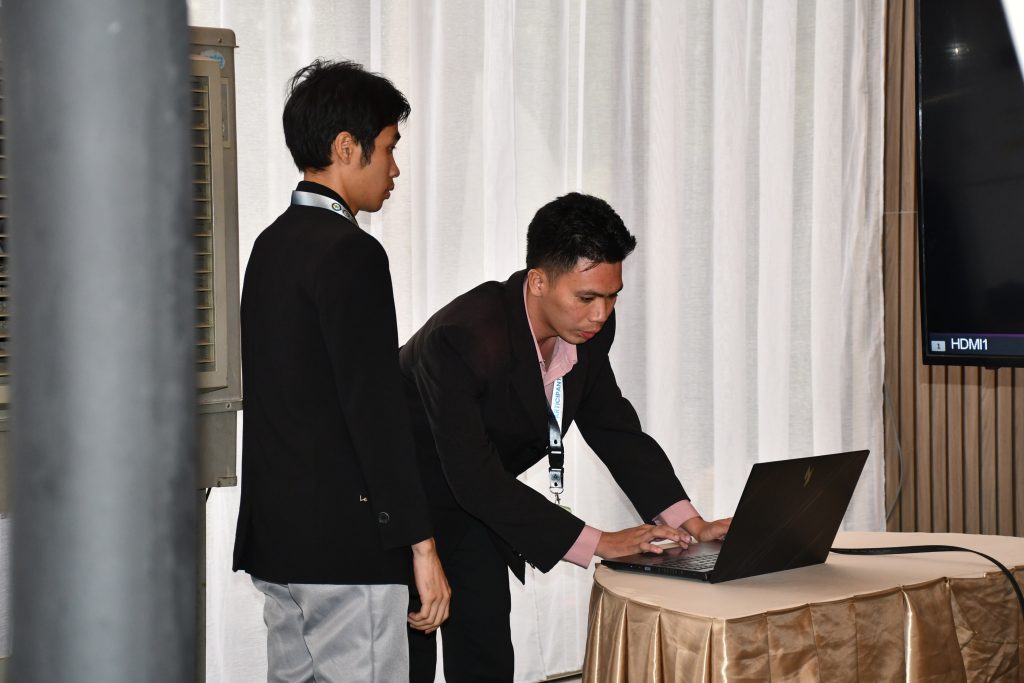
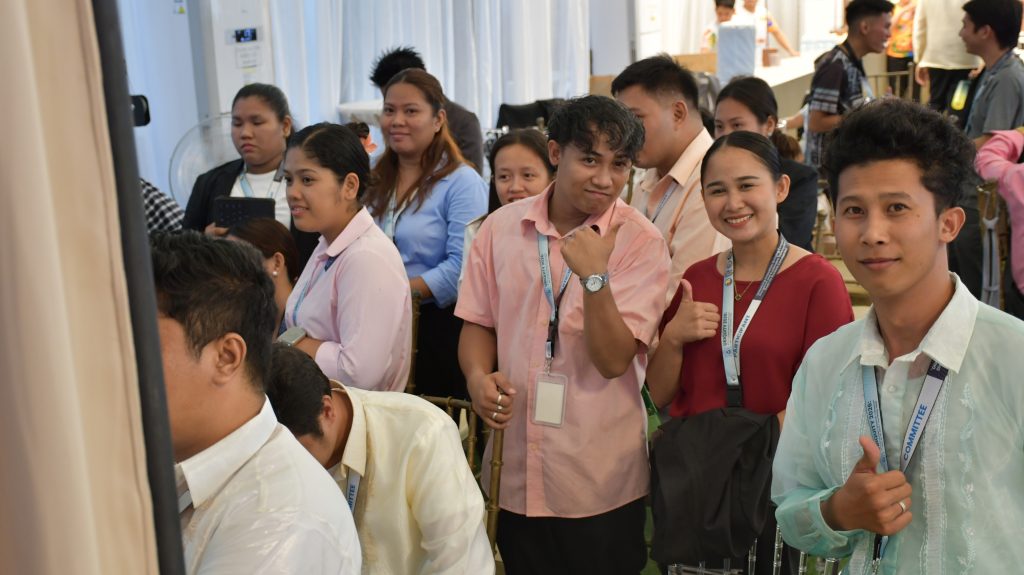
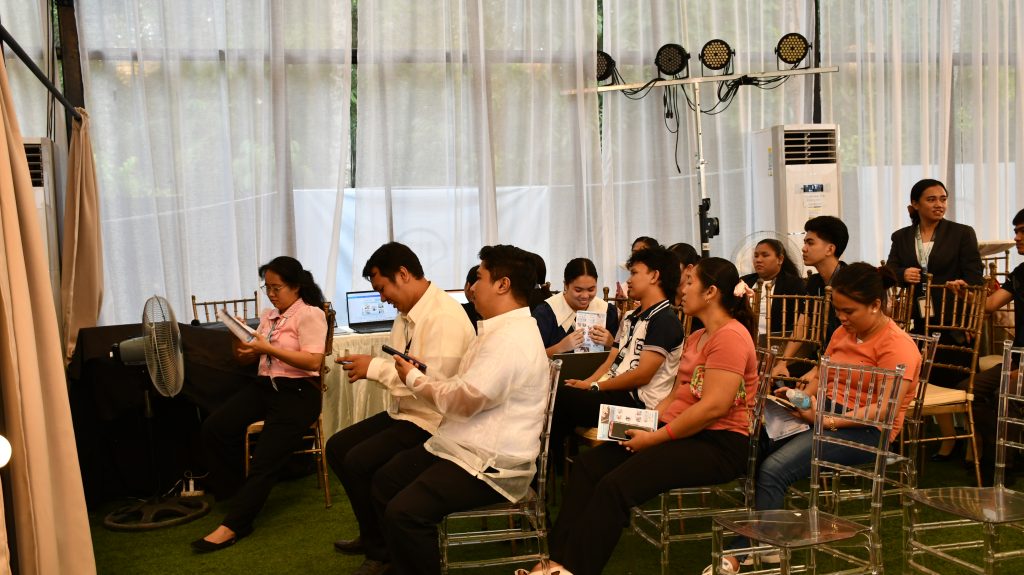
Following the keynote sessions, the first set of parallel research presentations officially commenced.
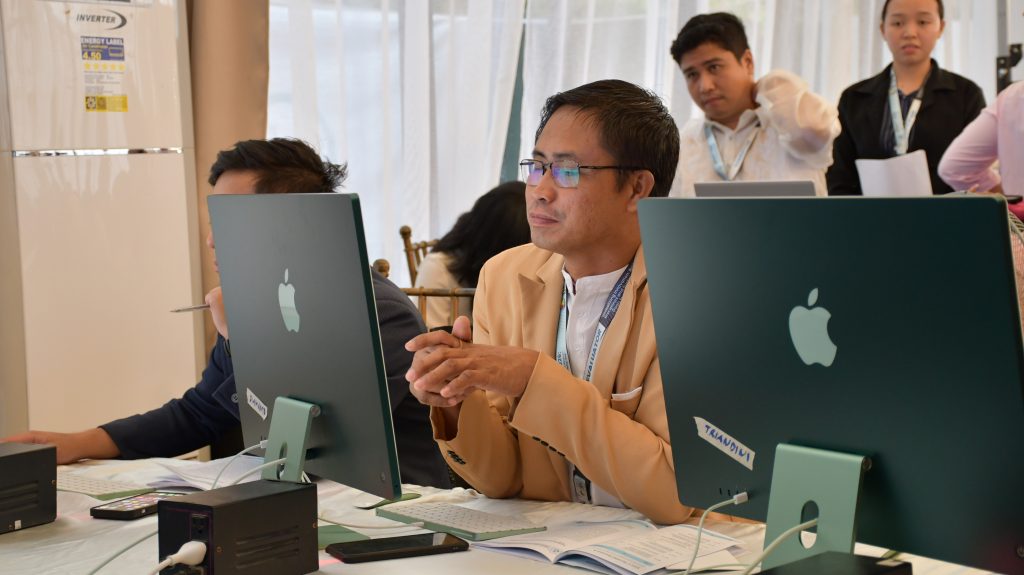
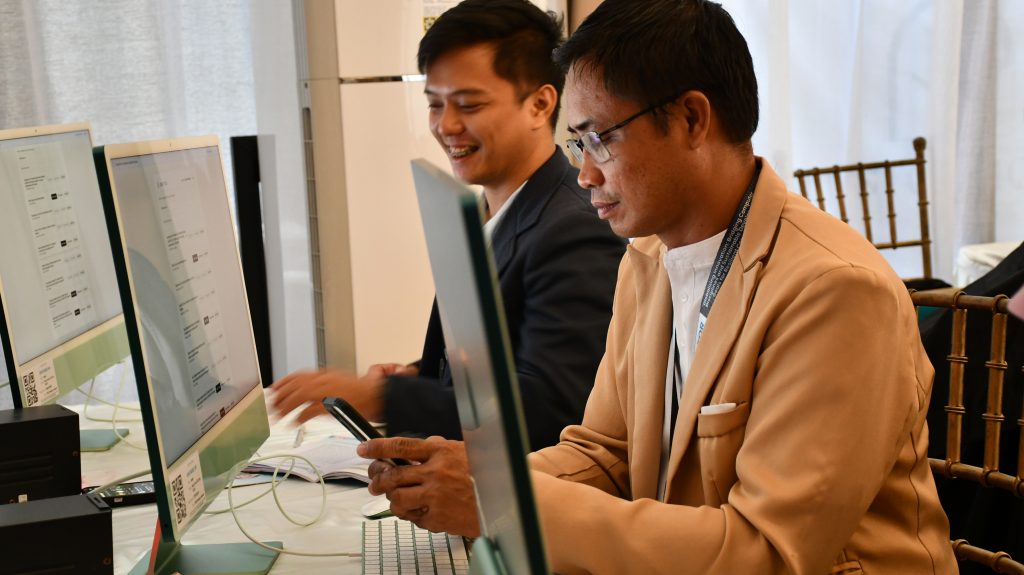
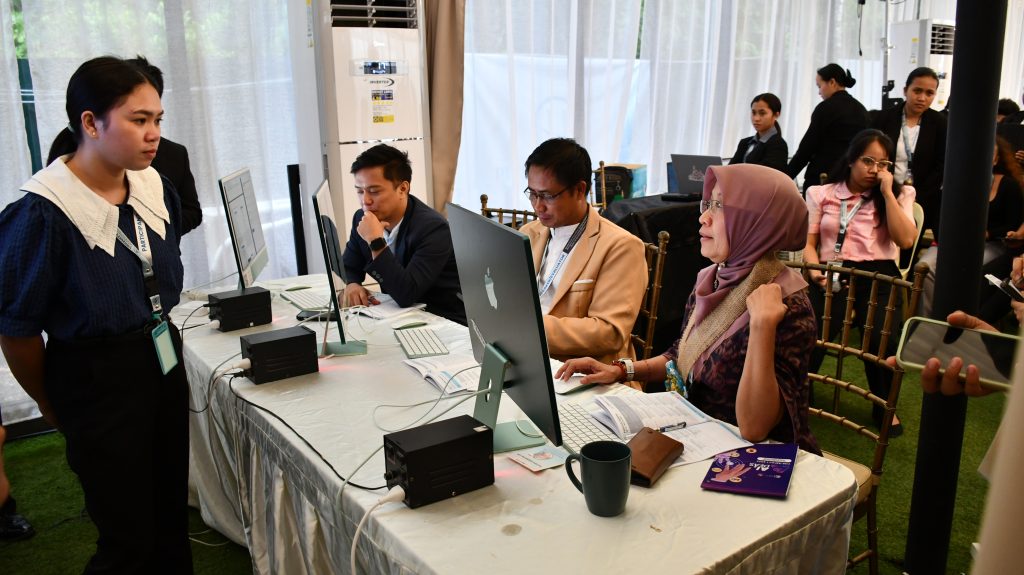
Parallel Session A focused on Natural Language Processing (NLP) and Large Language Models (LLM) and was evaluated by Dr. Renante Diamante, Instr. Dave D. Lota, and Prof. Dr. Evi Triandini, SP., M.Eng.
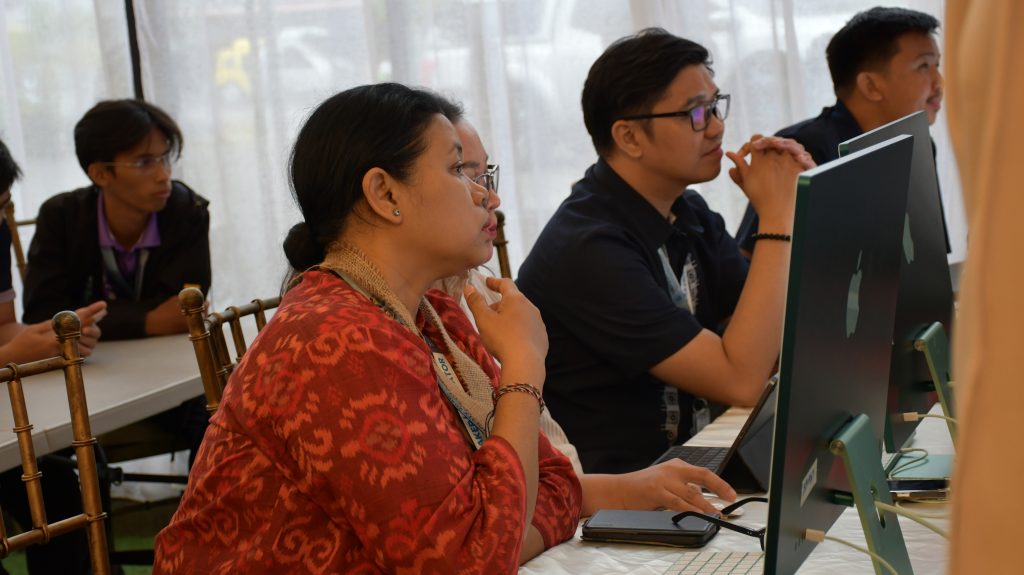
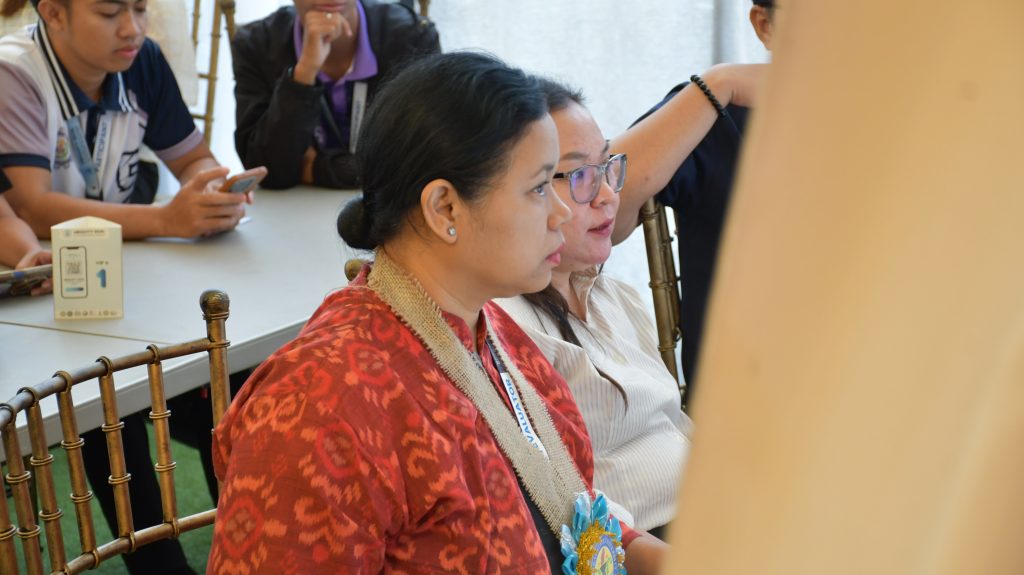
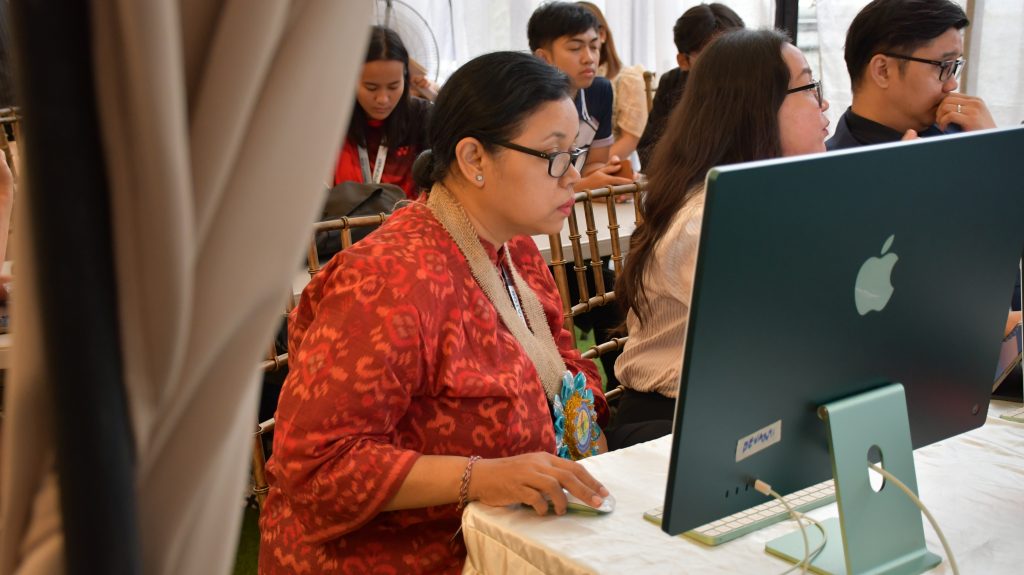
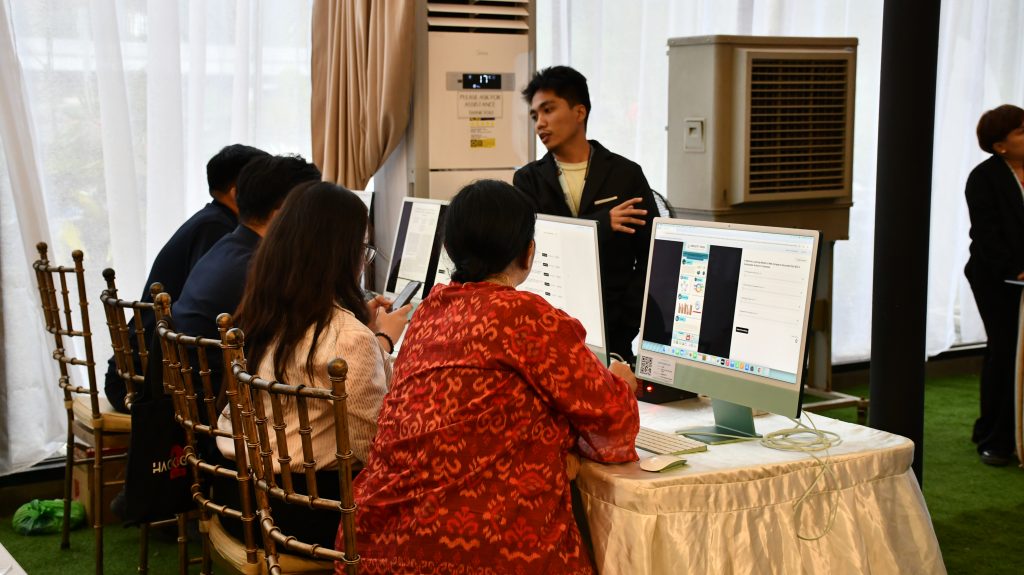
Meanwhile, Parallel Session B centered on Predictive Analysis and Applied Machine Learning, with Dr. Ir. Paula Dewanti, S.Kom., M.Kom, Prof. Preexcy B. Tupas, Engr. Frenz Rian G. Gal, and Mr. Michael S. Cabugatan Jr. serving as evaluators.
The second day of the colloquium continued with another set of insightful keynote talks.
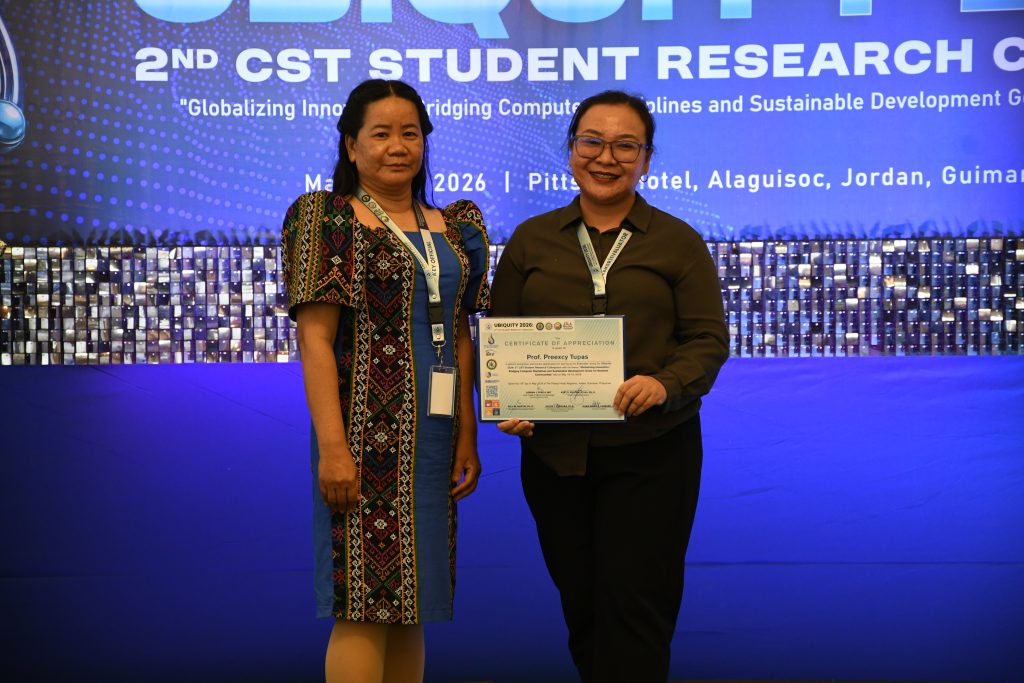
Prof. Preexcy B. Tupas from Romblon State University delivered a presentation entitled “Global Thinking, Local Impact: From Code to Community-Designing IT Solutions that Actually Matter,” emphasizing the significance of creating meaningful technological solutions that directly address community needs.
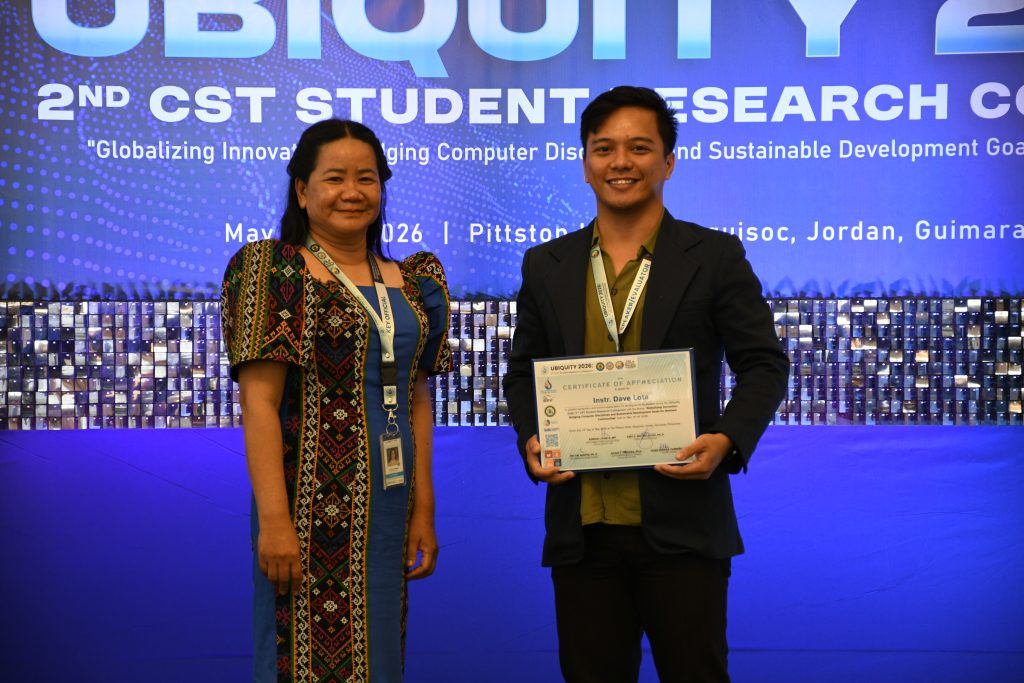
Instr. Dave D. Lota of Romblon State University also discussed “Research as a Catalyst for Mainstreaming the Sustainable Development Goals in Higher Education,” encouraging students and educators to use research as a driving force for sustainable and socially responsive innovations.
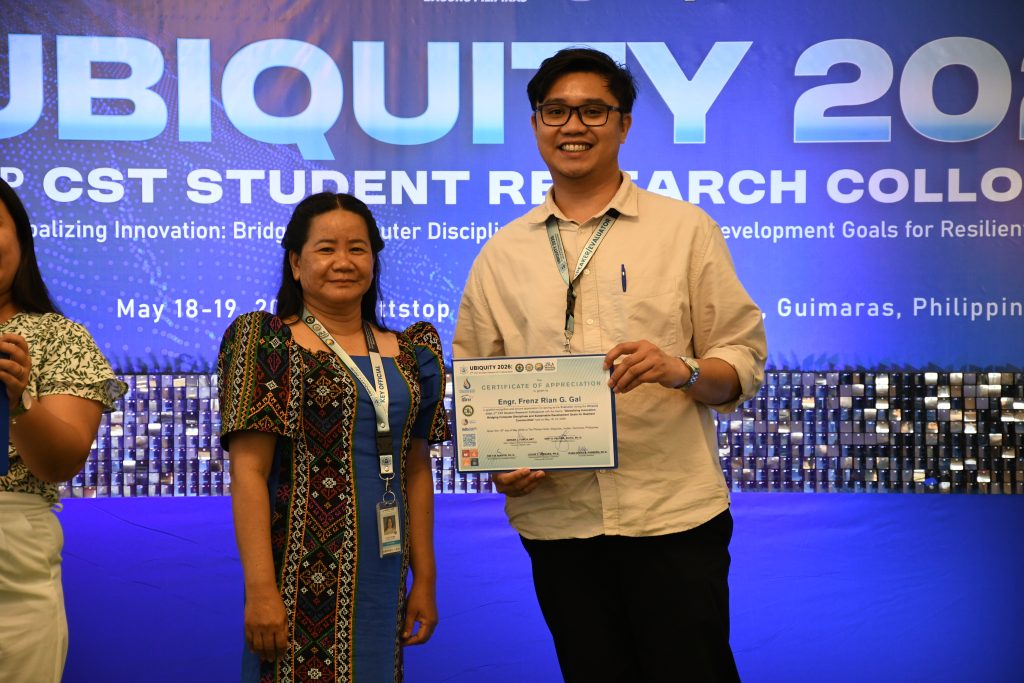
An Intellectual Property Awareness Talk was likewise conducted by Engr. Frenz Rian Gal, highlighting the importance of protecting innovations and research outputs through intellectual property rights and responsible research practices.
Adding an international dimension to the colloquium, Arya Wangsa Buana Perwata Kusumah, a student exchange participant from Universitas Pakuan, delivered a special paper presentation via Zoom entitled “Disease Classification on Mango Leaves and Stems using Transfer Learning with EfficientB0 Architecture.”
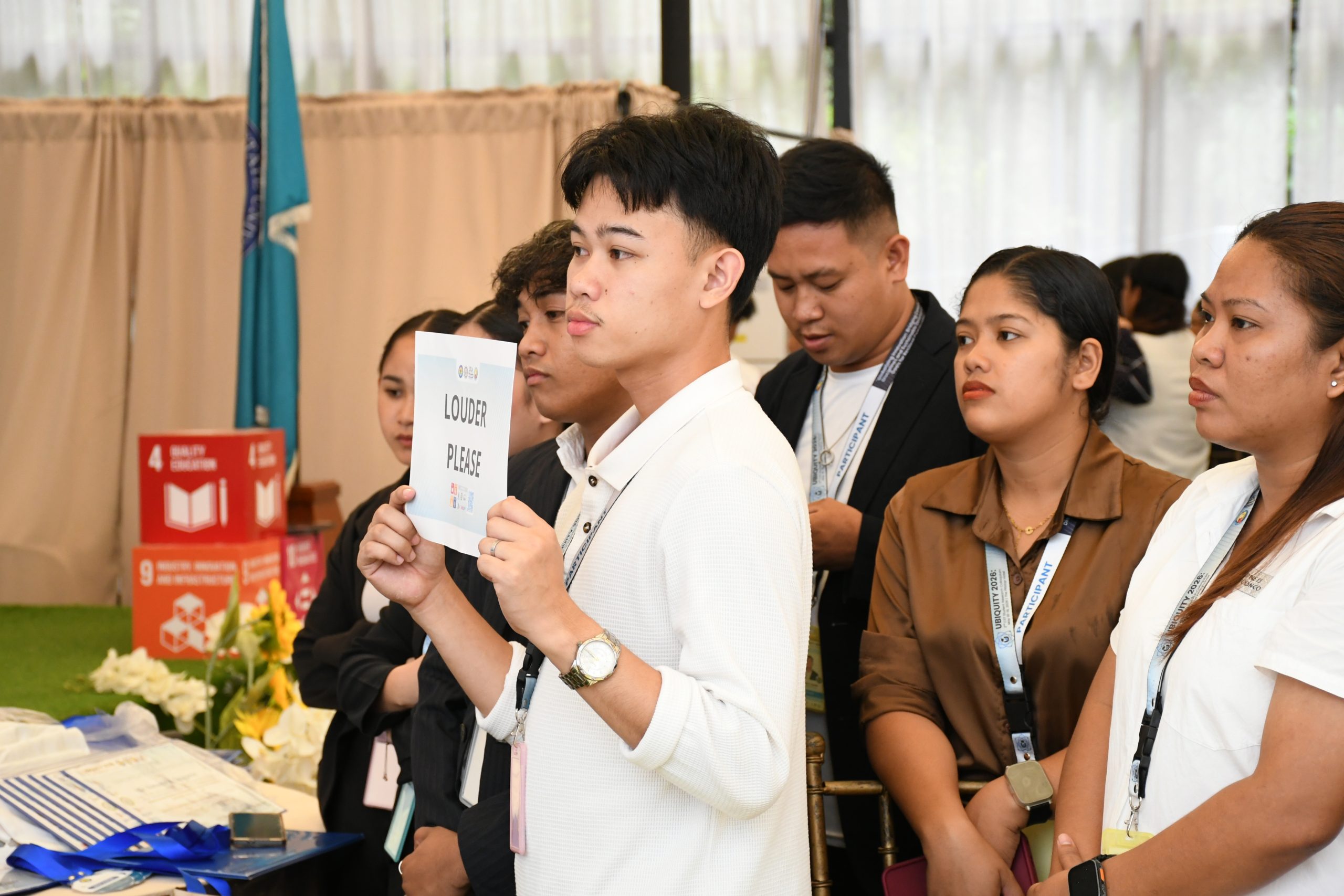
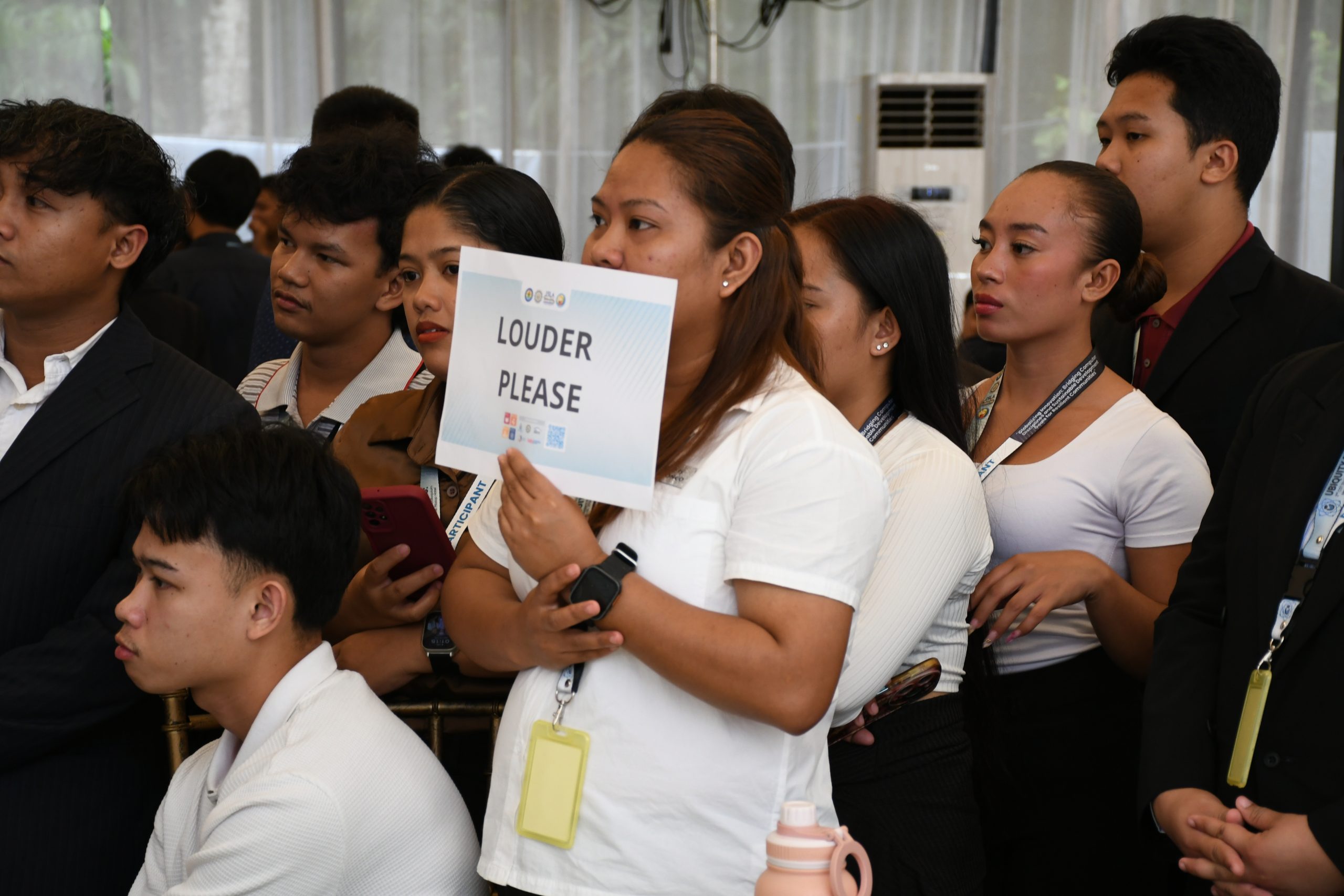
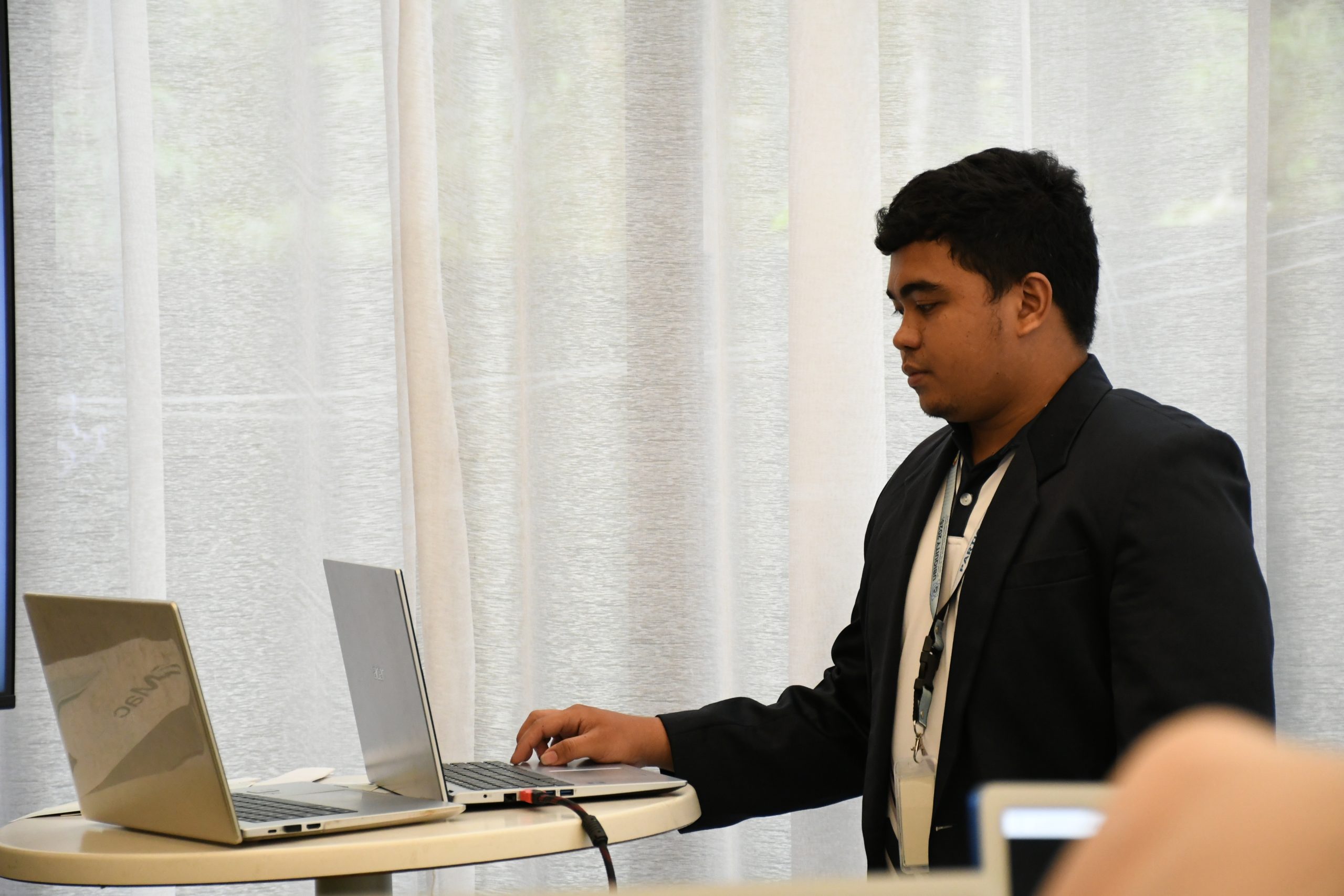
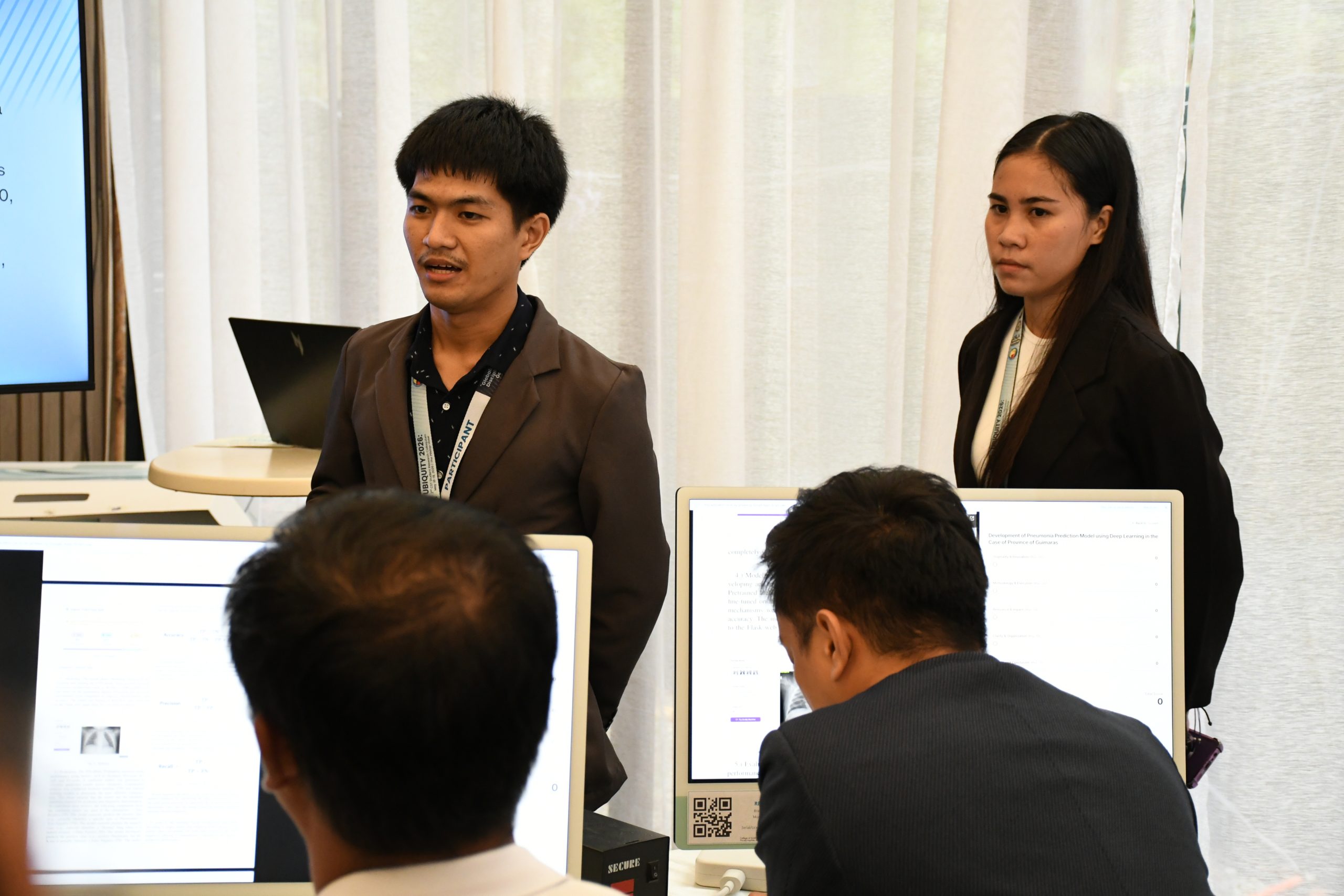
After the keynote and special presentations, the colloquium proceeded with the remaining parallel sessions.
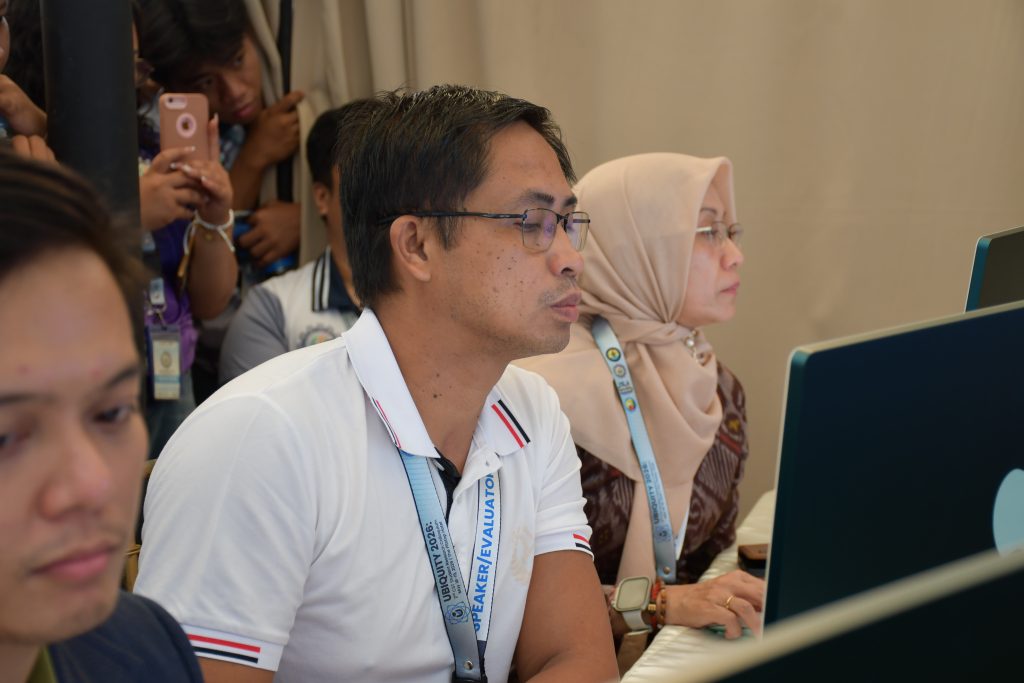
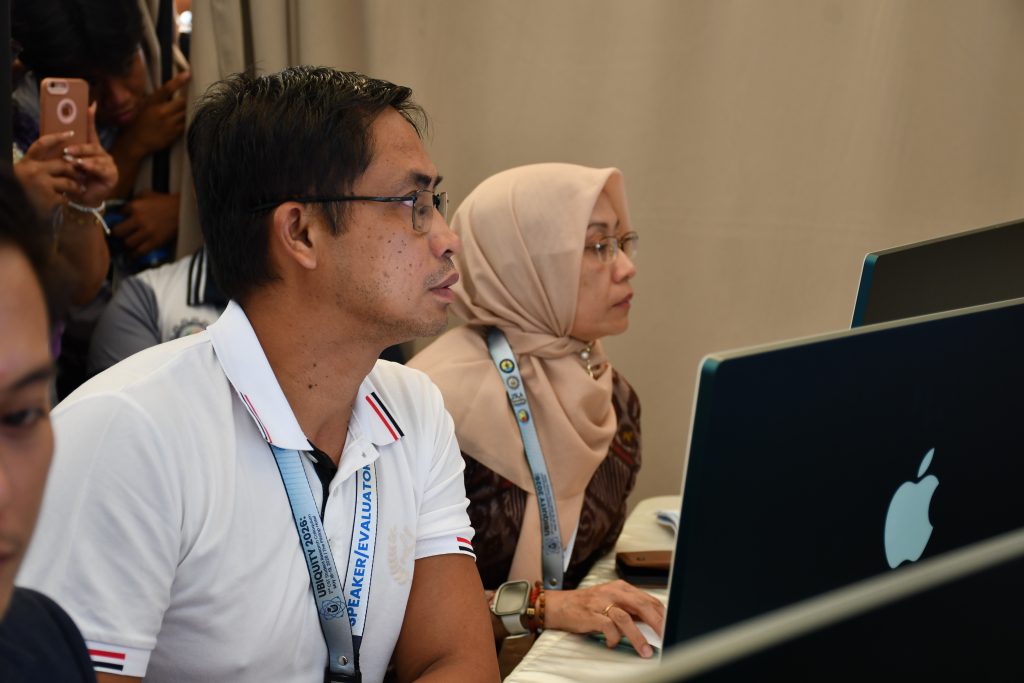
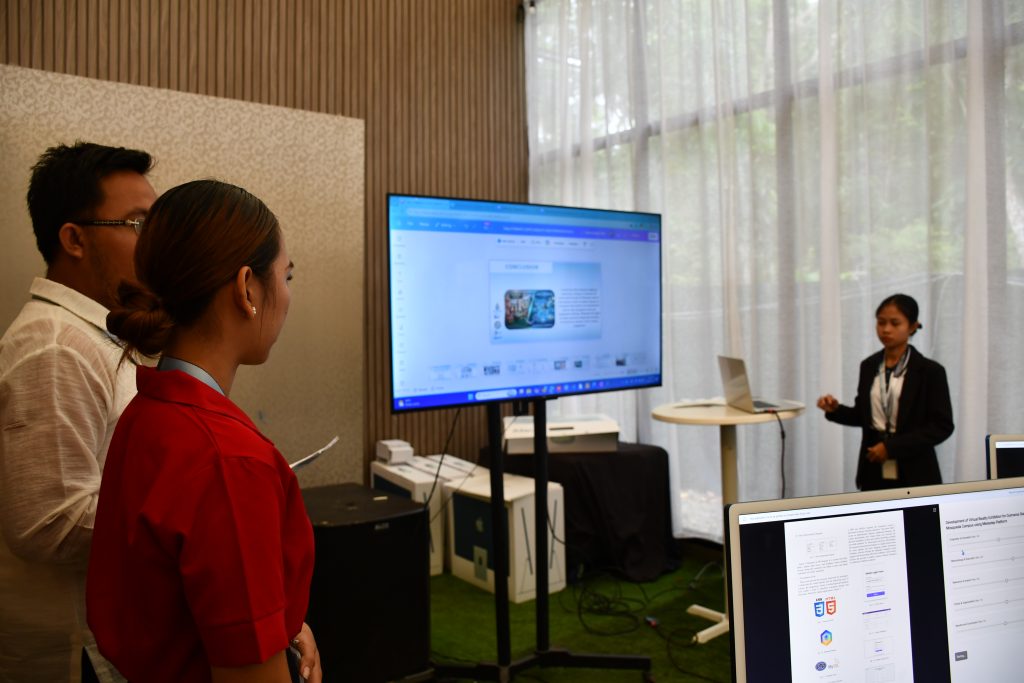
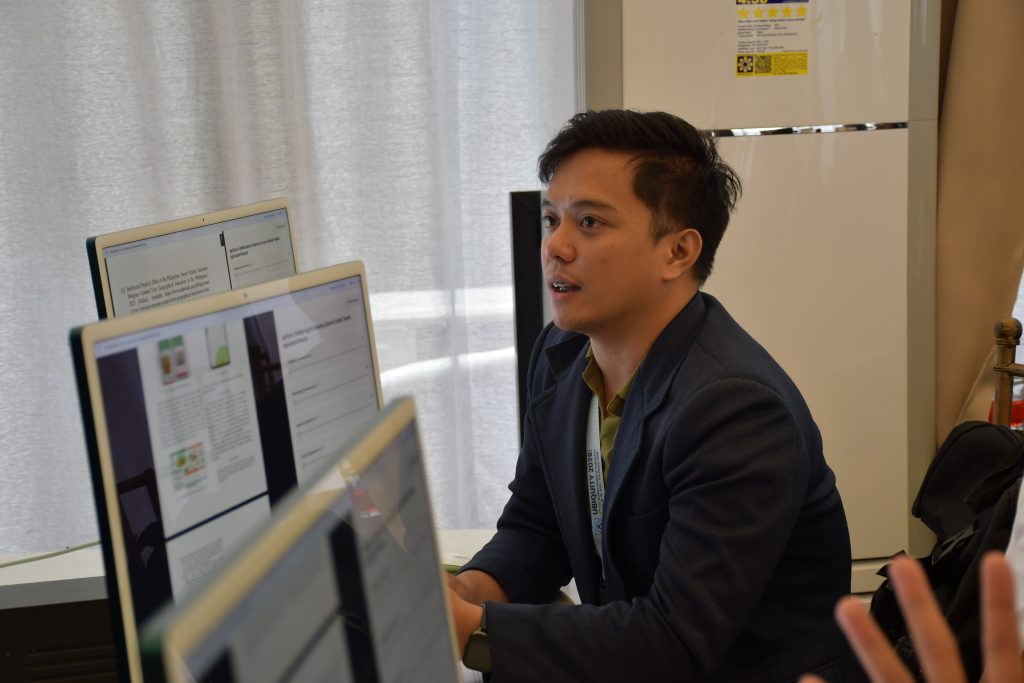
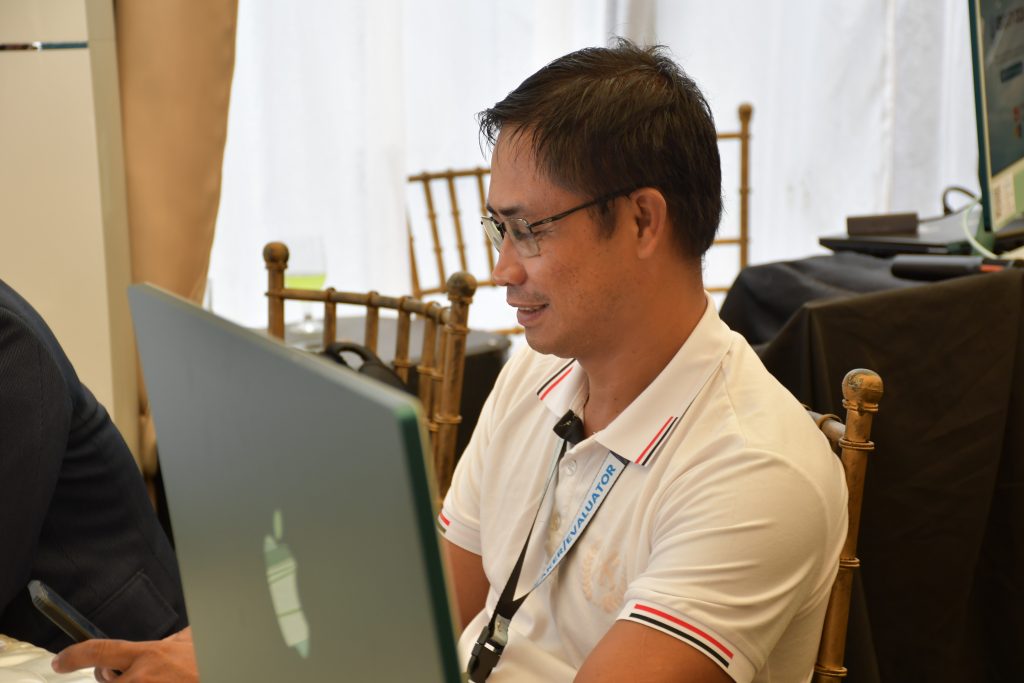
Parallel Session C focused on Computer Vision, Deep Learning, and Digital Media, evaluated by Dr. Renante Diamante, Instr. Dave D. Lota, and Prof. Dr. Evi Triandini, SP., M.Eng.
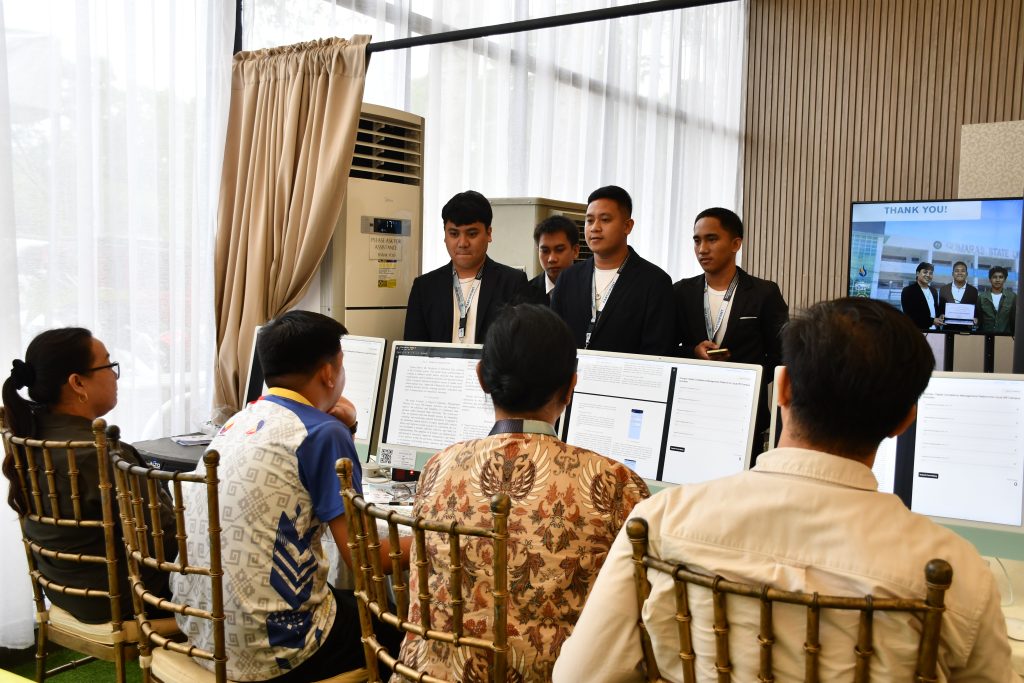
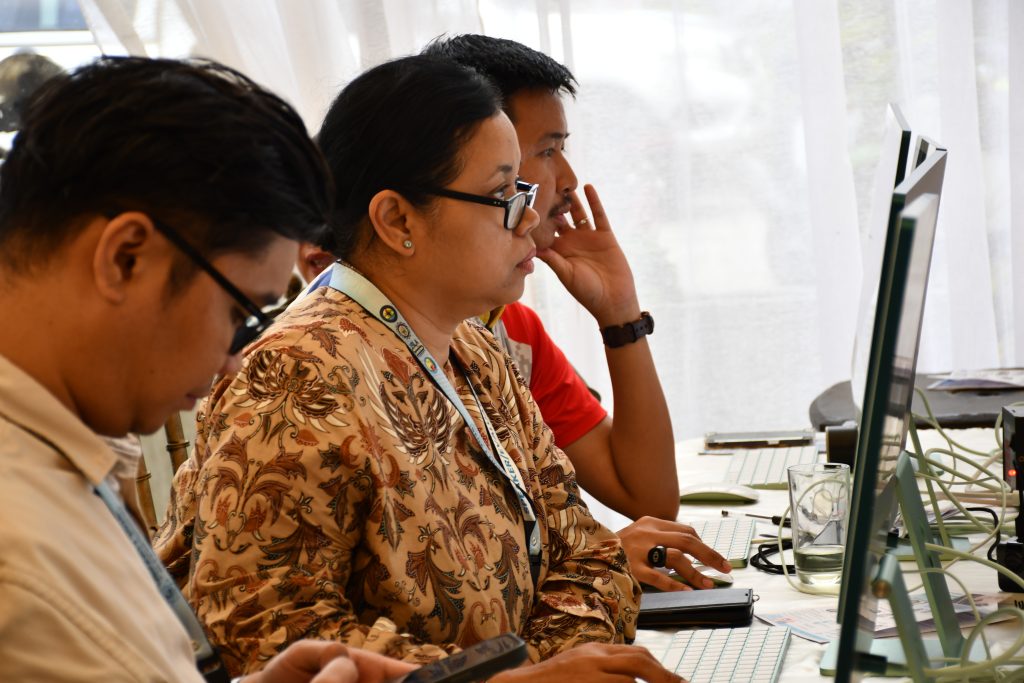
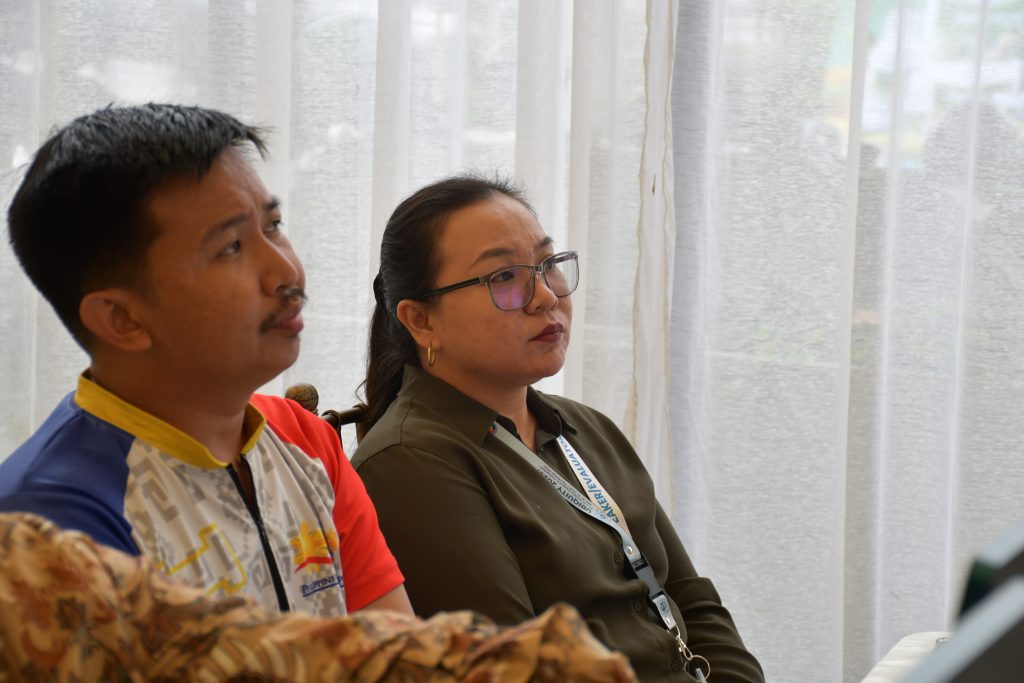
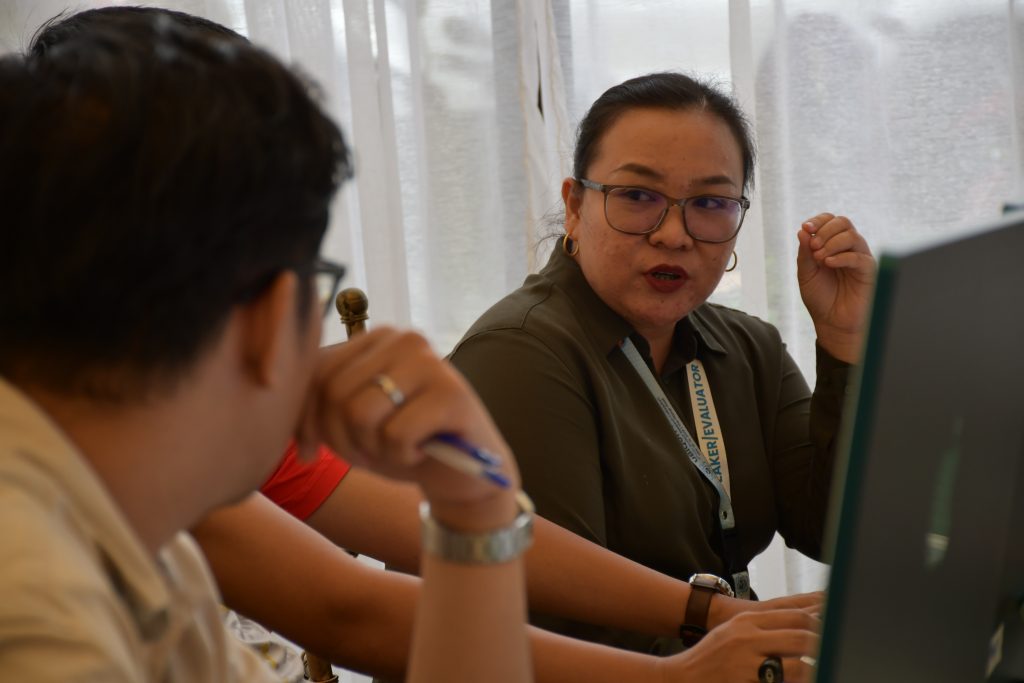
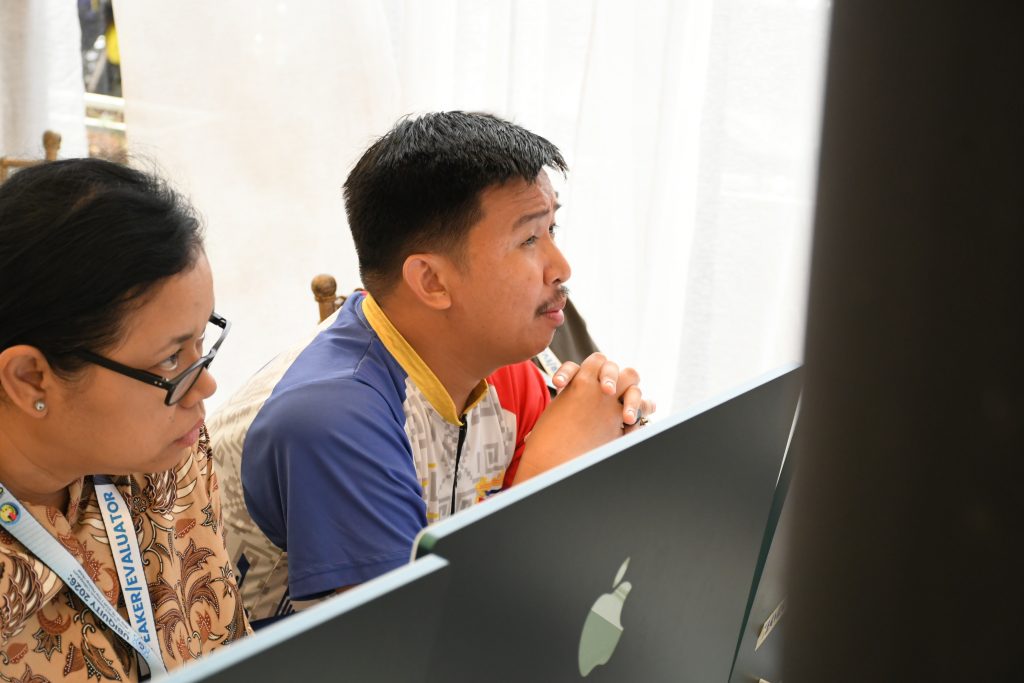
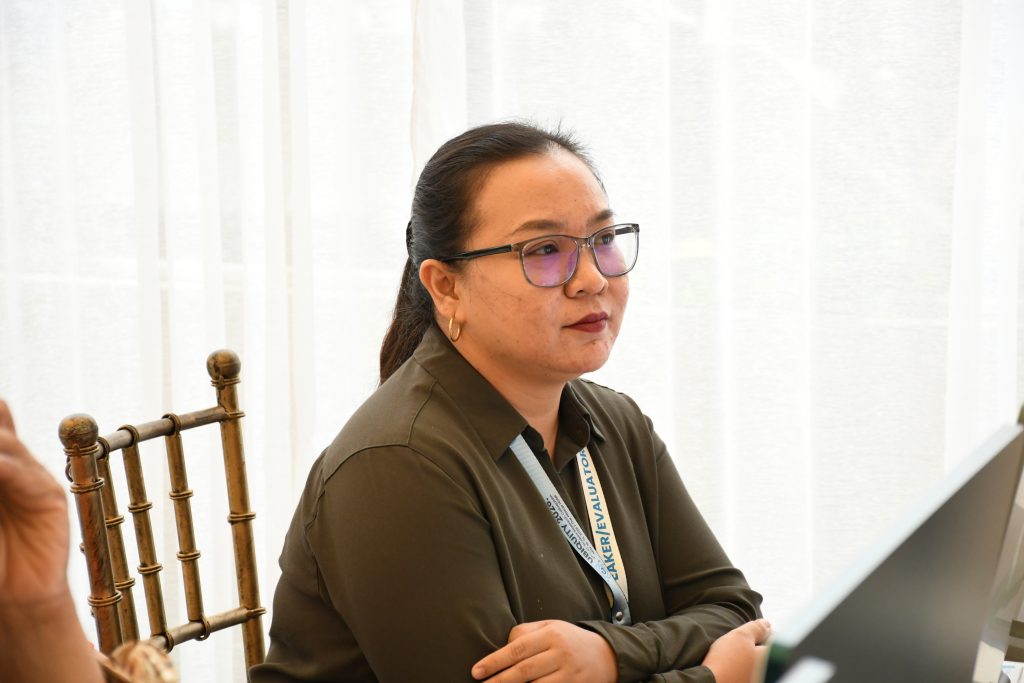
Parallel Session D highlighted Geographic Information Systems (GIS) and Integrated Software Systems, with Dr. Ir. Paula Dewanti, S.Kom., M.Kom, Prof. Preexcy B. Tupas, Engr. Frenz Rian G. Gal, and Mr. Michael S. Cabugatan Jr. serving as evaluators.
Meanwhile, Parallel Session E focused on System Implementation and Evaluation, participated in by GSU Graduate School students who presented the study entitled “Canva as Digital Tool to Improve Teacher’s Classroom Instruction.”
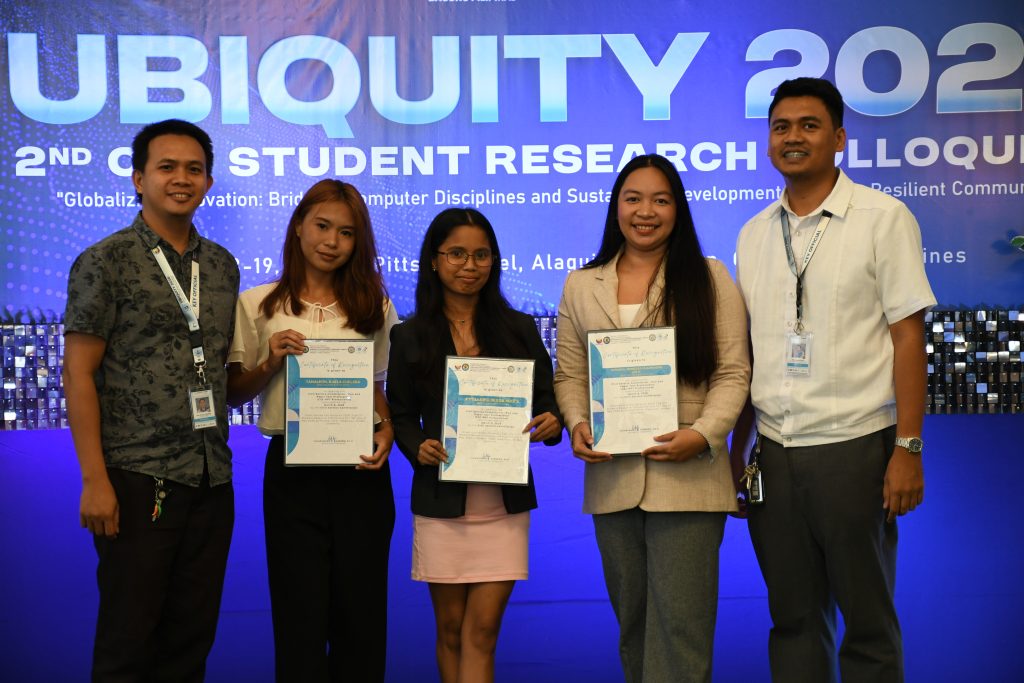
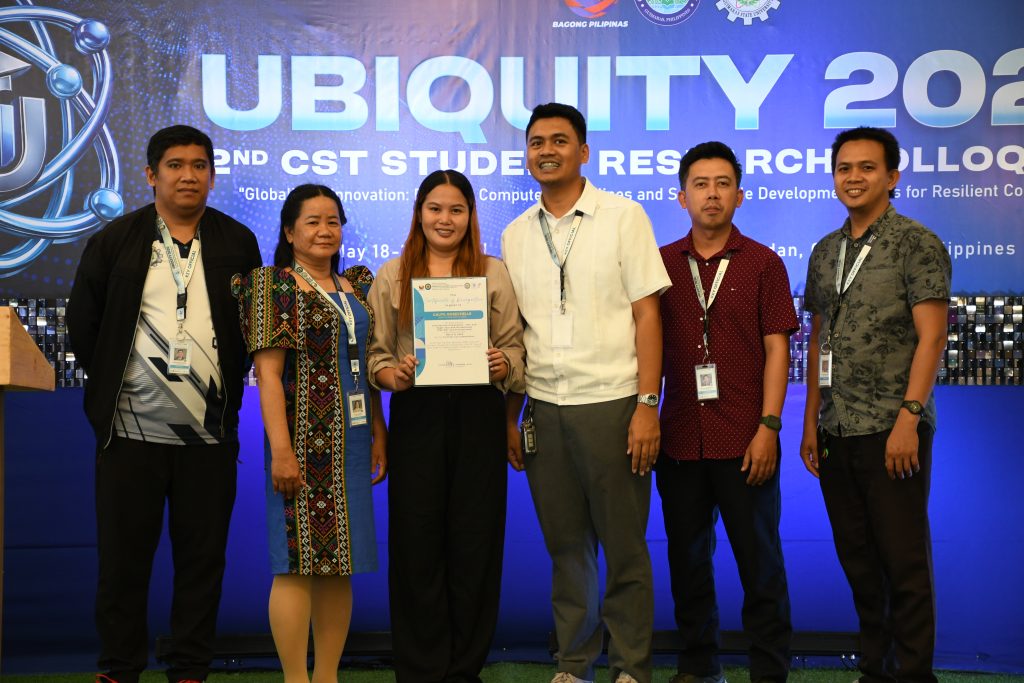
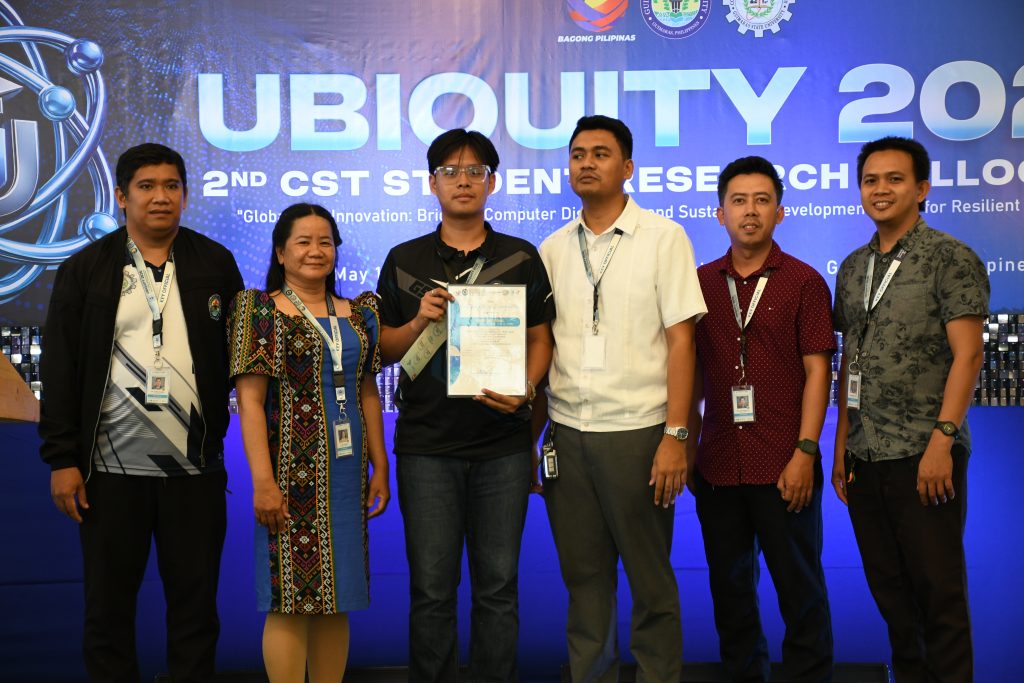
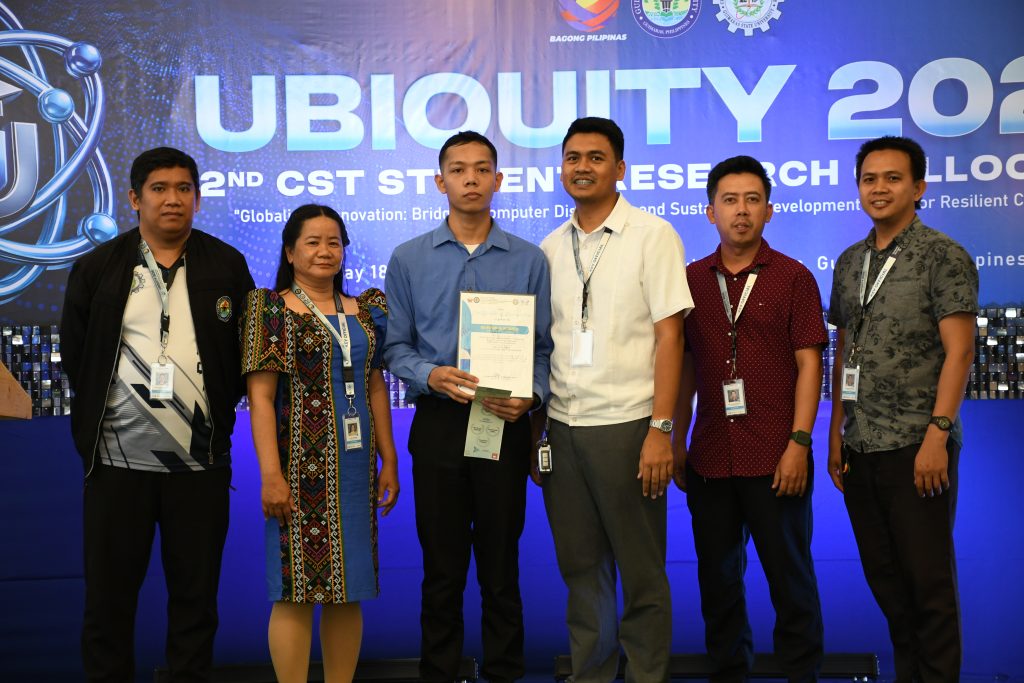
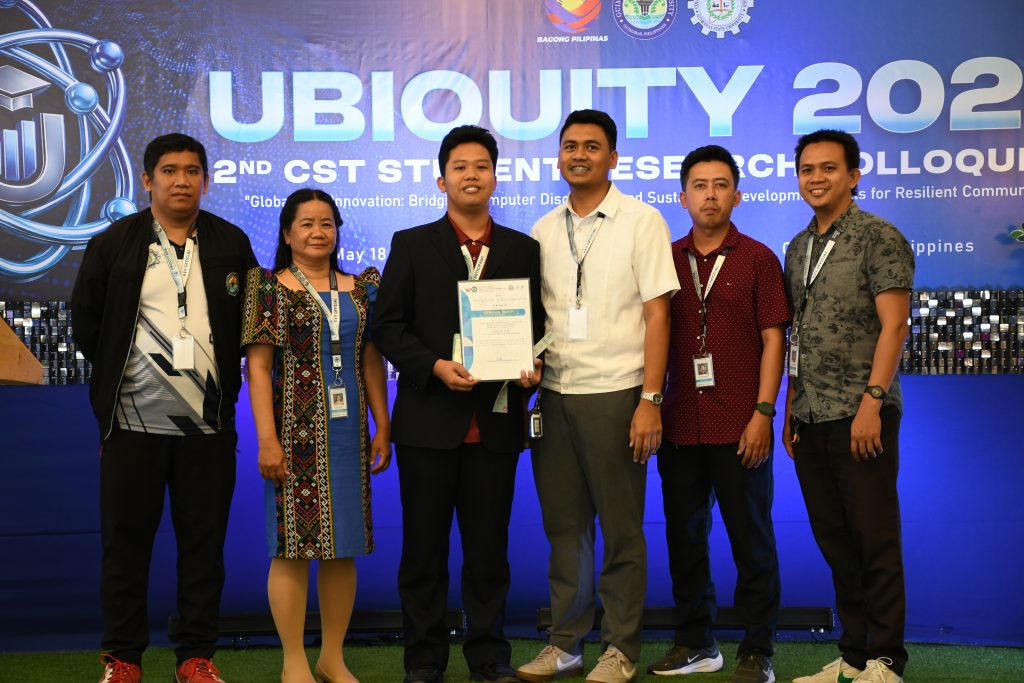
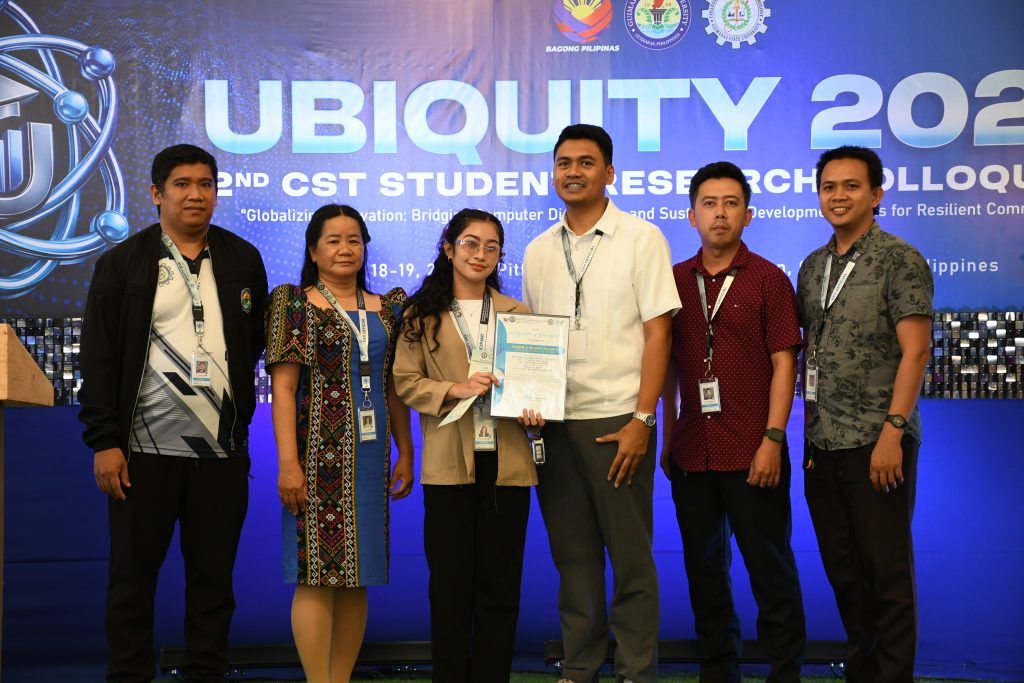
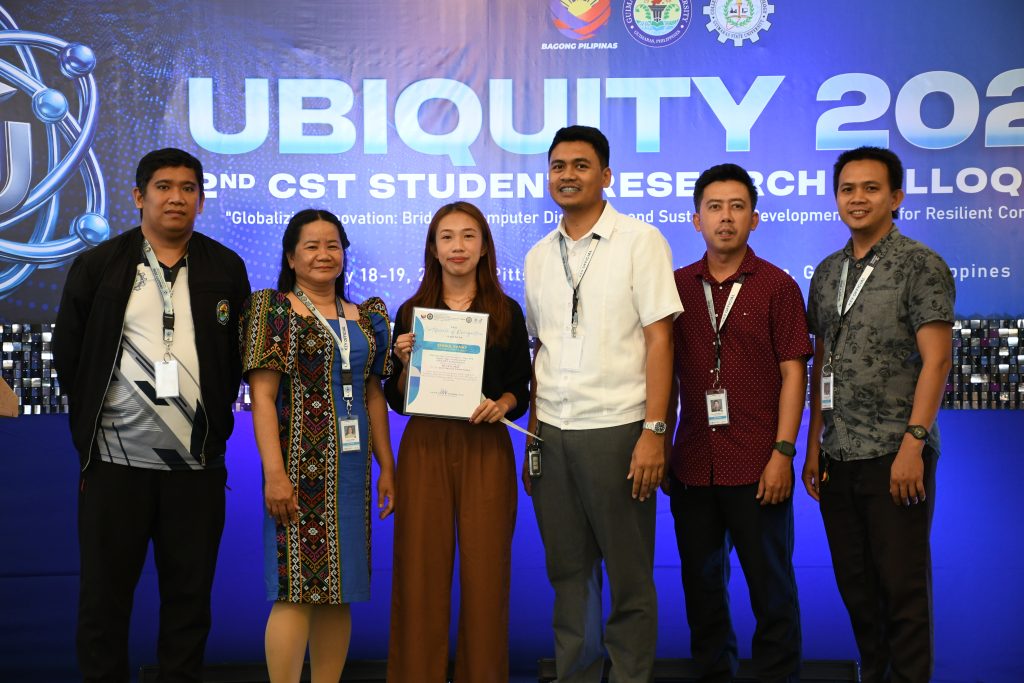
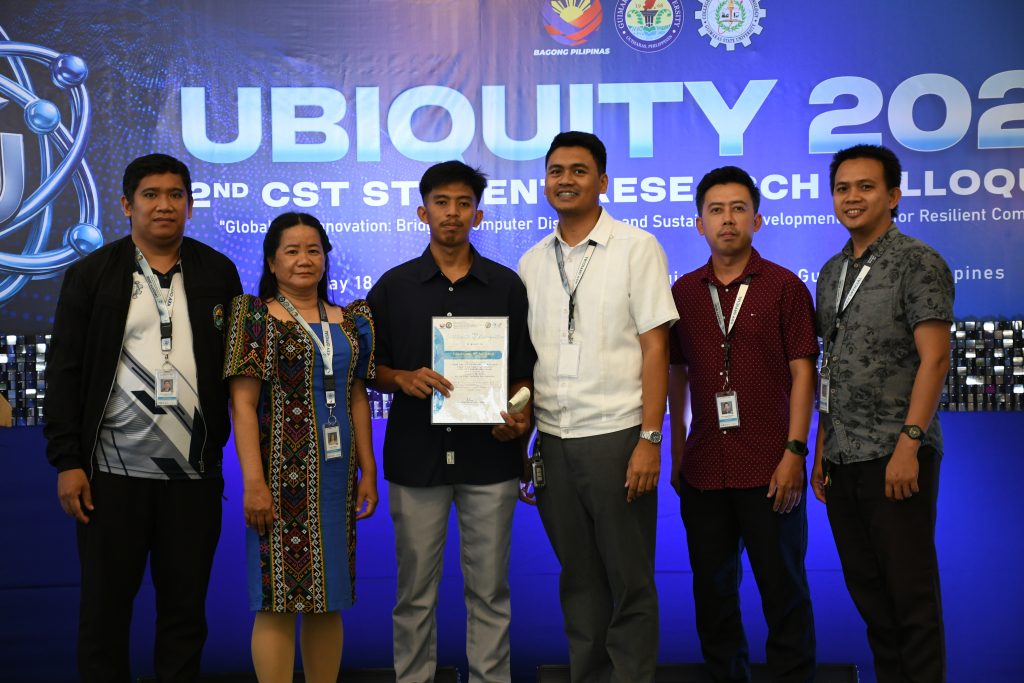
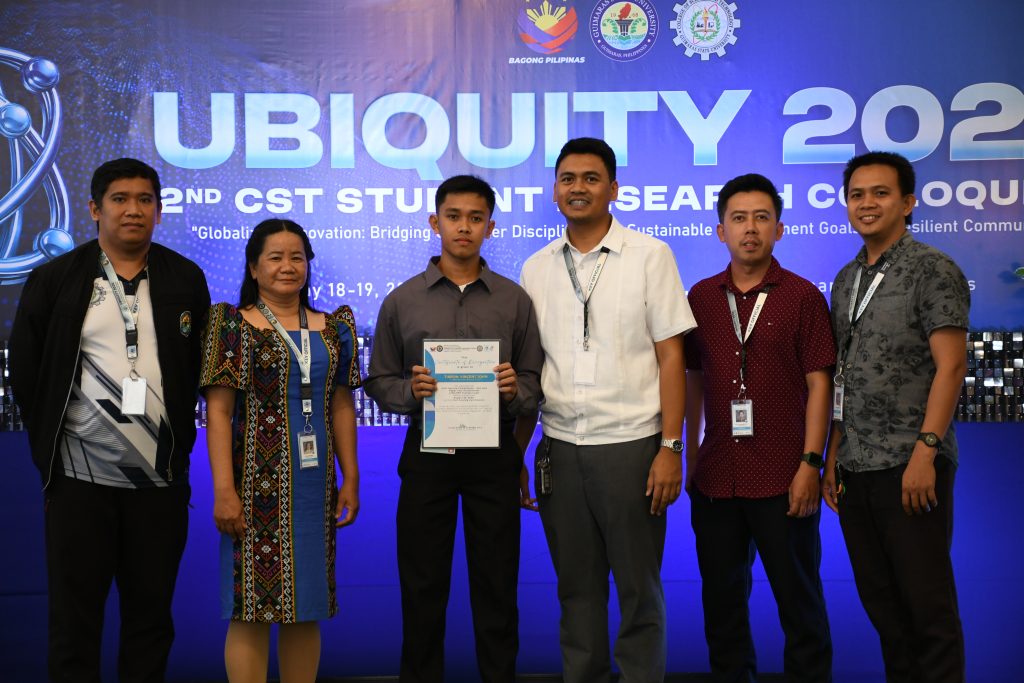
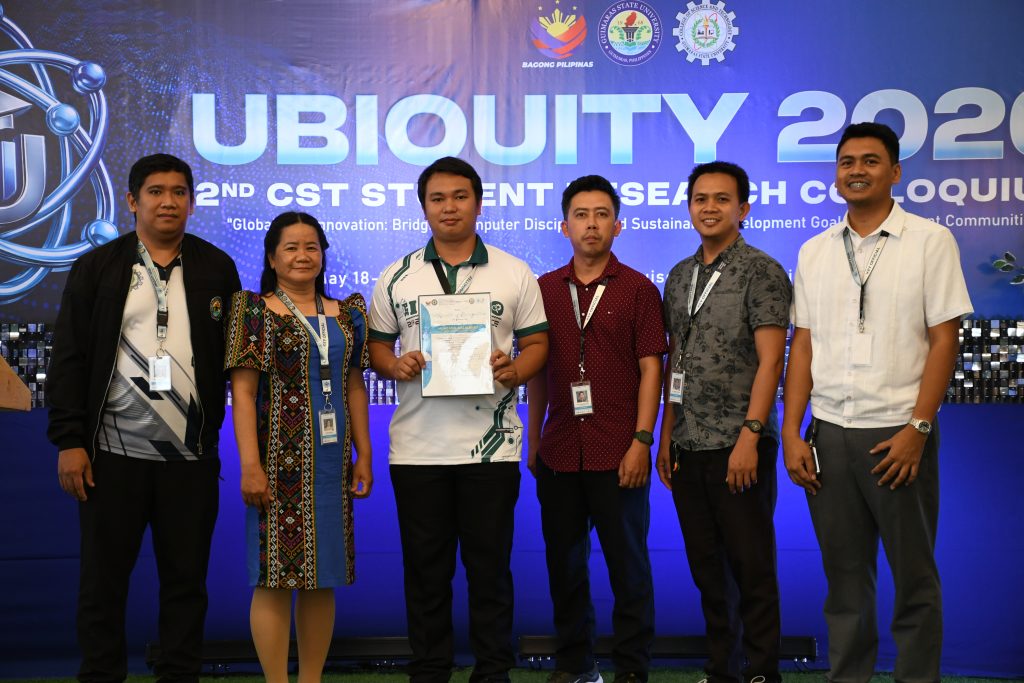
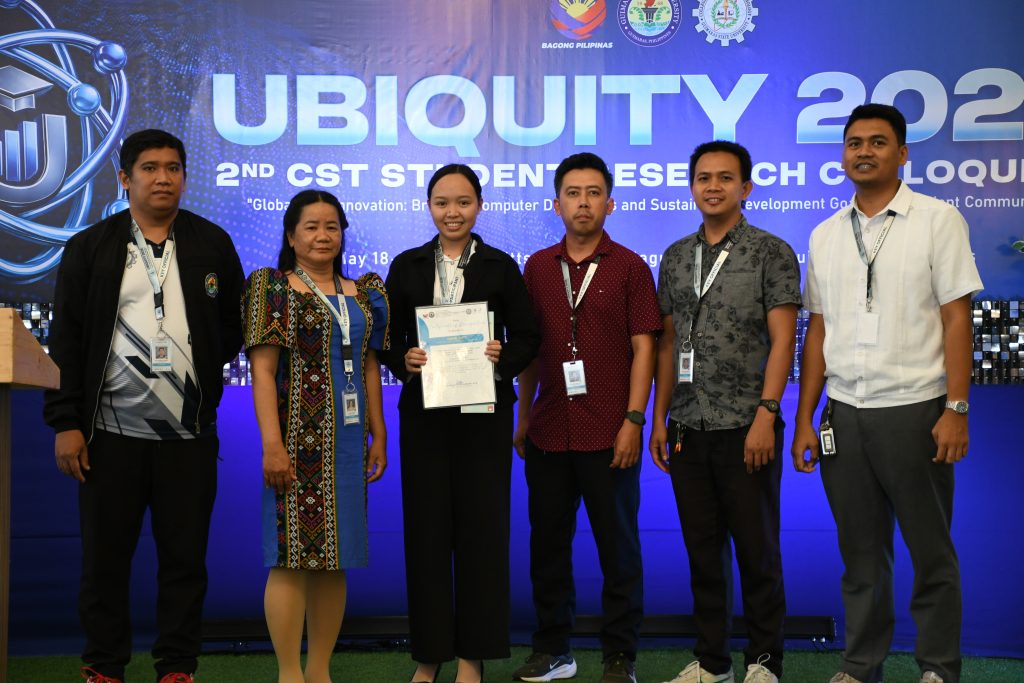
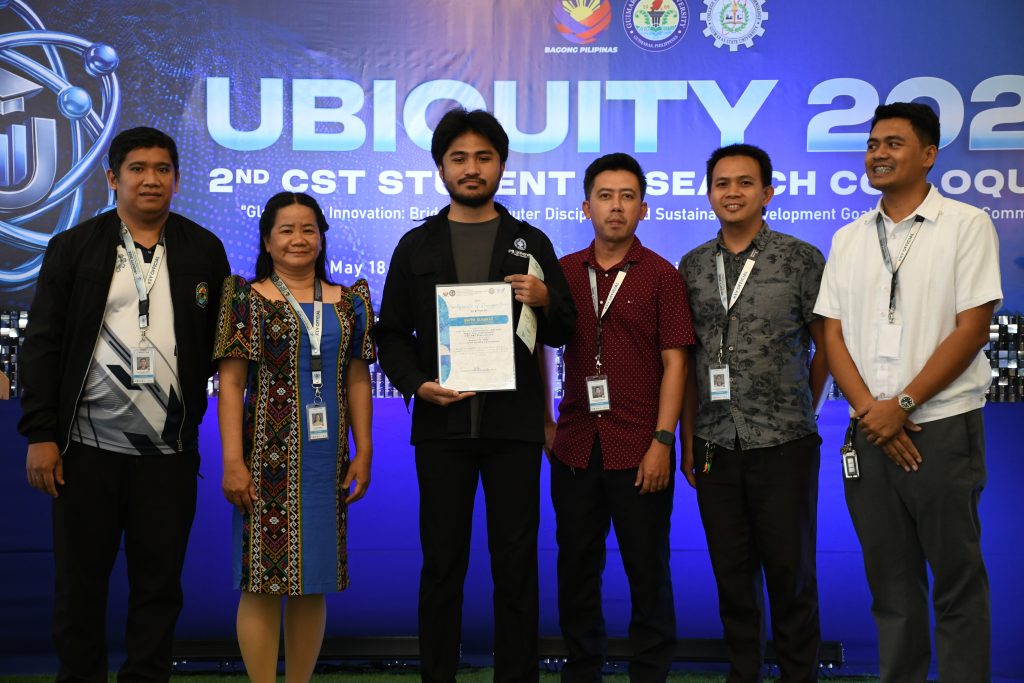
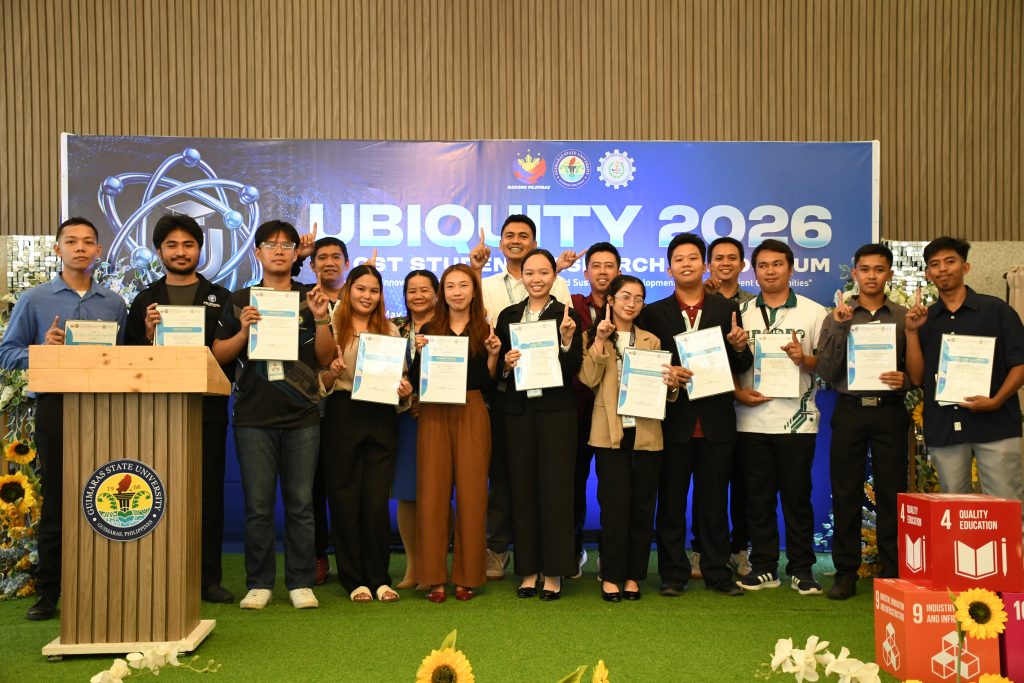
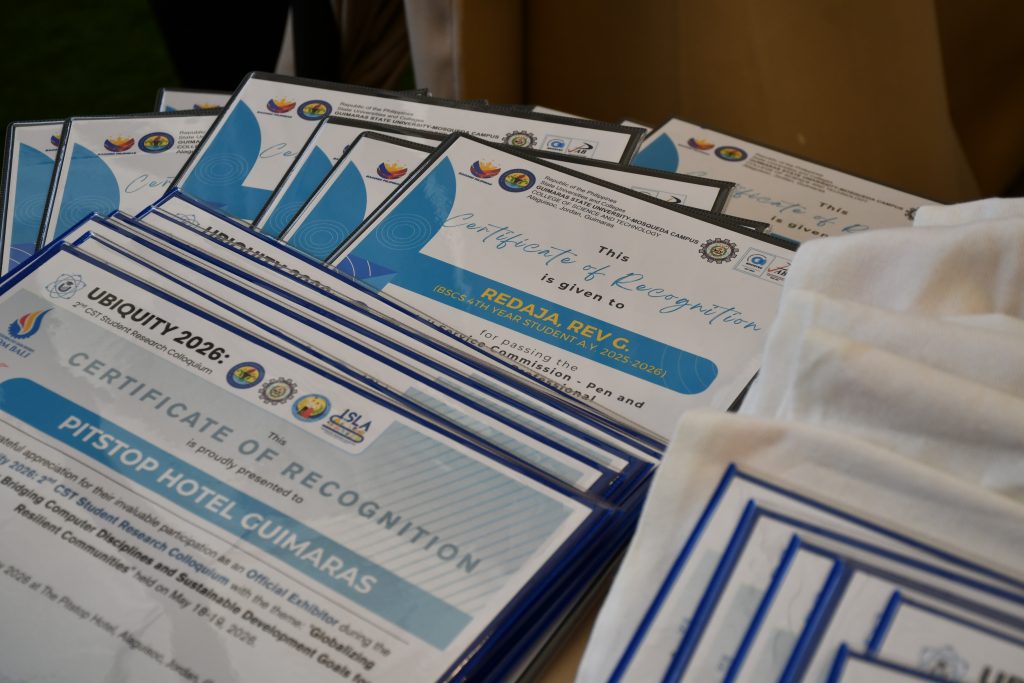
In recognition of academic excellence and professional achievement, the event also honored the CSE student and alumni passers.
Here are the results of the Ubiquity 2026:
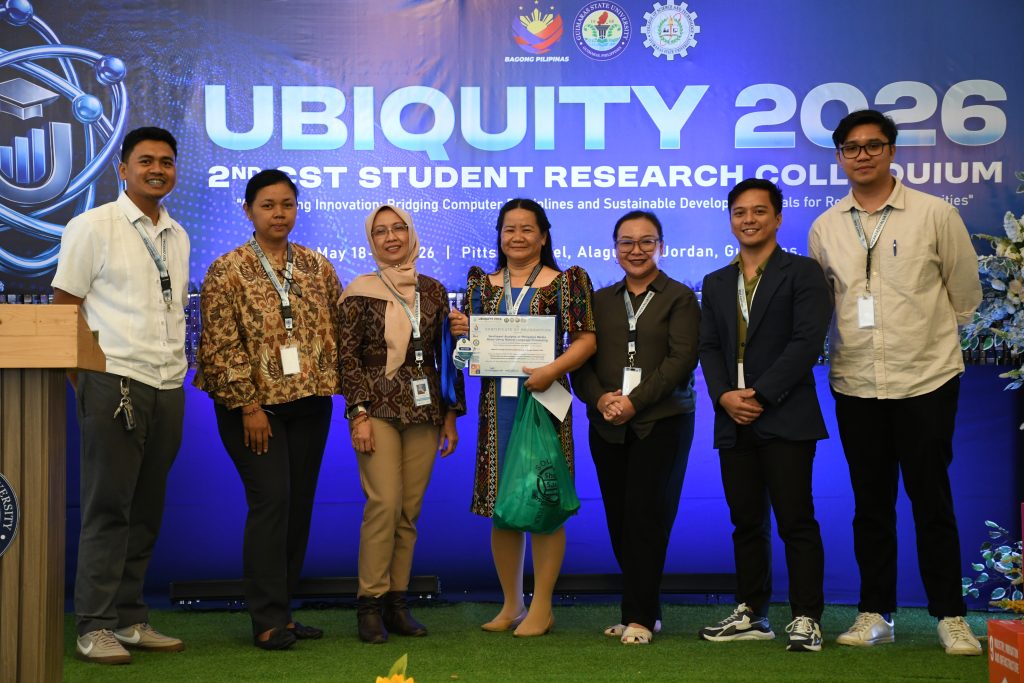
Best Paper (Natural Language Processing (NLP) & Large Language Models (LLM)): Sentiment Analysis of Philippine Media News Using Natural Language Processing authored by Jose Marie Lim,
Petter Retson Lenciano, and Justin Niño Edis
Best Presenter (Natural Language Processing (NLP) & Large Language Models (LLM)): JOSE MARIE LIM
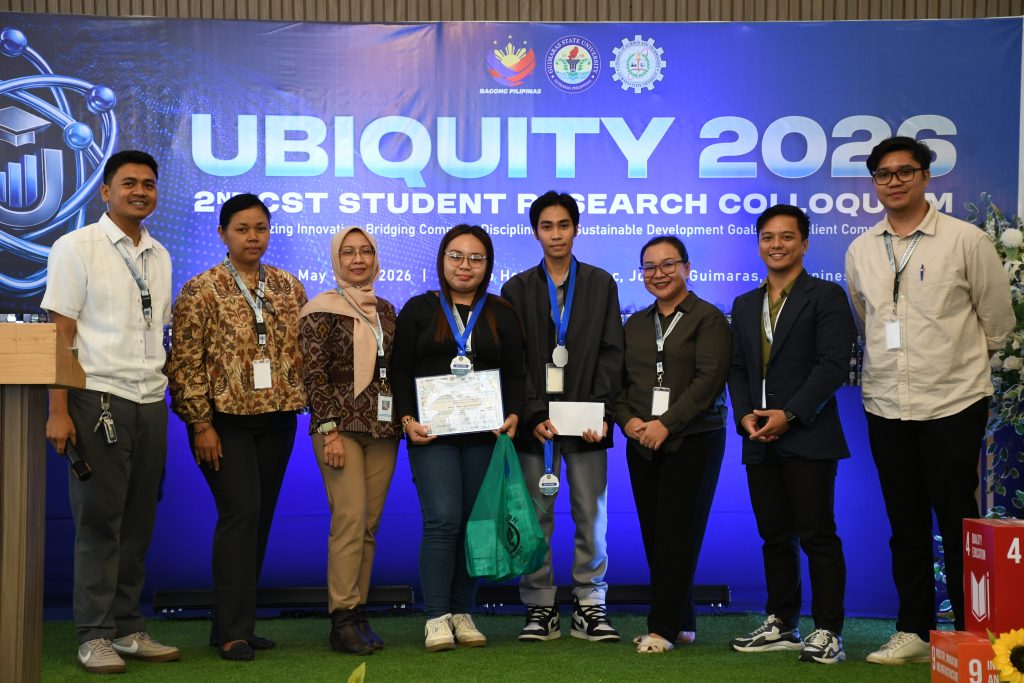
Best Paper (Predictive Analysis and Applied Machine Learning): OJT Connect: Mobile App for Seamless OJT Management with Performance Monitoring & Risk Flagging using Machine Learning authored by Felje N. Menor, Crystelle Julienne L. Nieves, and Rommel T. Llamas
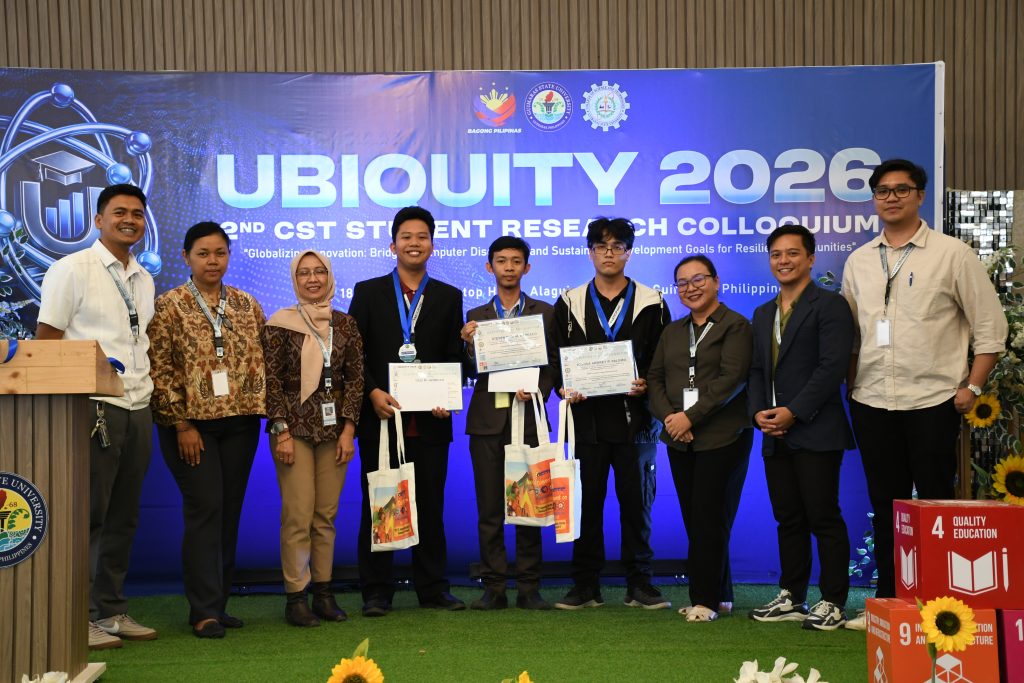
Best Presenter (Predictive Analysis and Applied Machine Learning): Joshua Andrey P. Palomo
Best Paper (Computer Vision, Deep Learning and Digital Media): Comparative Analysis of Deep Learning Architecture for Mango Flush Classifications authored by Steven Tsoi M. Haresco, Rosefer A. Sapio, Danica N. Gange, and Renz Christler G. Gagnao
Best Presenter (Computer Vision, Deep Learning and Digital Media): Steven Tsoi M. Haresco
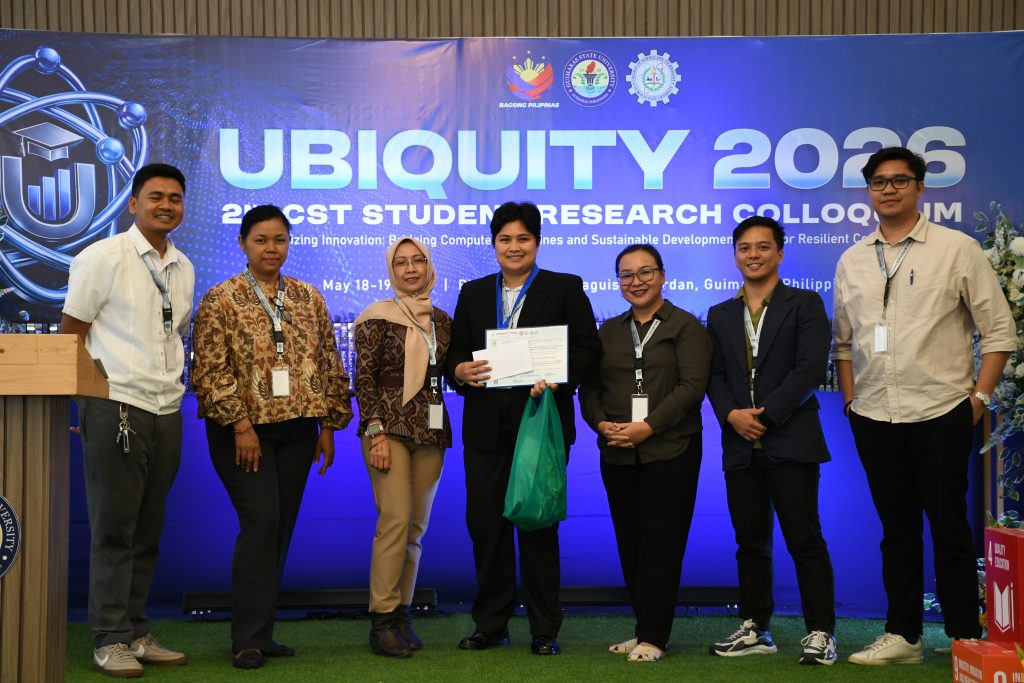
Best Paper (Geographic Information Systems (GIS) and Integrated Software System): Location- Based Analysis and Pattern Recognition of Crowdsourced Data for Solid Waste Management in Guimaras Island authored by Mary Grace M. Balogo, Leo Jhon L. Divinagracia, and Mark Anthony G. Azucena
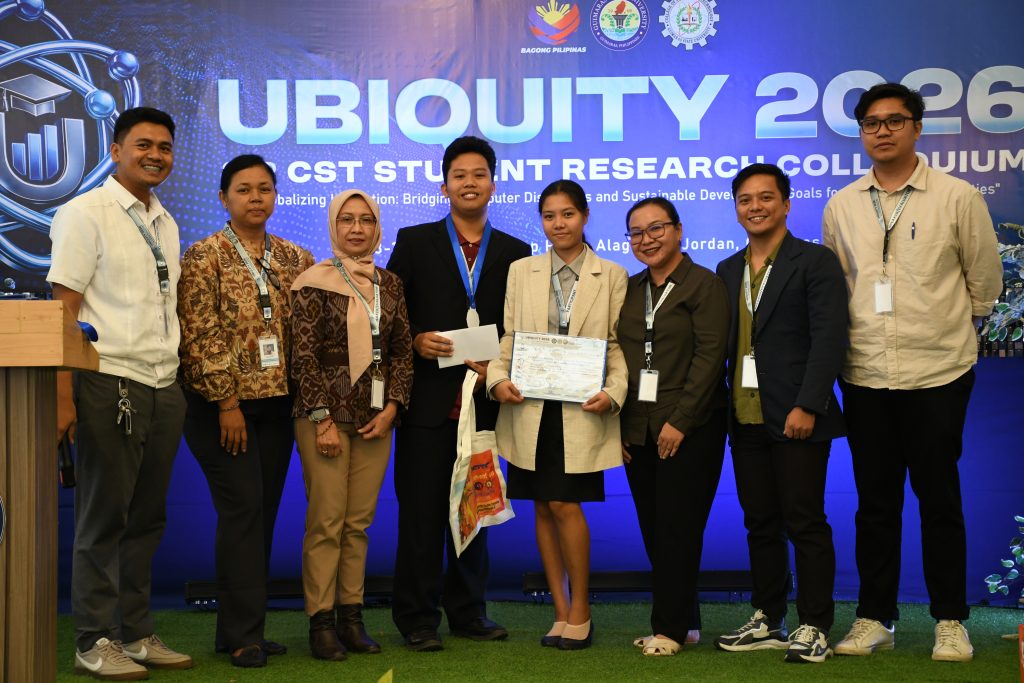
Best Presenter (Geographic Information Systems (GIS) and Integrated Software System): Deo M. Genisan
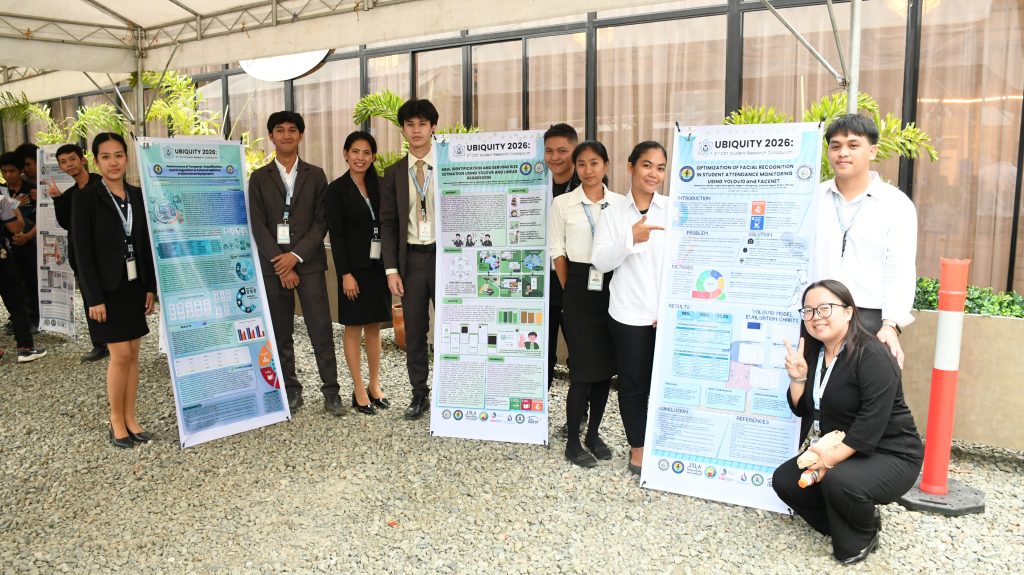
Best Poster: Care Card: Mobile Application for Special Sector Identification and Incident Management
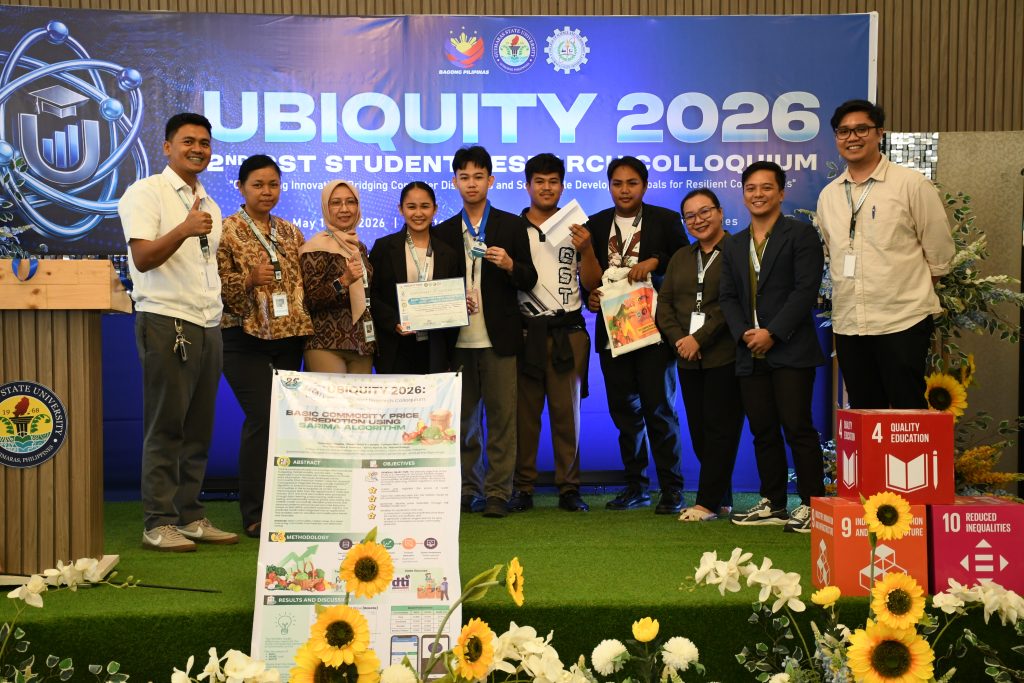
People’s Choice Poster: BASIC COMMODITY PRICE PREDICTION USING SARIMA ALGORITHM
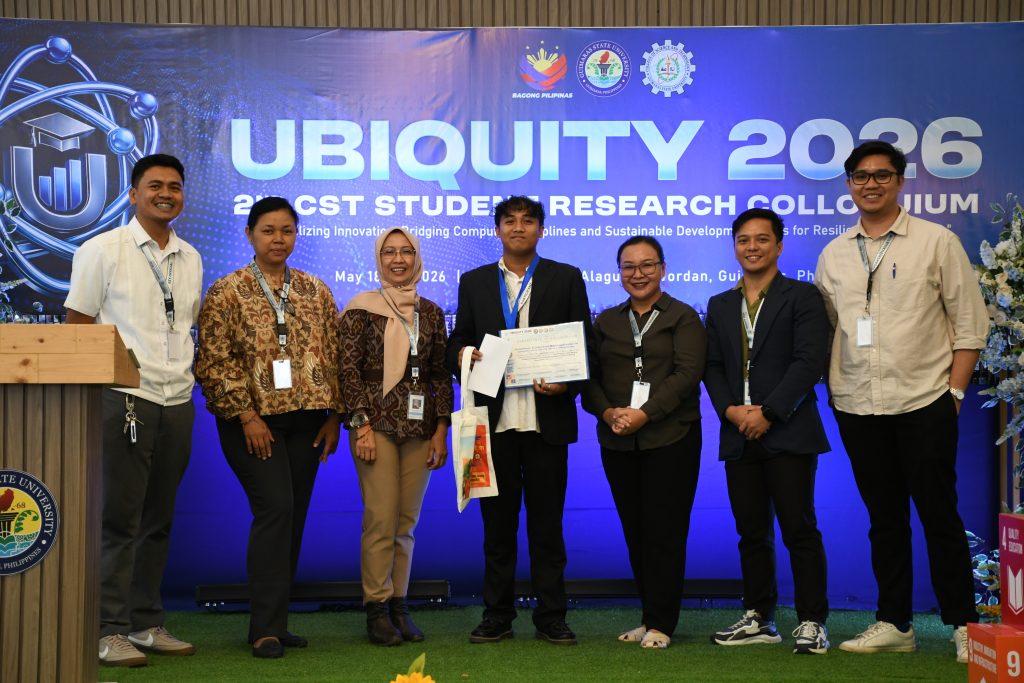
Most Innovative Study: VroomServe: A Centralized Mobile Application for Comprehensive Vehicle Service Management
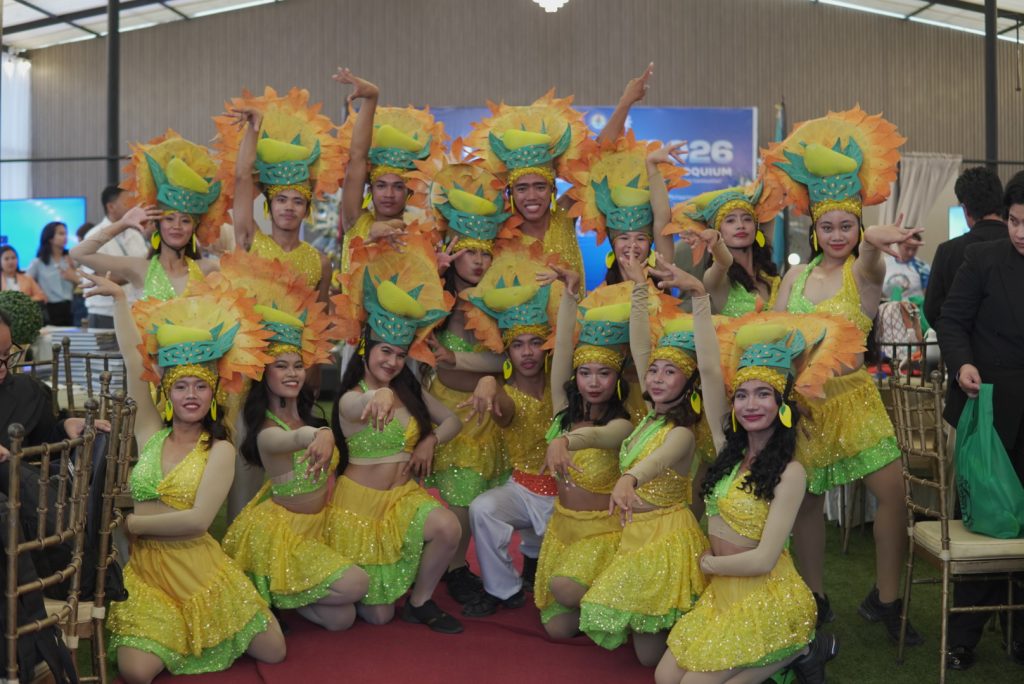
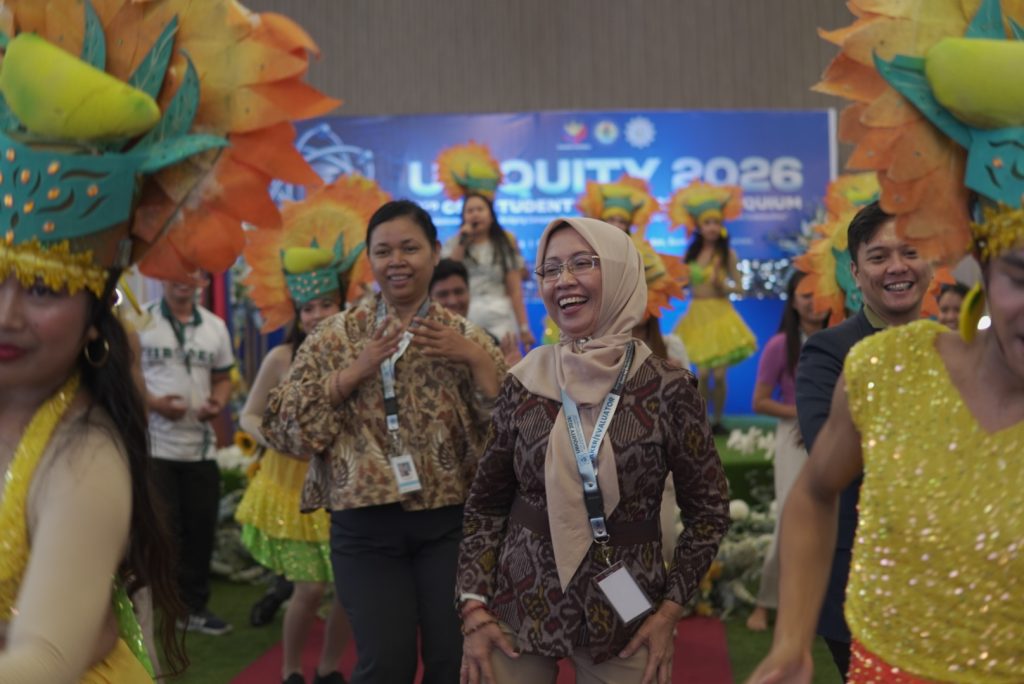
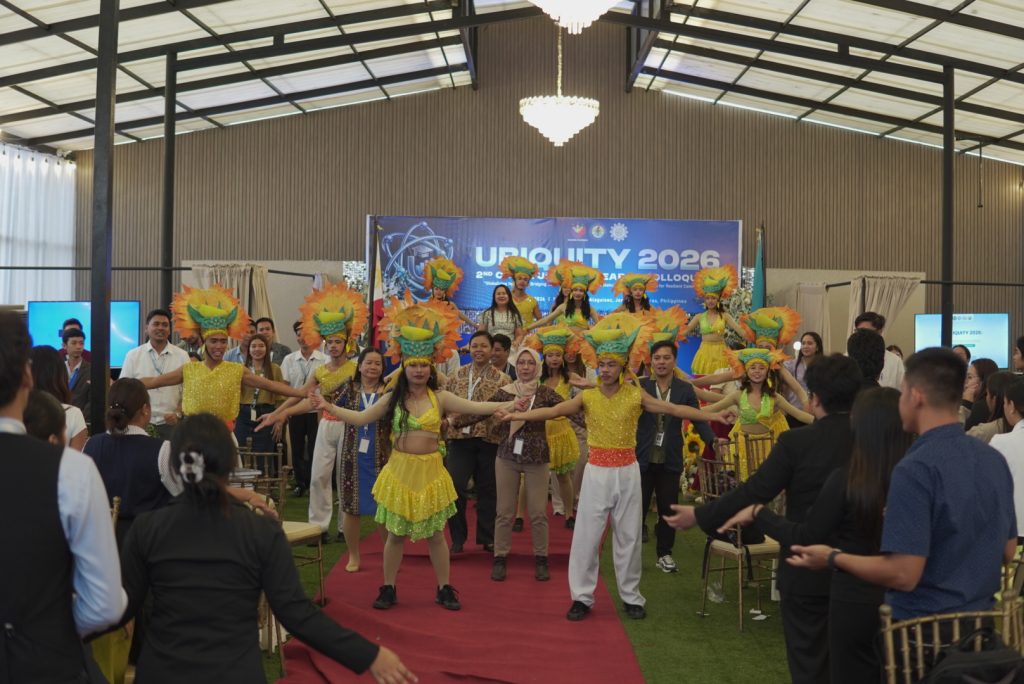
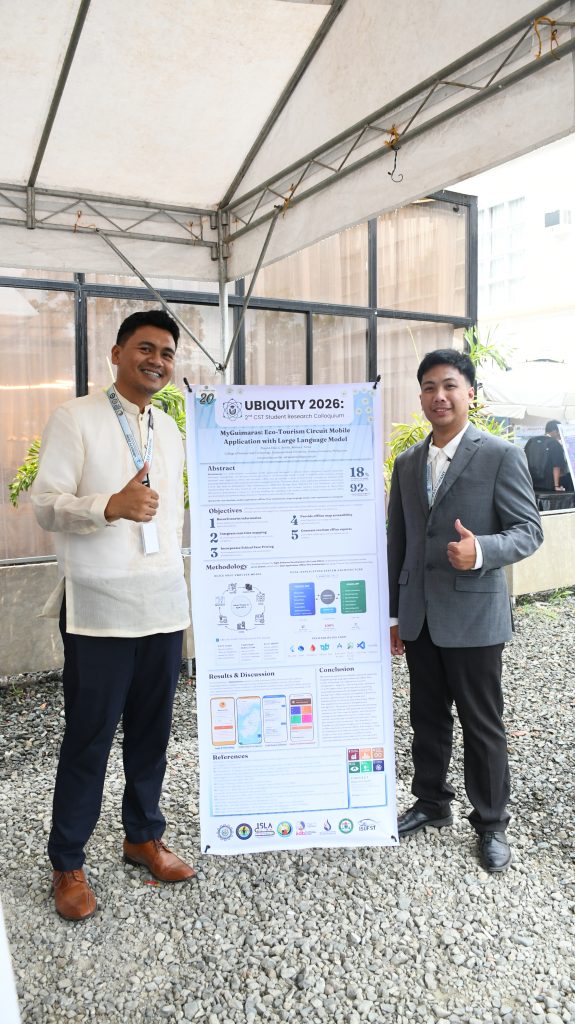
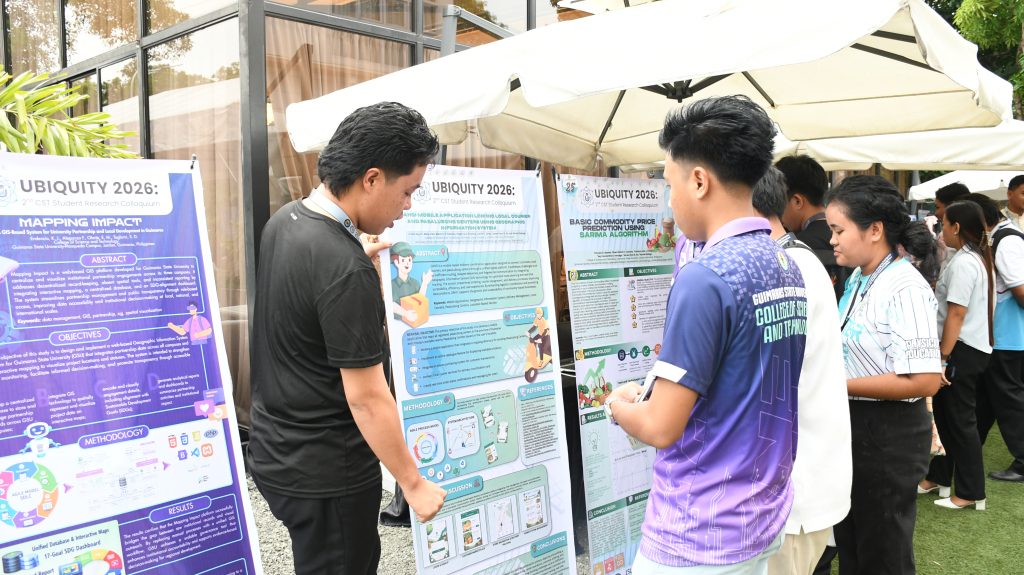
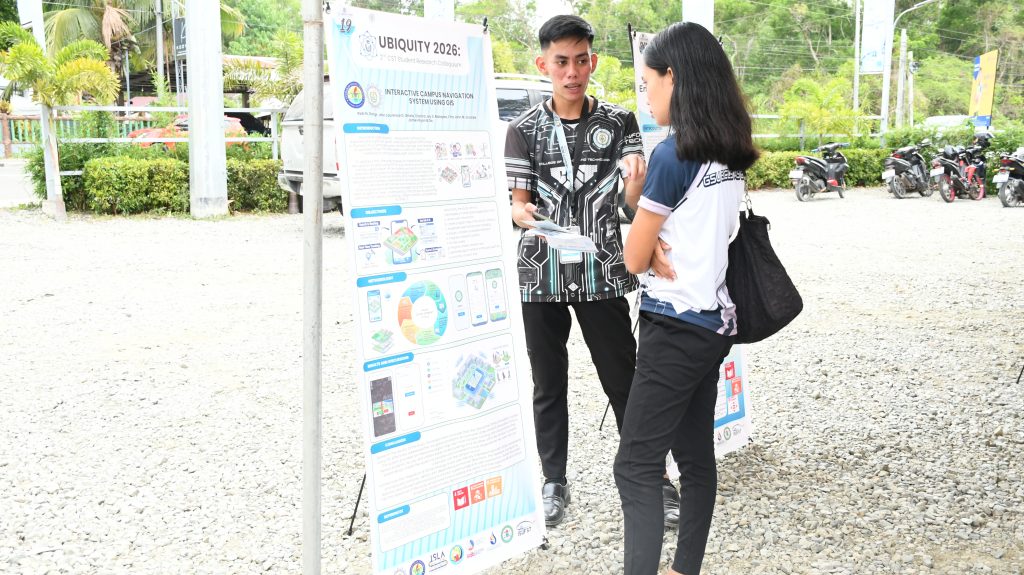
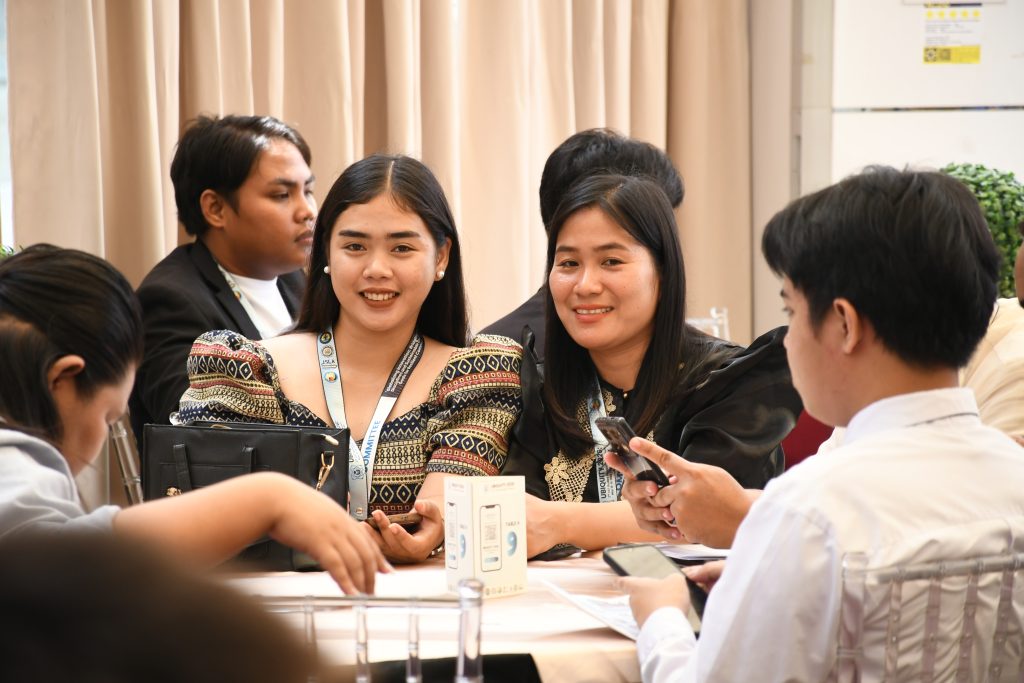
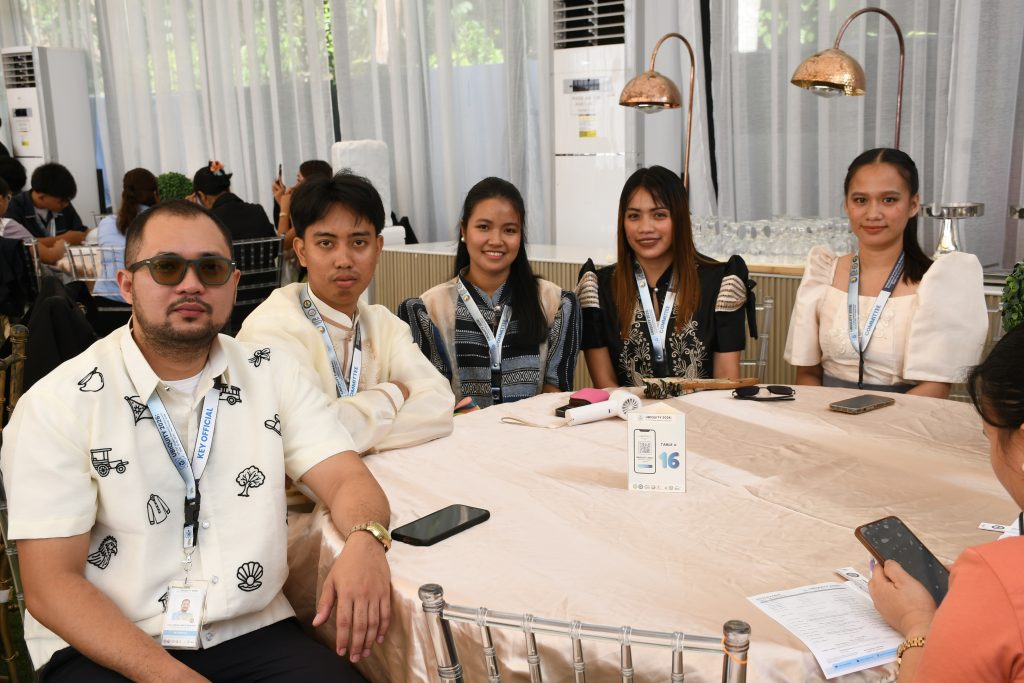
The successful two-day event concluded with a lively Unity Dance presented by the Taga Isla Dance Company, bringing together guests, evaluators, faculty members, and students in a joyful celebration of research, collaboration, culture, and innovation.
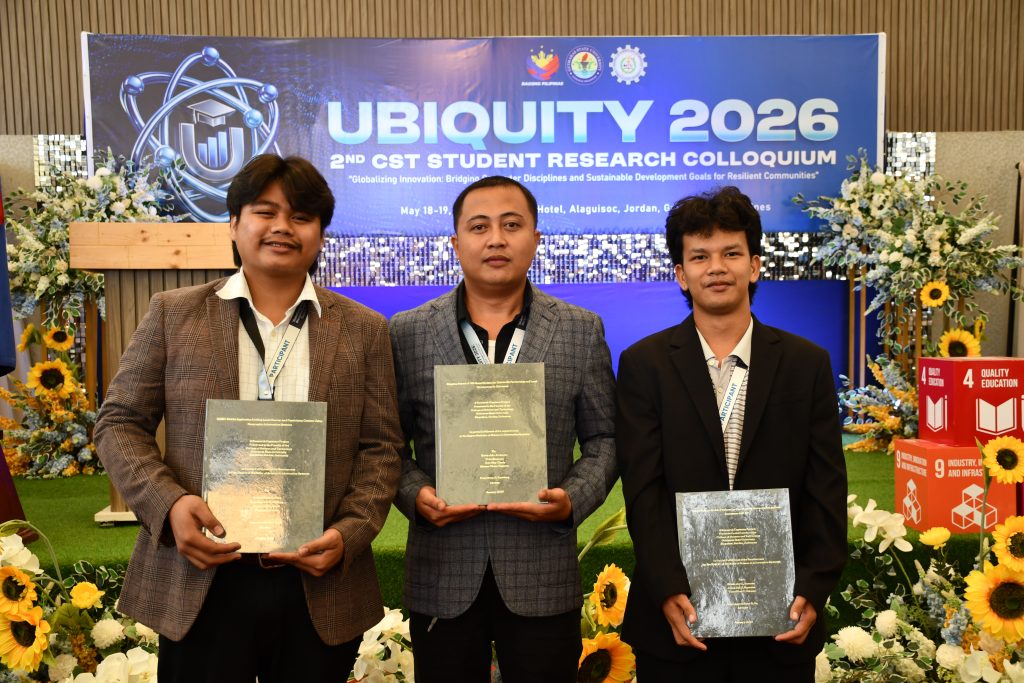
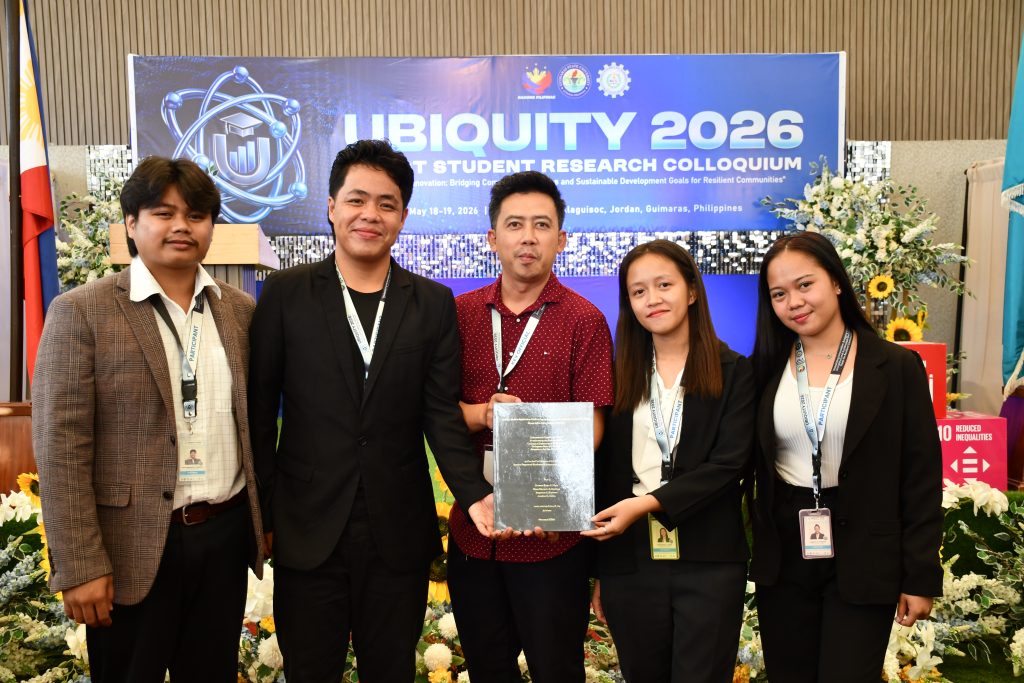
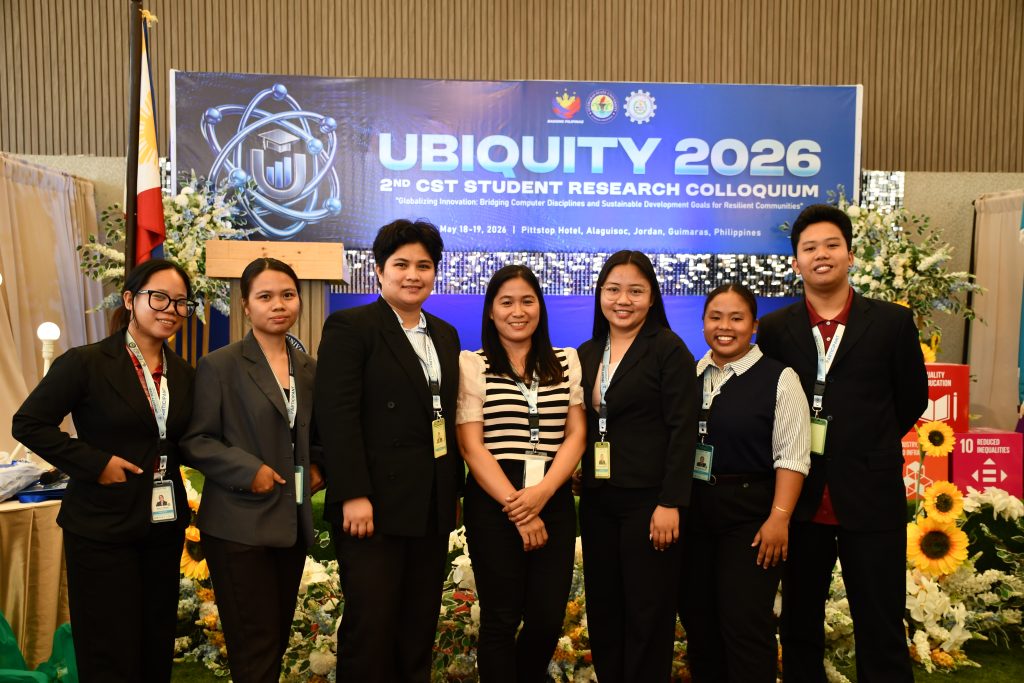
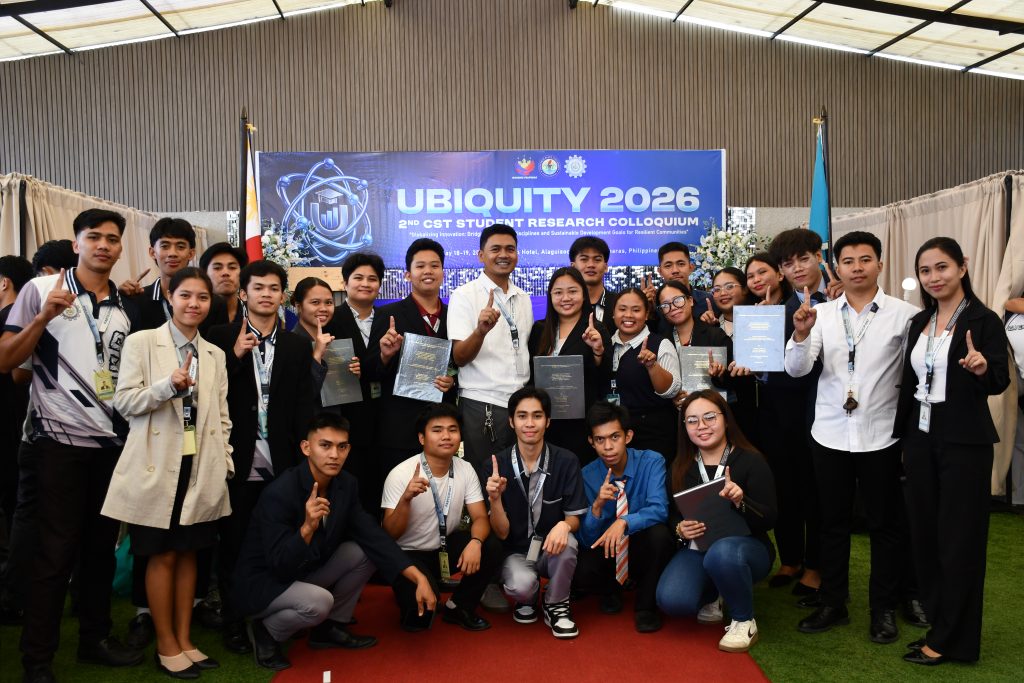
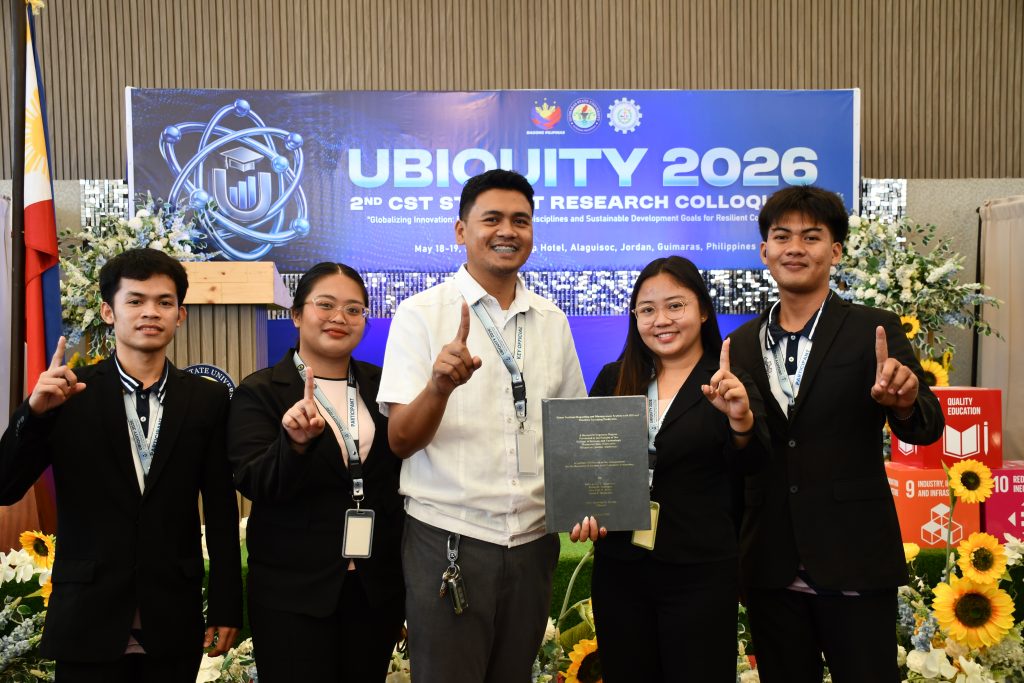
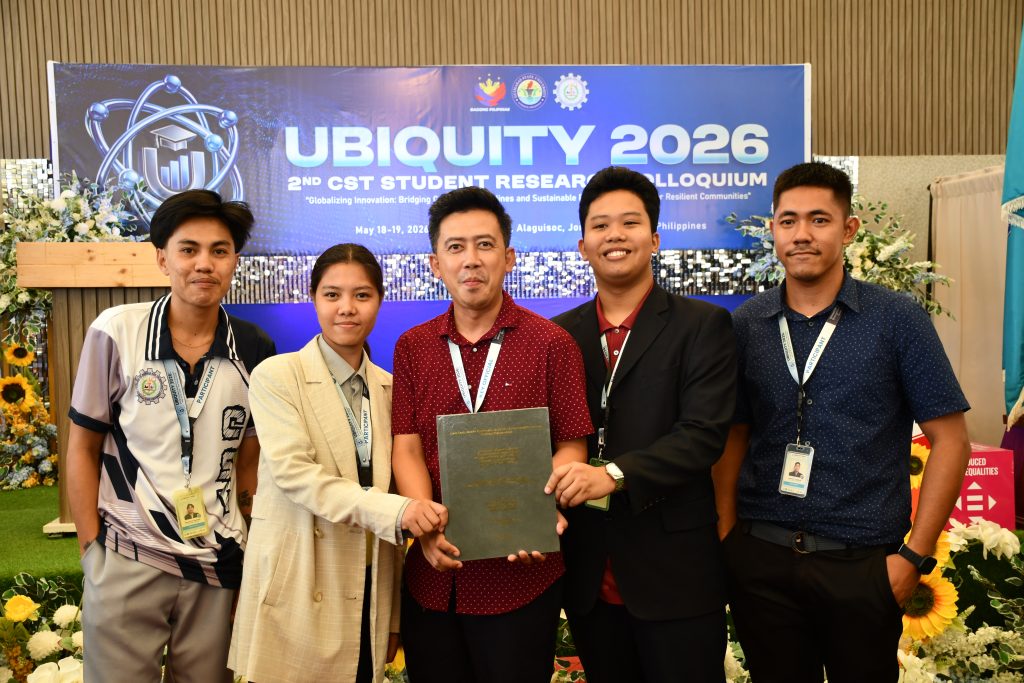
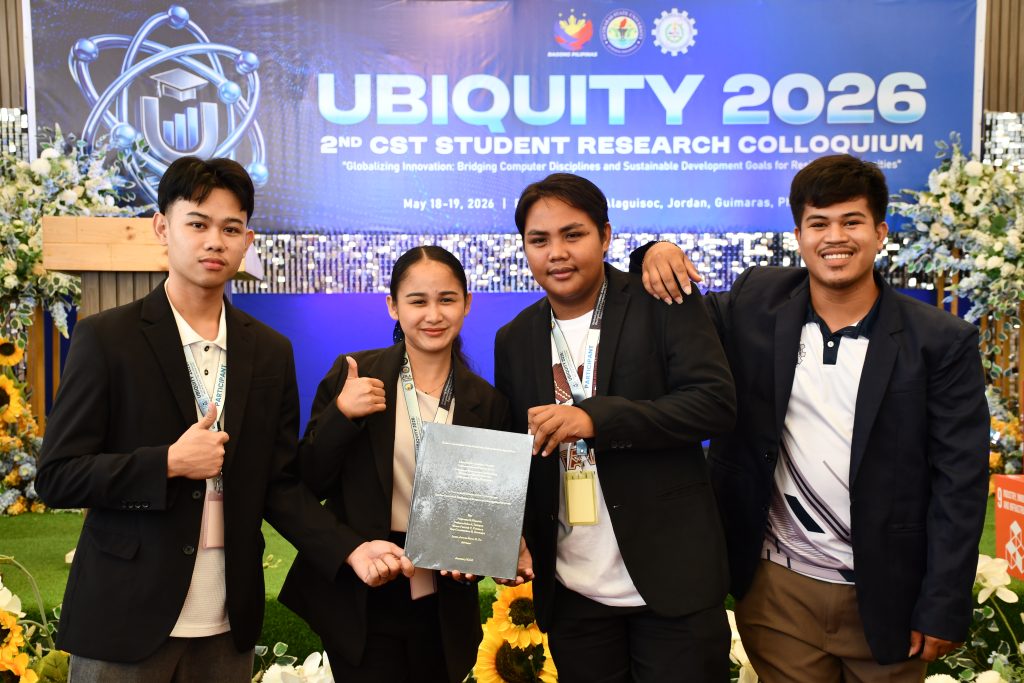
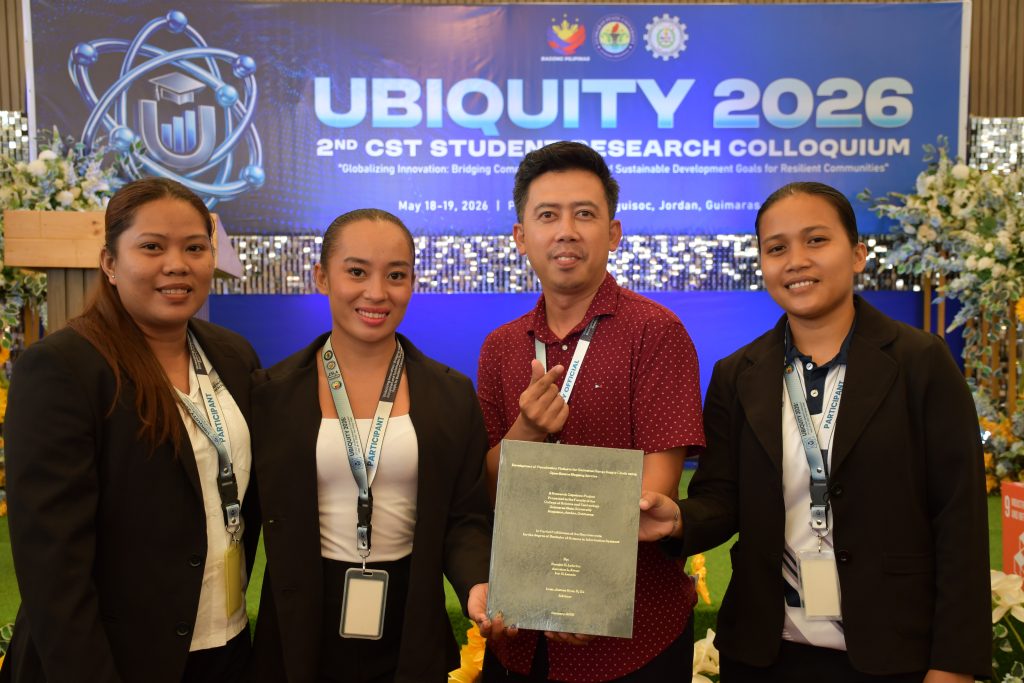
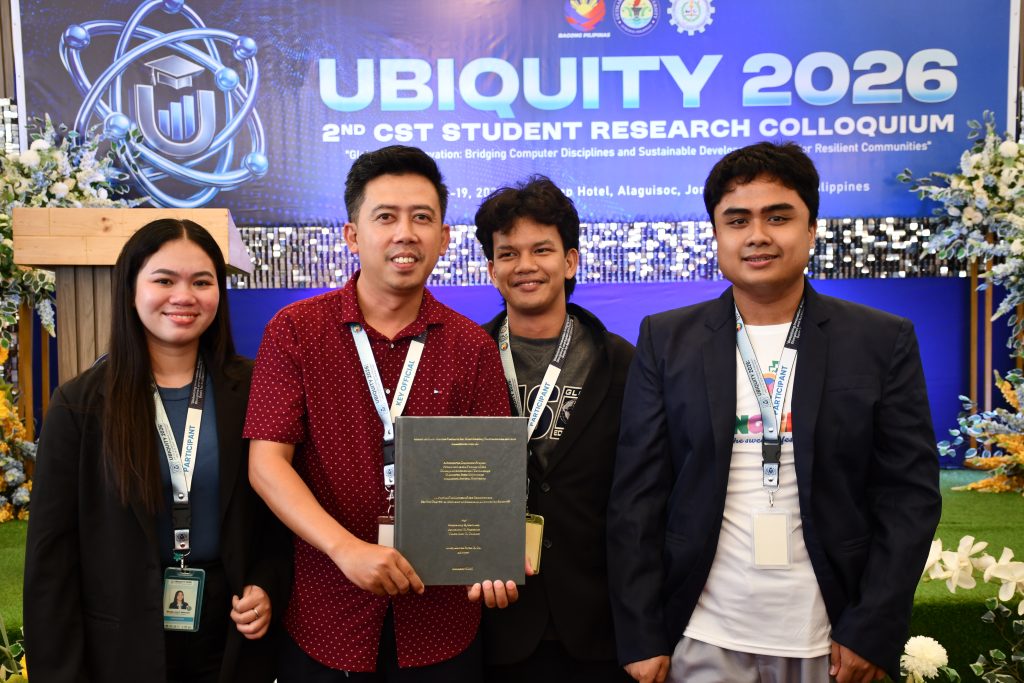
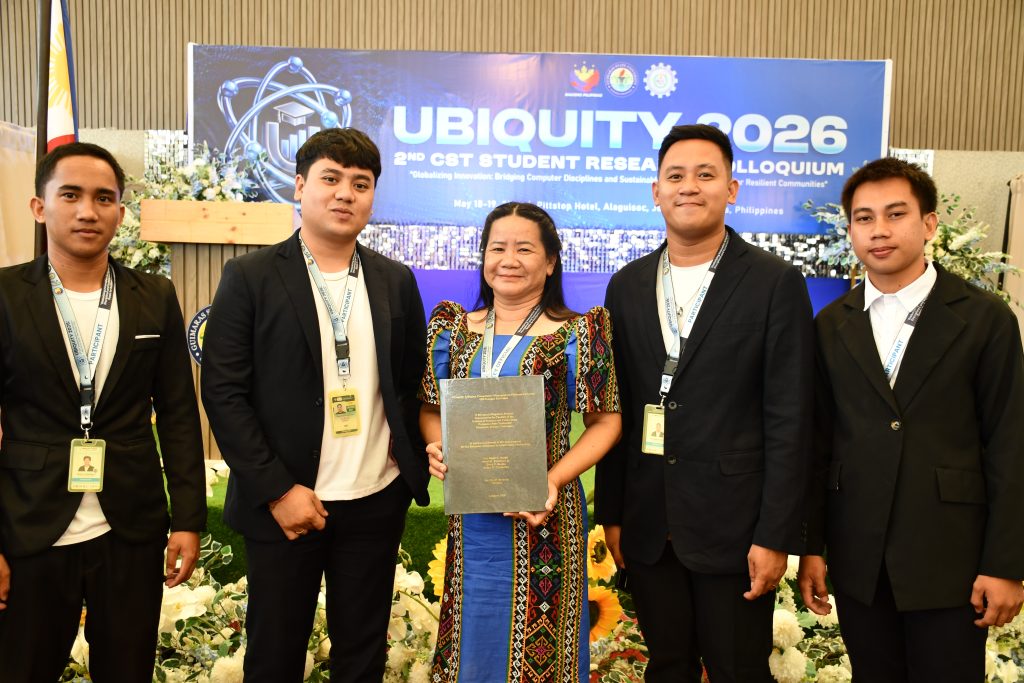
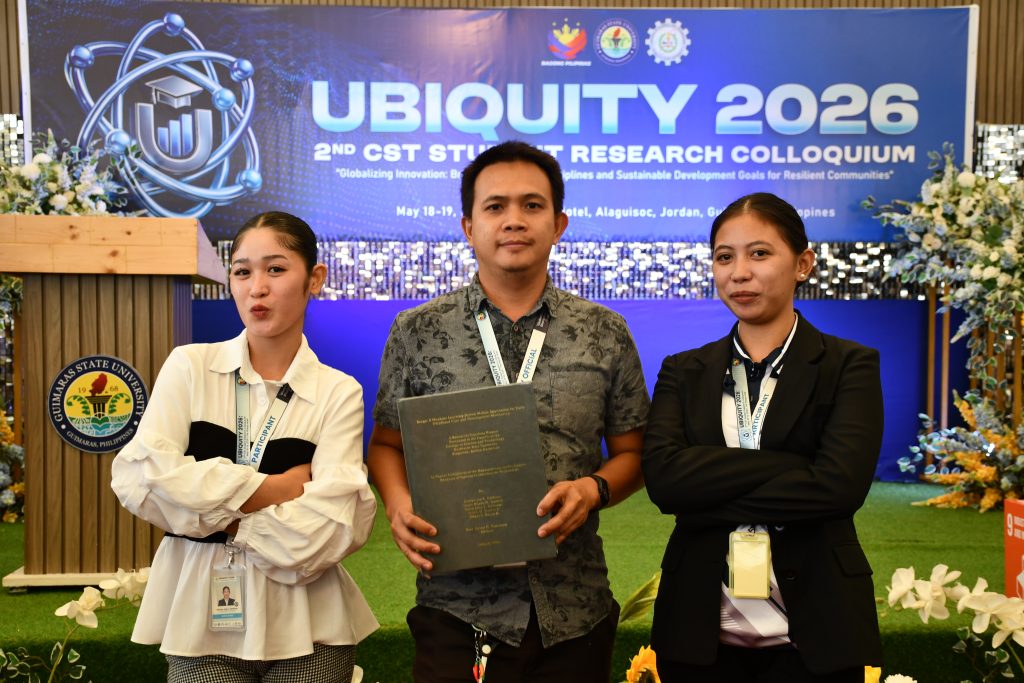
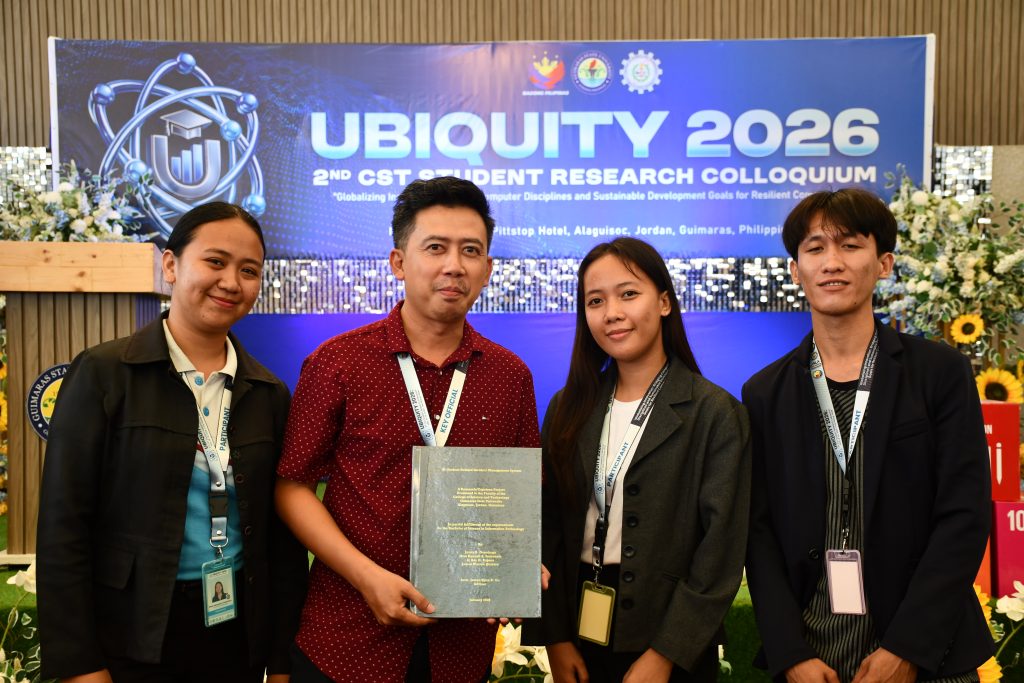
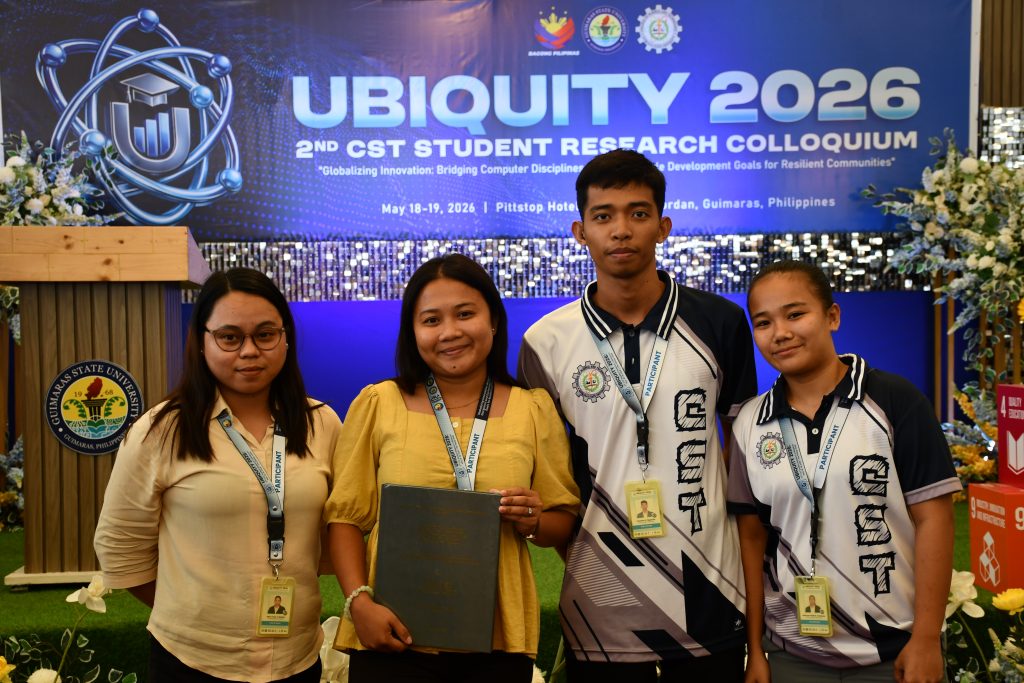
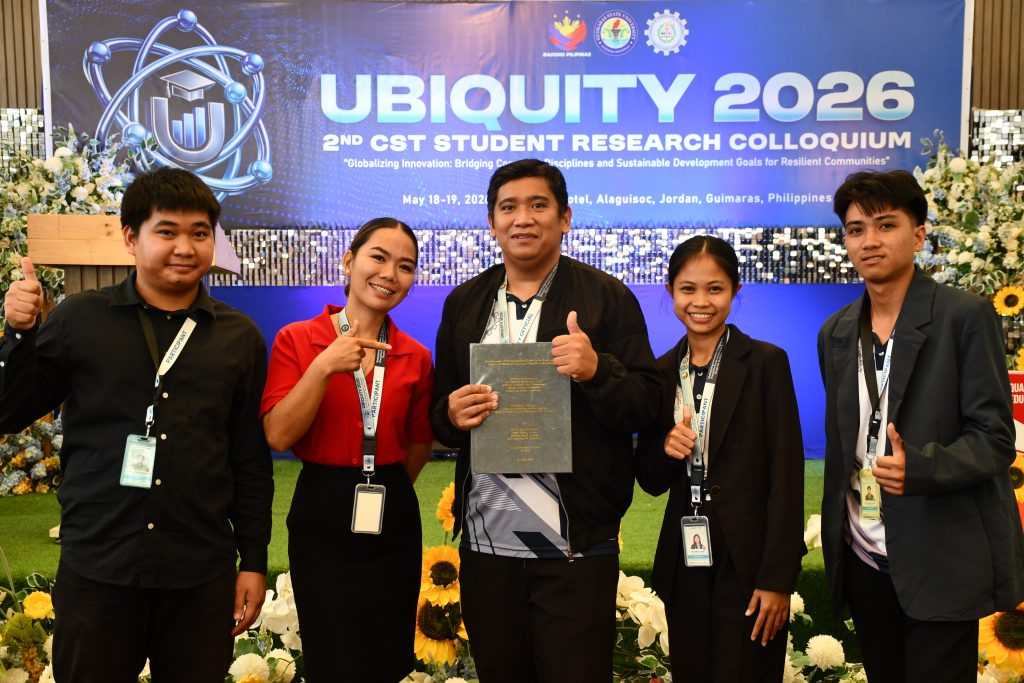
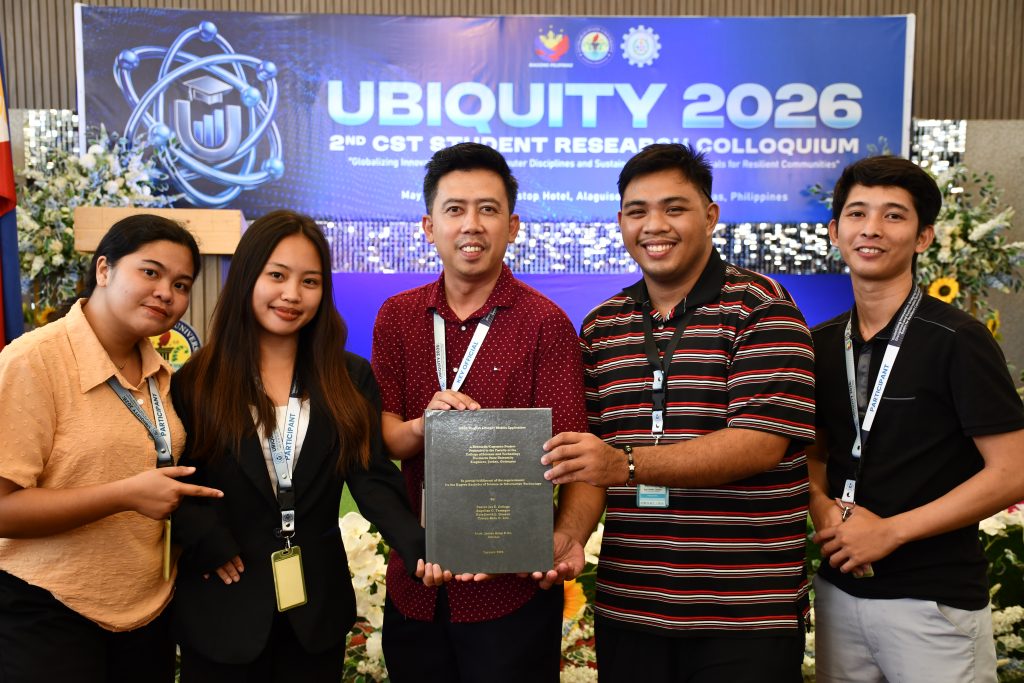
Through Ubiquity 2026, the College of Science and Technology once again demonstrated its commitment to fostering research excellence, global collaboration, and technology-driven solutions that contribute to resilient and sustainable communities.
This post was reviewed and cleared for posting by the University Information Unit with POST ID: SOC-260528-0129.